
Plants
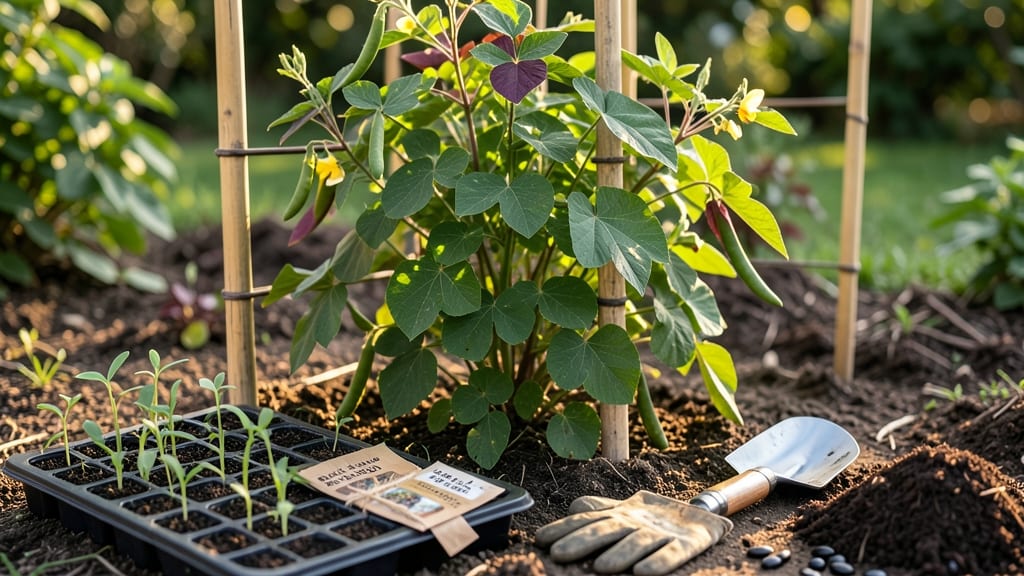
Timing your black-eyed pea 🌱 planting in Texas isn’t just about the calendar—it’s about avoiding the dreaded bolt. Plant too soon in North Texas’s chilly 8a-10b zones, and your peas will flower before you even get a harvest.
Too late, and the summer heat will turn your garden into a sad, wilty mess. Let’s cut through the guesswork and pinpoint the exact windows for zero-bolt success, whether you’re in Dallas or the Rio Grande Valley.
Texas gardeners know the stakes: a spring planting in late February or March gives you May-June harvests, while a fall planting in September-October delivers sweet pods by November-December. But here’s the catch—your location matters.
North Texas’ last frost lingers until mid-March, while South Texas can start as early as January. We’ll break down the heat-tolerant varieties that thrive in each region and how to tweak your schedule for peak flavor.
You’ve probably heard the horror stories: bolting peas that turn bitter or never produce. The secret? Soil temperature and shade management. I’ll show you how to prep your beds, choose the right seeds (like ‘Purple Hull’ or ‘Crowder’), and even salvage a struggling crop.
No more wasted seeds or empty vines—just a steady supply of fresh, tender peas straight from your Texas garden.
Ready to master the art of Texas black-eyed pea planting? By the end of this guide, you’ll know not just when to plant, but how to keep your peas happy until harvest. Let’s get growing!
Optimal black eyed pea planting windows in Texas by region (avoid bolting)
Texas’s diverse climate zones mean your black-eyed peas need different planting strategies. North Texas gardeners face cooler winters, while South Texas enjoys longer frost-free seasons.
The key? Plant when soil temps hit 60°F+ and avoid late spring heat, which triggers bolting—when plants flower too early and stop producing pods.
For North Texas (USDA Zones 8a-8b), aim for late February to early March for spring plantings. This gives your peas 60-75 days to mature before summer heat sets in.
If you prefer fall harvests, plant mid-September to early October to avoid early frost. South Texas (Zones 9a-10b) has more flexibility—plant January-February for spring or September-October for fall harvests.
Central Texas (Zone 8a) blends both approaches: March for spring and September for fall. Always check your last frost date (North: Feb 15-Mar 15; South: Jan 15-Feb 10) to time plantings perfectly.
Pro tip: Use row covers for early spring plantings to protect tender seedlings from late frosts.
🌱 Texas Black Eyed Pea Planting Calendar
| Region | Spring Planting | Fall Planting | Soil Temp Goal | Days to Harvest |
|---|---|---|---|---|
| North Texas | Late Feb - Early Mar | Mid Sep - Early Oct | 60°F+ | 60-75 days |
| Central Texas | March | September | 60°F+ | 60-75 days |
| South Texas | January-February | September-October | 65°F+ | 55-70 days |
⚠️ Note: South Texas can plant earlier due to warmer soils. Always test soil with a thermometer!
Texas’s summer heat (often exceeding 90°F) can stress black-eyed peas, so fall plantings are often more reliable. If you must plant in summer, choose shade-tolerant varieties like ‘Purple Hull’ and provide afternoon shade with row covers or nearby plants like sunflowers.
Mulch heavily with straw or wood chips to retain moisture and cool roots.
For container gardening in urban areas, use 5-gallon pots with well-draining soil and plant 2-3 seeds per container. Containers warm up faster, so adjust planting dates 2-3 weeks earlier than ground plantings. Place pots in full sun and water daily during heatwaves to prevent wilting.
Soil prep is critical: Black-eyed peas thrive in sandy loam with a pH of 5.8-7.0. Work in 2-3 inches of compost before planting and side-dress with aged manure at the 4-week mark.
Avoid fresh manure, which can burn roots. In clay-heavy soils (common in East Texas), mix in perlite or vermiculite to improve drainage.
If you’re new to growing black-eyed peas, start with ‘Crowder’ or ‘Mississippi Silver’—both are drought-tolerant and produce well in Texas heat. For a longer harvest window, succession plant every 2 weeks in spring and fall.
Just remember: Consistency is key—these peas hate fluctuating temperatures, so avoid planting during unpredictable weather shifts.
My biggest mistake? Planting black-eyed peas in early April without shade—my pods bolted within 3 weeks! Since then, I’ve shifted to September plantings for foolproof harvests. Now, I get plump pods from November to December, just in time for holiday meals.
For extra insurance, harden off seedlings for 7-10 days before transplanting. Place them in partial shade during the day and bring them in at night to acclimate to outdoor conditions. This reduces transplant shock and gives your peas a stronger start in Texas’s variable spring weather.
Optimal black eyed pea planting windows in Texas by region (avoid bolting)
Texas stretches from USDA Zone 8a in the Panhandle to Zone 10b near the Gulf Coast, meaning your black-eyed pea planting schedule should match your region.
North Texas gardeners should wait until late February to early March to avoid frost damage, while South Texas can start as early as January—but only if soil temperatures stay above 60°F. The key is planting when daytime temps consistently hit 70°F+ and nights stay above 55°F.
For spring harvests, aim to plant 4-6 weeks before your last frost date. In North Texas, that’s February 15-March 15; in Central Texas, March 1-15; and in South Texas, January 15-February 10.
Fall plantings should happen 80-90 days before your first frost, typically September-October for most regions. Miss these windows, and you’ll either face bolting or stunted growth.
🌱 Pro Tip: Use a soil thermometer to confirm temps—black-eyed peas won’t germinate well below 60°F. If your soil is cold, wait or use black plastic mulch to warm it faster.
| Region | Spring Planting Window | Fall Planting Window | Last Frost Date | First Frost Date |
|---|---|---|---|---|
| North Texas (8a-9a) | Late Feb - Early Mar | Sep 15 - Oct 15 | Feb 15 - Mar 15 | Nov 15 - Dec 15 |
| Central Texas (8b-9b) | Mar 1 - Mar 15 | Sep 1 - Sep 30 | Feb 28 - Mar 10 | Nov 1 - Dec 1 |
| South Texas (9a-10b) | Jan 15 - Feb 10 | Aug 15 - Sep 15 | Jan 15 - Feb 10 | Dec 1 - Jan 15 |
Once planted, black-eyed peas need 6-8 hours of sun daily and consistent moisture—especially in Texas’ brutal summer heat. If you’re in North Texas and plant in early March, expect harvests by May-June.
For fall plantings, South Texas gardeners can enjoy peas until December, while North Texas wraps up by November. The trick? Succession planting every 2 weeks for a continuous harvest.
💧 Watering Hack: Use drip irrigation or soaker hoses to keep soil evenly moist. Black-eyed peas hate dry spells, which trigger bolting faster than cold soil. Mulch with straw or grass clippings to retain moisture and regulate temps.
Don’t overlook soil prep—amend beds with compost or aged manure before planting. Black-eyed peas thrive in well-draining, slightly acidic soil (pH 6.0-6.8). If your soil is heavy clay (common in East Texas), mix in sand or perlite to improve drainage.
With the right timing and soil, you’ll go from seed to harvest in just 60-75 days—no bolting in sight!