
Plants
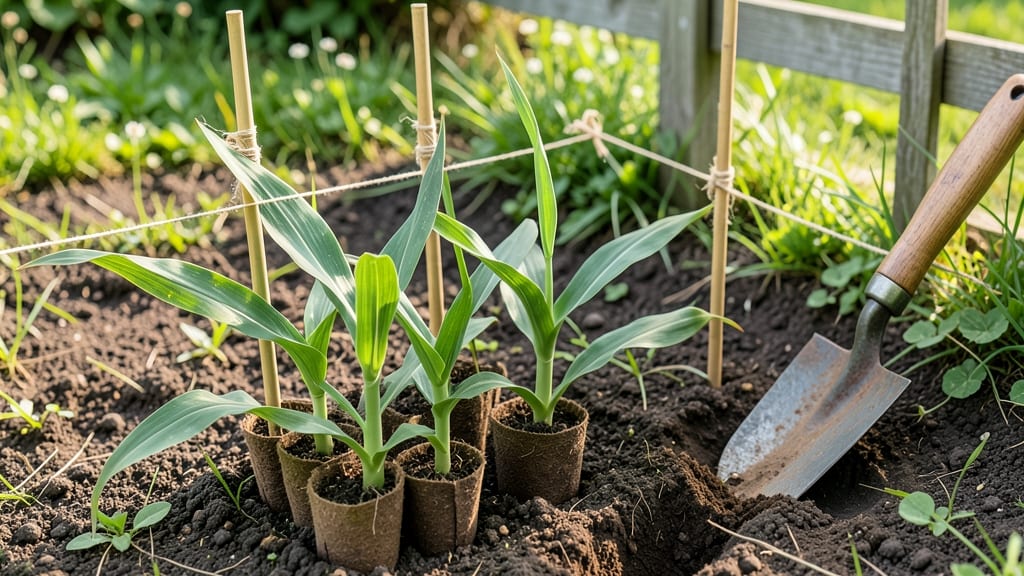
Timing your 🌽 corn planting in East Texas isn’t just about avoiding frost—it’s about catching that sweet spot between soil warmth and summer’s relentless heat. Plant too early, and a late freeze could turn your tender seedlings into sad, wilted memories.
Too late, and you’ll be racing against 100°F+ afternoons before your ears even form.
Here’s the secret: East Texas’ 8a zone gives you a narrow window—typically mid-April to early May—but your exact microclimate (shady spot? clay soil?) can shift those dates by weeks.
I’ll show you how to read your soil’s temperature cues and adjust for your specific corner of the region, so you’re planting when the ground is 60°F+ and ready to roll.
Why does this matter? Because 90-day corn varieties need every warm day to mature, and missing that window means smaller ears or—worse—no harvest at all.
We’ll also cover how to stretch your season with mulch or row covers if Mother Nature throws a curveball, because even the best-laid plans need backup.
Let’s cut to the chase: with these microclimate-smart strategies, you’ll know exactly when to drop those seeds for ears that rival the ones at your local farmers’ market. Ready to plant with confidence?
Optimal East Texas corn planting dates by microclimate zone
East Texas spans USDA Zone 8a, but microclimates create dramatic differences in frost risk and soil warmth. Tyler and Longview typically enjoy 200 frost-free days, while areas near the Louisiana border can stretch that to 220 days.
The key? Planting when soil hits 60°F and nighttime lows stay above 50°F consistently.
For most of East Texas, mid-April to early May is your sweet spot. This window balances frost risk and summer heat. But don't guess—use a soil thermometer to confirm warmth before planting.
Areas like Tyler and Lufkin can sometimes plant 2-3 weeks earlier than Sherman or Mount Pleasant due to warmer microclimates.
Here’s how to break it down by your specific location:
Pro tip: Plant early varieties first (like Silver Queen) to hedge against late frosts. If you’re in a cooler pocket, use black plastic mulch to warm soil 2-3 weeks faster than bare ground. This trick lets you plant 10-14 days earlier without frost risk.
For sweet corn, aim for a 90-day maturity to harvest before East Texas’ humidity peaks in August. Late varieties (like Pioneer 39T33) can handle the heat but may struggle with ear rot if rains persist. Always stagger plantings every 2 weeks for a continuous harvest.
Remember: Soil temperature matters more than air temperature. A 60°F soil is your magic number—corn seeds won’t germinate reliably below 55°F. Use a minimum-maximum thermometer buried 2 inches deep to track progress. If nights dip below 50°F, protect seedlings with row covers or frost cloth.
East Texas’ summer heat arrives fast. By June 1, daytime temps often hit 95°F+, which stresses corn. That’s why late May is your absolute deadline for planting—any later, and you’ll face drought stress or poor ear fill. Plan accordingly!
For dwarf varieties (like Bodacious), you can push planting to early June in sheltered microclimates, but expect smaller ears. These work best for fall harvests if you’re okay with 80-day maturity instead of the usual 90+ days.
Finally, succession planting is non-negotiable. East Texas’ short growing season demands it. Plant 3 successive batches every 2 weeks to enjoy fresh corn from July through September. This strategy also reduces the risk of total crop failure if one batch struggles.
How to adjust planting dates for East Texas’ unique weather patterns
East Texas’ weather is famously unpredictable, with late frosts sneaking in as late as April 15 and 90°F+ heat arriving by June.
If you’ve ever watched your corn seedlings turn to mush after a 30°F dip or seen ears shrivel under humidity stress, you know why flexibility matters. The key? Real-time adjustments based on soil temperature and NOAA forecasts—not just calendar dates.
Start by checking your soil temperature with a soil thermometer (or your elbow—if it’s too cold to stick your arm in, it’s too cold to plant). Corn roots need 60°F+ soil to germinate, and East Texas’ clay-heavy soils warm up slower than sandy areas.
In wooded microclimates, wait 10–14 days longer than open fields.
⚠️ Watch for These Red Flags
- Frost warnings after April 1: Delay planting until soil hits 60°F (even if skies clear).
- Heavy rains softening soil: Wait 3–5 days for crusting to dry—seeds need good contact with warm earth.
- Sudden heat spikes (>90°F): If planting late May, prioritize shade-tolerant varieties like ‘Peaches and Cream’.
Pro tip: Use black plastic mulch to warm soil 5–10°F faster in cooler pockets.
For raised beds, you can plant 2–3 weeks earlier because they warm up faster. Amend beds with compost to improve drainage—East Texas’ clay soils can suffocate roots if waterlogged. If a late frost threatens, cover seedlings with row fabric (remove by 10 AM to avoid overheating).
Another trick? Plant successive batches every 2 weeks from mid-April to early June. This stretches your harvest window and hedges against weather whiplash.
For example, early varieties (like ‘Golden Bantam’) planted in April might escape a May frost, while late varieties (like ‘Pioneer 39T33’) planted in June can mature before September’s heat peaks.
Don’t forget to monitor humidity levels. East Texas’ 90%+ humidity in summer creates perfect conditions for fungal diseases like southern corn leaf blight.
If your area’s humidity forecast hits 80% for 3+ days, water deeply in the morning and avoid overhead sprinklers. Drip irrigation is your best friend here.
Finally, keep an eye on NOAA’s 7-day forecasts. If a cold front is predicted 3–5 days after planting, delay until temperatures stabilize. With these weather-smart tweaks, you’ll turn East Texas’ chaos into a corn-growing advantage. 🌽