
Plants
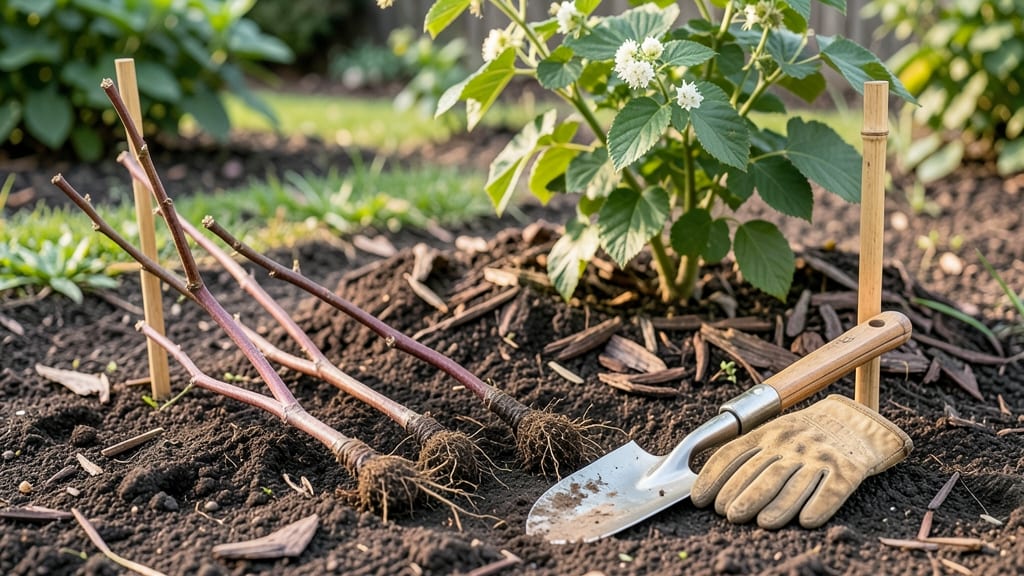
Timing your blackberry 🫐 planting in Louisiana isn’t just about the calendar—it’s about beating the heat and avoiding the humidity’s worst tricks. Plant too early, and your canes might wilt before they root; too late, and summer’s fierce sun will stress them out before winter even arrives.
Lucky for you, Louisiana’s 8a-9b climate gives us two perfect windows: late winter through early spring (February-March) or fall (September-October). These months let your blackberries establish roots without fighting extreme temperatures—the key to thriving plants that produce juicy berries all season.
But here’s the catch: not all blackberry varieties handle Louisiana’s heat the same way. Some wilt under 90°F+ temps, while others—like the hardy 'Arapaho' or 'Natchez'—thrive in our sweltering summers. I’ll break down which ones to pick and exactly when to plant them for maximum success.
Ready to skip the guesswork? Let’s dive into the exact months, soil prep secrets, and heat-tolerant varieties that’ll turn your Louisiana garden into a blackberry bonanza—without the usual struggles.
Best months to plant blackberries in Louisiana (avoiding frost & heat stress)
Timing is everything when planting blackberries in Louisiana, where USDA Zones 8a-9b bring both early spring warmth and late-season humidity.
The ideal planting window is September to October for fall planting or February to early March for spring, when soil temperatures stay above 60°F—critical for root establishment before summer’s intense heat. Planting outside these windows risks heat stress or late frost damage, which can kill tender new growth.
Louisiana’s unpredictable frost dates (mid-February in Zone 8a, late February in Zone 9b) make early spring planting risky. If you choose spring, wait until after the last frost and ensure soil is workable—typically by mid-March.
Fall planting, however, gives roots 6-8 weeks to establish before winter dormancy, a major advantage in Louisiana’s clay-heavy soils that dry out quickly under summer sun.
For bare-root canes, plant in fall (September-October) when nurseries offer the best selection. Potted plants can go in spring or fall, but avoid planting in summer’s peak heat (June-August), which stresses roots. Louisiana’s high humidity also increases fungal risks during warm, wet springs—another reason to time planting carefully.
If you miss the ideal fall window, late winter planting (January) is better than spring—just cover new plants with row fabric if frost threatens.
Louisiana’s southern regions (Zone 9b) can sometimes plant as late as April, but northern areas (Zone 8a) should stick to September-October or February to avoid frost. Always check your local Cooperative Extension Service for microclimate updates, as Louisiana’s weather varies dramatically even within short distances.
For container growing, timing is less critical, but still plant in fall or early spring. Containers dry out faster in Louisiana’s summer heat, and root-bound plants struggle to establish.
If you must plant in summer, choose shade-tolerant varieties like 'Natchez' and keep containers in partial shade until roots recover. Mulch heavily with pine straw to retain moisture and regulate soil temperature.
Pro tip: Soak bare-root canes for 1-2 hours before planting to jumpstart root growth. In Louisiana’s clay soils, mix in compost or peat moss to improve drainage—a must for preventing root rot during the humid summer months.
After planting, water deeply once a week to encourage deep root development before the dry season hits.
Remember, blackberries thrive with full sun (6+ hours daily), but Louisiana’s summer intensity can scorch young plants. If planting in spring, provide afternoon shade for the first 2-3 weeks until roots are established.
This simple step can mean the difference between a healthy plant and one struggling under 100°F+ heat.
Finally, prune canes back by 1/3 after planting to reduce transplant shock and encourage bushier growth. Louisiana’s humid climate also demands
Best months to plant blackberries in Louisiana (avoiding frost & heat stress)
Louisiana’s USDA Zones 8a-9b mean your blackberry planting window is short but sweet—just 6-8 weeks between frost risks. The ideal planting months are September-October (fall) and February-March (early spring), when soil temps hover around 60°F+ and humidity spikes are less extreme.
Fall planting gives your blackberries a head start on root growth before winter dormancy, while spring planting lets you avoid last-minute summer stress. But timing isn’t just about the calendar—it’s about soil temperature, humidity levels, and variety hardiness. Let’s break it down.
📅 Louisiana Blackberry Planting Windows
| Planting Window | Soil Temp (°F) | Humidity Risk | Best Varieties |
|---|---|---|---|
| Late Winter (Feb-March) | 55-65°F | Low (dry season) | Arapaho, Natchez |
| Fall (Sept-Oct) | 60-70°F | Moderate (rainy season) | Ouachita, Chester |
| Risky Windows | Below 50°F or Above 80°F | High (fungal risk) | Avoid planting |
For Zone 8a (northern LA), aim for September 15-October 15 or February 15-March 15 to dodge late frosts. In Zone 9b (southern LA), you’ve got a little more flexibility—October-November works too, but avoid planting after November 15 when humidity skyrockets.
Pro tip: Test your soil temperature with a soil thermometer before planting. Blackberries need consistent 60°F+ temps to root properly—any colder, and your canes will struggle. If your soil is below 55°F, wait a week or two.
Another critical factor? Humidity. Louisiana’s summer heat + high humidity = perfect fungal conditions. Planting in fall lets you beat the worst of it, while spring planting gives your plants time to establish before the heat ramps up.
If you’re planting bare-root canes, do it on a cool, cloudy day to reduce transplant shock. For potted plants, wait until soil temps are consistently above 60°F—usually mid-March or late September in most of Louisiana.
Last but not least: Mulch heavily after planting to lock in moisture and keep roots cool. Use straw or pine needles—they’re perfect for Louisiana’s climate and help suppress weeds too. 🌱