
Plants
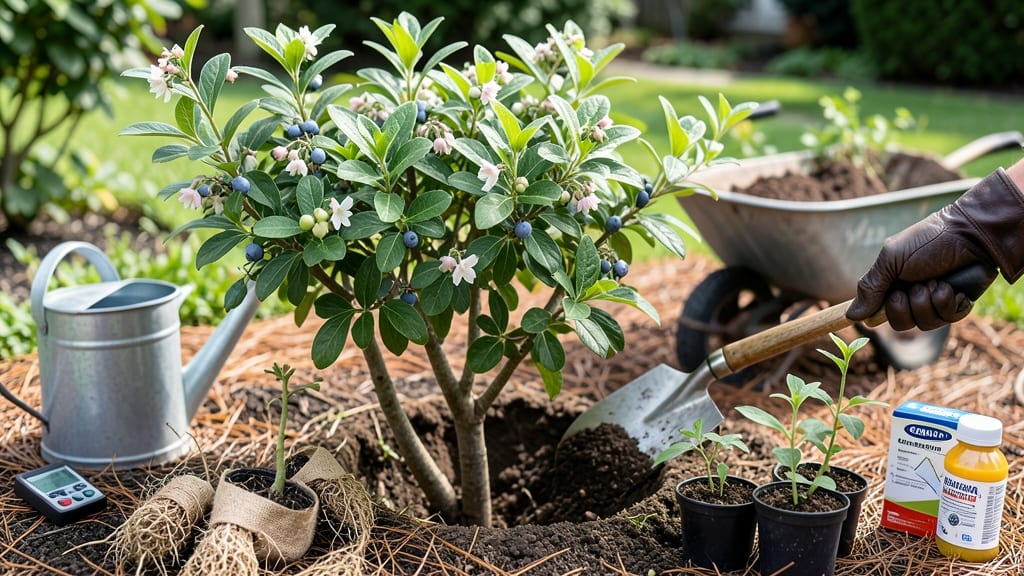
If you’ve ever dreamed of plucking fresh 🫐 blueberries straight from your Kansas backyard, timing is the secret ingredient—plant too early, and frost will sabotage your saplings; too late, and your bushes might never thrive.
The best time to plant blueberries in Kansas hinges on your hardiness zone, with late winter to early spring (February–April) being the sweet spot for most varieties.
Kansas’s Zone 6a climate means you’ve got a narrow window to work with—miss it, and you risk stunted growth or poor fruit production.
But don’t stress: I’ll break down the exact months for your region, whether you’re in Wichita or Topeka, and share pro tips to give your blueberries the fighting chance they deserve.
Why does this matter? Because blueberries are finicky—they need acidic soil, consistent moisture, and the right temperature cues to take root. Get it wrong, and you’ll be stuck with underperforming bushes. Get it right, and you’ll be harvesting juicy, homegrown berries by mid-summer.
Let’s dive into the science-backed schedule so you can plant with confidence—and start enjoying those sweet, plump berries sooner than you think.
Best months to plant blueberries in Kansas by hardiness Zone
Kansas spans USDA Hardiness Zones 5b to 7a, meaning your last frost date varies dramatically—from late March in Topeka to early April in Wichita. Blueberries are dormant in winter but need to root before spring growth begins, so timing is critical.
Plant too early, and frost damage will kill tender roots; too late, and your bushes may struggle to establish before summer heat sets in.
For bare-root blueberries, aim for late winter to early spring (February–April), when soil temperatures reach 40°F (4°C) but before buds break. Container-grown plants offer more flexibility—you can plant them year-round, but spring still gives them the best start.
In Kansas, March is ideal for most regions, balancing frost risk and soil warmth.
Southern Kansas (Zones 6b-7a, like Wichita and Garden City) can plant slightly earlier—late February to early March—while northern areas (Zones 5b-6a, like Salina or Manhattan) should wait until mid-to-late March to avoid late frosts.
Always check your local frost date calendar for precision.
Here’s how Kansas’ two main planting windows compare for blueberries:
| Factor | Early Spring (Feb-Apr) | Fall (Sept-Oct) |
|---|---|---|
| Best For | Bare-root plants | Container-grown plants |
| Soil Temp | 40–50°F (4–10°C) | 50–60°F (10–15°C) |
| Frost Risk | Low (after last frost) | High (before first frost) |
| Root Establishment | 6–8 weeks before heat | 4–6 weeks before dormancy |
| Kansas Regions | All zones (Feb-Apr) | Zones 6b-7a (Sept-Oct) |
| Pros | Longer growing season; less stress | Avoids summer heat; established roots for spring |
| Cons | Late frost risk in Zone 5b | Limited to southern KS; shorter window |
In Kansas, fall planting is risky unless you’re in Zone 6b or higher (e.g., Sedgwick or Butler County). Even then, plant by mid-October to allow roots to establish before winter. For northern Kansas, stick to spring planting—it’s the safest bet for 90% of gardeners.
Pro tip: Use a soil thermometer to confirm soil temps are above 40°F (4°C) before planting. In Kansas, this usually aligns with late March for most regions, but Wichita can be 1–2 weeks earlier than Manhattan.
Always amend your soil with peat moss or sulfur to lower pH to 4.5–5.5, which blueberries demand.
If you’re planting in containers, you can extend your window slightly—April or even early May works—but prioritize morning sun and consistent moisture to compensate for Kansas’ hot, dry summers. Container-grown blueberries also recover better from transplant shock, making them ideal for late-season planting.
For bare-root plants, soak roots in water for 2–4 hours before planting to reduce shock. Dig a hole twice as wide as the root ball but only as deep—planting too deep can suffocate the roots.
Backfill with acidic soil mix and water deeply to eliminate air pockets. Mulch with pine needles or wood chips to retain moisture and acidify the soil over time.
Kansas’ unpredictable weather means you’ll need to monitor your blueberries closely after planting.
Top blueberry varieties for Kansas and their ideal planting windows
Kansas’s climate favors cold-hardy blueberry varieties that can handle Zone 6a’s fluctuations while delivering sweet, juicy fruit. Not all varieties thrive equally—some ripen earlier, others need cross-pollination, and a few are better suited for northern Kansas (like Wichita) vs. southern Kansas (like Topeka).
Here’s my breakdown of the best options and their perfect planting windows.
For early harvests, try ‘Duke’ or ‘Jersey’, which ripen in June–July and are perfect for Kansas’s short growing season. If you prefer late-season berries, ‘Bluecrop’ (July–August) is a top pick—it’s also one of the most disease-resistant varieties for our climate.
Pro tip: Plant at least two varieties for cross-pollination, unless you choose a self-pollinating type like ‘Bluegold’.
Timing matters just as much as the variety. Bare-root plants should go in the ground by mid-April (before bud break), while container-grown bushes can handle May planting—just water them deeply afterward. Below, I’ve outlined the ideal months for each variety, plus Kansas-specific growing tips to maximize your yield.
Spacing is another critical factor in Kansas. Blueberries need 4–6 feet apart for proper airflow, which prevents fungal diseases like botrytis (a common issue in our humid summers). If you’re planting in rows, space them 8–10 feet apart to allow for easy maintenance and harvesting.
For container growing, choose dwarf varieties like ‘Top Hat’ and use pots at least 18 inches deep with acidic potting mix.
One last tip: Mulch heavily (3–4 inches of pine bark or straw) to retain moisture and regulate soil temperature—Kansas’s hot summers and cold winters can stress young plants if not managed. With the right variety and timing, you’ll be enjoying homegrown blueberries in just a few seasons!