
Plants
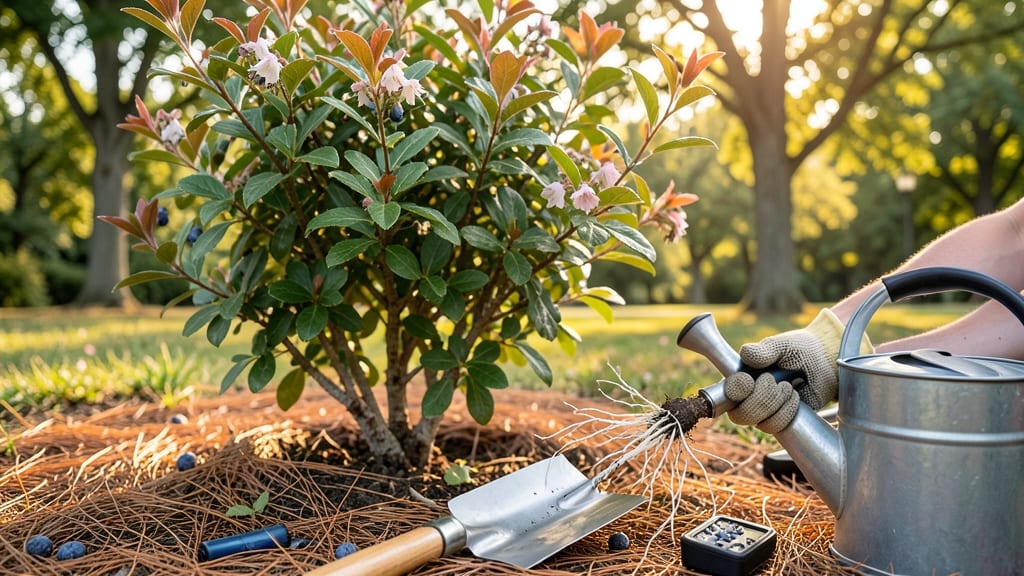
Timing your blueberry bush planting in North Carolina could mean the difference between a thriving 🫐 harvest and years of frustration. Unlike many plants, blueberries demand precise conditions—especially soil temperature and acidity—to take root properly.
If you plant too early, frost can damage delicate roots; too late, and your bushes won’t establish before summer heat sets in.
Most gardeners in NC’s 6a-8b zones swear by late winter to early spring (February-April) as the ideal window, but the real secret lies in soil temperature. When the ground warms to 45-60°F, roots grow faster and stronger, setting your bushes up for a bigger harvest in May-July.
I’ll break down exactly how to read your soil’s signals and avoid common mistakes that trip up even experienced growers.
What if you’re in the Piedmont vs. the coast? Microclimates matter—coastal areas can plant slightly earlier, while mountain regions might need to wait until April.
Plus, I’ll share my go-to soil prep tricks to ensure your 🫐 bushes thrive from day one, including how to test pH and amend your garden bed the right way.
Ready to skip the guesswork? Let’s dive into the exact steps to plant your blueberries at the perfect moment—so you’re enjoying fresh, juicy berries in just a few seasons, not years.
Best planting months for blueberry bushes in NC based on soil temperature
North Carolina’s diverse climate—from the Coastal Plain to the Mountains—means timing your blueberry bushes is everything. Plant too early, and frost zaps young roots; too late, and they struggle to establish before summer heat.
The ideal soil temperature for planting is 45–60°F, triggering root growth without stress. In NC, this window aligns with late winter to early spring, but regional microclimates shift the exact dates.
For most of NC (USDA Zones 7a–8a), aim for March or early April. Coastal areas like Wilmington can start as early as February, while the Mountains (Zone 6b) may wait until mid-April.
Fall planting is risky unless you’re in Zone 8b, where mild winters allow October–November as a secondary window. Always check your last frost date—planting 4–6 weeks before ensures roots establish before heat arrives.
Soil temperature matters more than air temperature. Use a soil thermometer to confirm readiness. If temps dip below 45°F, delay planting. In Piedmont NC, where nights stay chilly longer, prioritize early March for northern counties like Greensboro, while southern zones (e.g., Fayetteville) can start in late February.
Pro tip: Bare-root bushes tolerate cooler soils better than container-grown plants.
Here’s how NC’s regions break down for optimal planting:
| Region | Ideal Planting Month | Soil Temp Goal (°F) | Key Consideration |
|---|---|---|---|
| Coastal Plain (Zones 8a–8b) | Late February–Early March | 45–55°F | Warmer soils; watch for early heat stress |
| Piedmont (Zones 7a–7b) | Early–Mid March | 45–50°F | Cooler nights; prioritize acidic soil prep |
| Mountains (Zones 6b–7a) | Mid–Late April | 50–60°F | Later frost risk; extend season with mulch |
| Fall Option (Zone 8b only) | October–November | 55–65°F | Mild winters only; avoid late fall |
Blueberries thrive when planted in well-draining, acidic soil (pH 4.5–5.5). If your soil tests higher, amend it with peat moss or sulfur 4–6 weeks before planting. In NC’s clay-heavy soils (common in the Piedmont), mix in compost and pine bark fines to improve drainage.
Avoid planting in low-lying areas where water pools—blueberries hate soggy roots.
Container-grown bushes can handle slightly warmer soils, but bare-root plants need cooler conditions to avoid transplant shock. If you’re in Zone 7a and temps spike above 60°F before roots establish, delay planting until soil cools.
A shade cloth over newly planted bushes can help regulate temperature in hot springs. Mulch with pine straw after planting to retain moisture and acidify the soil gradually.
Timing isn’t just about the calendar—it’s about root zone readiness. In NC’s humid climate, planting too late (after April 15) risks summer drought stress, while early planting (before February 15) exposes roots to frost.
Strike the balance by monitoring soil temps and regional forecasts. For example, Raleigh’s last frost is typically March 15, so aim to plant by mid-February.
Pro growers in NC swear by early March as the sweet spot for most regions. By then, the ground is workable, frost risk is low, and the bush can focus on root establishment before summer’s heat.
Pair this with proper soil prep (next section!), and you’ll set your blueberries up for a bountiful harvest in 2–3 years. 🫐
Best planting months for blueberry bushes in NC based on soil temperature
North Carolina’s 6a-8b zones create unique challenges for planting blueberry bushes. While most gardeners default to spring, the real secret is soil temperature. Your bushes need 45-60°F soil to establish roots quickly—too cold, and frost damage risks rise; too warm, and roots stress under summer heat.
In Coastal NC (Zone 8a-8b), you can plant as early as February when soil warms to 50°F. Meanwhile, Piedmont (Zone 7a-7b) gardeners should wait until March-April, aiming for 55-60°F soil. Mountain regions (Zone 6a) often need to delay until late April to avoid late frosts.
| Region | Best Planting Window | Soil Temp Goal | Key Consideration |
|---|---|---|---|
| Coastal NC (8a-8b) | Late February - Early March | 50-55°F | Warmer microclimates; watch for early spring rains |
| Piedmont (7a-7b) | March - Early April | 55-60°F | Moderate frost risk; prioritize acidic soil prep |
| Mountains (6a) | Late April - Early May | 60°F+ | Cooler nights; extend planting season with mulch |
Fall planting is possible in NC’s Zone 8a-8b, but timing is critical. Aim for October-November when soil temps drop to 50-55°F—this gives roots time to establish before winter dormancy. However, avoid planting too late, or roots may not harden off before first frost (typically November 15 in Piedmont).
Pro tip: Use a soil thermometer ($10 at garden centers) to check temps at 6-inch depth. If your soil hasn’t warmed to 45°F by March 15, delay planting until conditions improve. Patience here prevents root rot and ensures stronger plants for next year’s harvest.
Remember, blueberry bushes are perennial investments—proper timing now means years of fruit with minimal stress. Pair this with acidic soil prep (we’ll cover that next), and you’ll be enjoying 🫐 harvests in May-July.