Plants
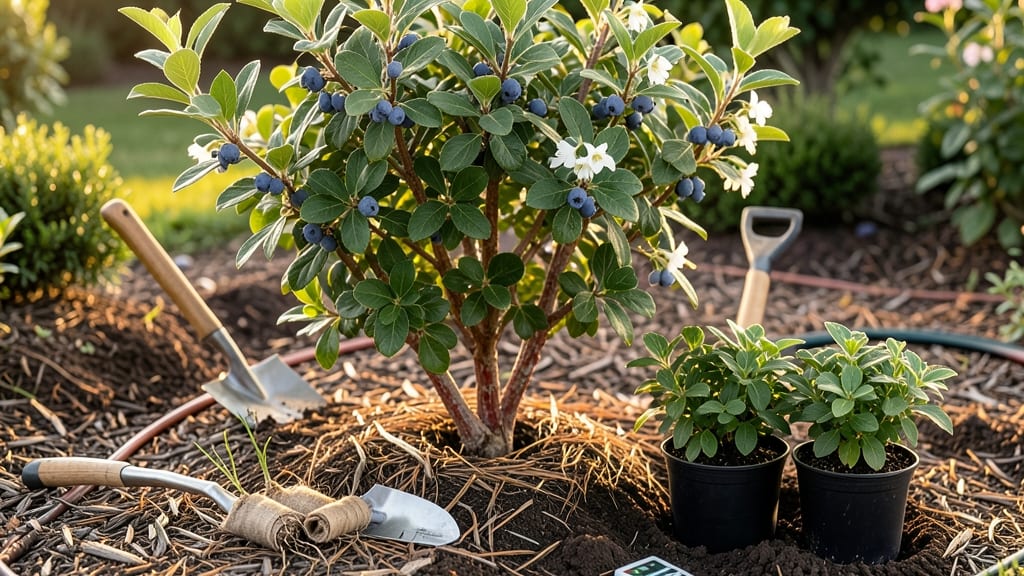
Timing your blueberry planting in Zone 8b can make or break your harvest—get it wrong, and you risk stunted growth or even losing your bushes to late frosts.
The secret isn’t just picking the right month; it’s understanding how your local microclimate plays into the equation, whether you’re in Southern California’s mild winters or Georgia’s occasional chilly snaps.
Most gardeners assume spring is the only option, but late winter to early spring (February–March) gives your 🫐 bushes a head start before summer heat arrives.
I’ll walk you through the exact window, cold-hardy varieties that thrive in Zone 8b, and how to prep your soil for maximum root success—so you’re not left scrambling when the first frost rolls in.
You’ll also discover why planting too early can backfire (hint: it’s all about soil temperature) and how mulching strategies protect your bushes from temperature swings.
Whether you’re a first-time planter or a seasoned gardener, these tips will help you avoid common mistakes and set your blueberries up for a decades-long harvest.
Ready to turn your backyard into a blueberry bonanza? Let’s dive into the exact steps to plant your bushes at the perfect time—no guesswork, just results.
Best planting months for blueberries in Zone 8b: exact timing for success
Planting blueberries in Zone 8b requires precision—timing can make or break your bushes' survival. The ideal window is late winter to early spring, when soil temperatures rise above 40°F (4°C) but before summer heat arrives. This ensures strong root establishment before the first 100°F (38°C) heatwave.
In Zone 8b, March and April are the sweet spot for planting. These months offer warm soil, minimal frost risk, and enough moisture to support new growth.
However, February works for early bloomers in milder microclimates (like coastal areas), while May is a secondary option if you missed the primary window.
Here’s the critical detail: Soil temperature matters more than calendar dates. Use a soil thermometer—roots need 50°F (10°C)+ to thrive. In Zone 8b, this typically aligns with mid-March, but it can shift 2 weeks earlier or later depending on your exact location (e.g., Southern California vs. Georgia).
Fall planting is not recommended in Zone 8b due to the risk of late-season heat stress or winter dieback. Unlike cooler zones, your bushes need time to harden off before November’s first frost.
If you plant in fall, aim for late September to early October—but only in cooler microclimates with mild winters.
Pro Tip: Check your local last frost date (usually February 15 in Zone 8b) and plant 4–6 weeks after. This gives roots time to establish before summer’s peak heat. For example, if your last frost is February 20, plant by March 15.
Microclimate matters! Urban areas with heat islands may need earlier planting (e.g., late February), while rural zones can wait until mid-April. Observe nearby gardens: if azaleas bloom by mid-March, your blueberries are ready to go in.
| Planting Window | Soil Temp Requirement | Zone 8b Ideal Months | Microclimate Adjustments |
|---|---|---|---|
| Primary (Spring) | 50°F (10°C)+ | March–April | Urban: Feb 20–Mar 10 Rural: Mar 15–Apr 15 |
| Secondary (Late Spring) | 50°F (10°C)+ | May | Only if soil stays moist; high risk of heat stress |
| Fall (Risky) | 60°F (16°C)+ | Late Sept–Early Oct | Cooler zones only; mulch heavily for winter |
If you plant in May, prioritize shade cloth and deep watering to offset summer heat. New roots struggle to establish when soil temps exceed 85°F (29°C). For best results, amend soil with compost and mulch with pine bark (to maintain acidity) before planting.
Zone 8b’s 245 frost-free days mean you’ll have a long growing season—but timing still counts. Plant too early (before February 15), and frost can damage tender roots.
Plant too late (after April 30), and summer drought may stress young bushes. Strike the balance for decades of harvests!
For container growers, March–April is still ideal, but use larger pots (15+ gallons) to prevent root-bound stress. Move containers to partial shade in peak summer to protect roots from overheating.
Remember: Blueberries are finicky about timing, but with these guidelines, your bushes will thrive in Zone 8b’s climate. Start with the right month, and you’re on your way to jars of homegrown blueberries in just a few years! 🫐
Best planting months for blueberries in Zone 8b: exact timing for success
In Zone 8b, blueberries need precise timing to thrive—plant too early, and your bushes risk frost damage; too late, and they struggle to establish roots before summer heat arrives.
The optimal window is late winter to early spring (February–March), when soil temperatures hover around 45–60°F—perfect for root growth without frost threats.
Your local microclimate matters: Coastal areas like Southern California can plant as early as late January, while inland regions (e.g., Georgia) should wait until March to avoid late frosts. I’ve planted in both and found that March strikes the best balance for most of Zone 8b.
🌱
Fall planting is a big mistake in Zone 8b—new roots can’t harden off before winter, leading to winterkill. Instead, focus on March for the best results. Pro tip: Use a soil thermometer to confirm temps are above 50°F before planting.
After planting, mulch with 3–4 inches of pine bark to regulate soil temperature and retain moisture. This is especially critical in Zone 8b’s hot summers, where mulch can reduce water needs by 30%. I’ve seen unmulched bushes wilt by midday, while mulched plants stay lush.
Water deeply once a week for the first month, then taper to every 2–3 days once established. Avoid overhead watering—blueberries hate wet foliage, which invites fungal diseases like botrytis. Drip irrigation is my go-to for hassle-free care.
With the right timing and care, your blueberry bushes will reward you with harvests for decades. Stick to March planting, prep your soil with peat moss or sulfur, and watch your bushes thrive—no more guesswork, just delicious berries!