
Plants
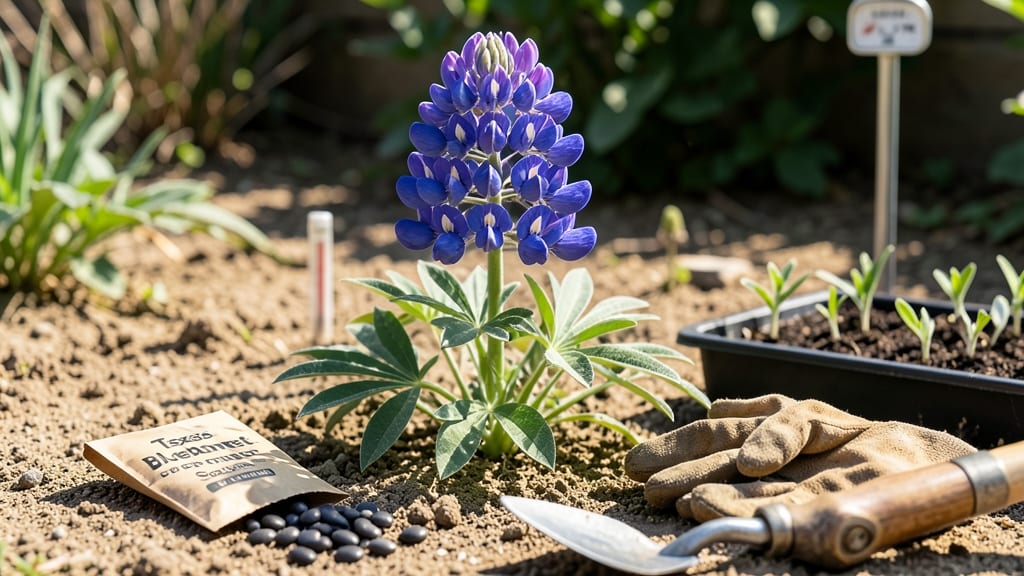
If you're dreaming of a South Texas landscape bursting with 🌸 bluebonnets, timing when to plant bluebonnet seeds in South Texas is the single most important factor—get it wrong, and you might end up with sparse blooms or no show at all.
The key lies in understanding how these hardy wildflowers thrive in our unique 9a-10a climate, where summer heat and winter chill can make or break your success.
Most gardeners assume spring is the best time to plant, but the secret to vibrant bluebonnets actually starts in fall. Between late September and early November, soil temperatures drop just enough to trigger germination, while avoiding the scorching summer heat that can bake seeds before they sprout.
This window gives your bluebonnets the head start they need to establish roots before winter sets in.
What makes South Texas different? Unlike northern regions, our mild winters and unpredictable rainfall mean you don’t have to worry about harsh frosts or soggy soil.
But you do need to pay attention to when the first hard frost might roll in—usually around mid-December in Zone 9a. Planting too late could leave your seeds vulnerable to cold snaps before they’re ready.
In this guide, I’ll walk you through the exact steps to time your planting for maximum blooms, from soil prep to post-planting care—so you can wake up next spring to a carpet of iconic blue that’ll make your neighbors green with envy. Let’s get started!
Optimal fall planting window for bluebonnet seeds in South Texas
Bluebonnets thrive in South Texas's cooler fall months, but timing is everything. The ideal planting window spans from late September to early November, giving seeds time to germinate before winter dormancy.
This aligns perfectly with USDA Zones 9a-10a, where frost is rare but still possible in Zone 9a.
For best results, aim to plant 6-8 weeks before the first hard frost. In South Texas, this typically means mid-October to early November.
However, microclimates vary: San Antonio's cooler nights may allow slightly later planting, while Edinburg's warmer winters might require earlier sowing to avoid winter stress.
Bluebonnet seeds need consistent soil temperatures between 60°F and 75°F to germinate. By late September, daytime temps begin to cool, creating perfect conditions. If you plant too early (before September 20), the summer heat can cause seeds to dormant prematurely or rot.
Soil temperature is your best indicator—use a soil thermometer to confirm it's below 85°F before sowing. In South Texas, this usually happens by mid-to-late September, depending on the year's heat patterns.
🌱 Pro Tip: If you miss the fall window, you can try planting in early spring (February), but blooms will be sparser and less vibrant due to summer heat stress.
🌱 Bluebonnet Planting Timeline for South Texas
| Timeframe | Action | Soil Temp | Notes |
|---|---|---|---|
| Late September | Prepare soil | 70-85°F | Loosen soil, add compost |
| Mid-October | Sow seeds | 60-75°F | Scatter seeds, no covering |
| November | Germination | 50-65°F | Light watering, avoid overwatering |
| December-January | Dormancy | Below 50°F | Minimal water, no fertilizer |
| February-March | Active Growth | 55-70°F | Blooms appear, light feeding |
South Texas's variable rainfall adds another layer to timing. Plant after natural rains in September to avoid overwatering, but be ready to supplement with light irrigation if drought sets in.
Native bluebonnets are adapted to South Texas's erratic rains, so don't stress about perfect moisture—just ensure seeds aren't waterlogged.
In Zone 10a (e.g., Brownsville), you can push planting to early December, but expect slower germination due to cooler soils. For Zone 9a (e.g., San Antonio), stick to mid-October to avoid early winter frosts that can kill young seedlings.
🌿 Key Takeaway: The 6-8 week window before frost is critical. Use local frost date averages as your guide, but always confirm with a soil thermometer—bluebonnets won't germinate if the ground is still too warm.
Optimal fall planting window for bluebonnet seeds in South Texas
Bluebonnets thrive in South Texas's mild winters, but planting them at the wrong time can mean no blooms. The ideal window is 6-8 weeks before your average first frost—typically late September to early November.
This timing ensures seeds germinate during cool soil temperatures (60-70°F) while avoiding summer heat stress.
In South Texas (USDA Zones 9a-10a), frost is rare, but Edinburg's cooler microclimate may experience light frosts by mid-December, while San Antonio stays frost-free until January. Aim for October planting in cooler areas and early November in warmer zones like Brownsville.
Soil temperature is critical—bluebonnet seeds need consistent 60-70°F soil to germinate. Use a soil thermometer to confirm conditions before planting. If temperatures rise above 75°F, germination slows dramatically, leading to patchy blooms the following spring.
🌱 Bluebonnet Planting Timeline for South Texas
| Stage | Action | Notes |
|---|---|---|
| Late September | Prepare soil (pH 6.0-7.5) | Test soil 2 weeks before planting |
| October | Scatter seeds (¼" deep) | No need to cover; rely on rain |
| November | Light watering (if dry) | Avoid overwatering; seeds need dormancy |
| Spring (March) | Blooms appear! | Full sun + minimal care = vibrant display |
If you miss the fall window, spring planting is possible but risky—seeds may bolt (flower too quickly) in South Texas's hot springs. For best results, stick to fall and let nature handle the rest. Bluebonnets are drought-tolerant once established, so minimal watering is needed after germination.
Pro tip: Collect seeds from local bluebonnets in late spring (when pods turn brown) for region-specific varieties adapted to your microclimate. Store seeds in a cool, dry place until fall planting.
Remember, patience is key—bluebonnets may take 2-3 years to reach full coverage, but the spring spectacle is worth the wait! 🌸