
Plants
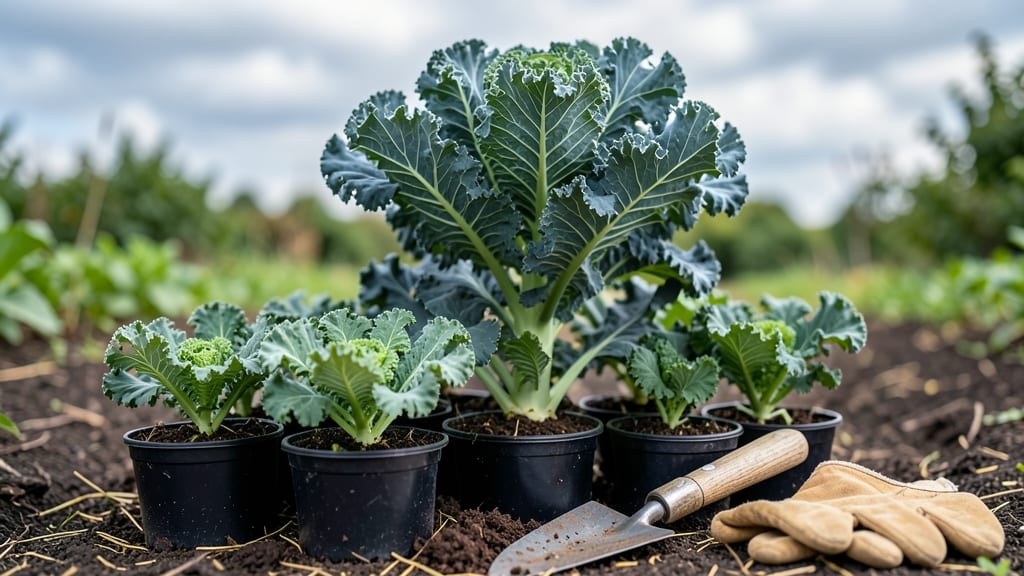
Planting brassicas in Michigan at the wrong time can turn your dream harvest into a bitter disappointment—literally. These frost-tolerant veggies like broccoli and kale 🥬 thrive when timed just right, but Michigan’s unpredictable climate makes getting it wrong all too easy.
Whether you’re a first-time gardener or a seasoned green thumb, knowing the exact window to plant brassicas in 5b-6b zones is the key to avoiding bolting or stunted growth. The difference between a thriving garden and wasted seeds often comes down to 2-4 weeks of perfect timing.
In this guide, I’ll break down the ideal planting windows for both spring and fall, including county-specific frost dates and succession planting strategies. You’ll learn how to stretch your growing season and protect your brassicas from Michigan’s late frosts or early heat waves.
Ready to turn your garden into a brassica powerhouse? Let’s dive into the exact dates and methods that work for Michigan’s climate—no guesswork required.
Michigan’s brassica planting zones: frost dates by county for zero-bolt success
Michigan’s USDA zones 5b-6b create a tricky balance for growing brassicas—too early, and you risk frost damage; too late, and your plants bolt. The key? Timing your spring and fall plantings around frost dates specific to your county.
Most of Michigan’s last spring frost occurs between April 15-30, while the first fall frost hits around October 10-25.
For spring brassicas, aim to plant 4-6 weeks before your last frost date. This window ensures seedlings mature before summer heat triggers bolting. In fall plantings, start seeds 8-10 weeks before your first frost to harvest before winter sets in.
Southern Michigan’s warmer microclimates (like Wayne County) can push these windows slightly later than the Upper Peninsula’s colder zones.
Here’s how to use this table: Find your county, note the last/first frost dates, then calculate your planting window by subtracting the weeks listed above. For example, if your last frost is April 20, plant spring brassicas between March 10-25.
| County | Last Spring Frost | First Fall Frost | Spring Planting Window | Fall Planting Window |
|---|---|---|---|---|
| Wayne (Detroit) | April 25 | October 15 | March 15-April 10 | August 10-September 5 |
| Oakland (Pontiac) | April 20 | October 10 | March 10-April 5 | August 5-September 1 |
| Washtenaw (Ann Arbor) | April 18 | October 12 | March 8-April 3 | August 8-September 3 |
| Marquette (UP) | May 10 | September 20 | April 10-May 5 | July 15-August 10 |
| Grand Traverse (Traverse City) | April 28 | October 5 | March 18-April 13 | August 15-September 10 |
*Frost dates vary yearly; use 3-year averages for planning.
If you’re in a county not listed, check the Michigan State University Extension’s frost date maps for precise data. For direct-sown seeds, like kale or turnips, you can plant slightly earlier (2-3 weeks before the table suggests) since they tolerate light frost.
However, transplants (like broccoli or cabbage) need warmer soil, so stick to the later dates.
Pro tip: Use row covers to extend your spring planting window by 2-3 weeks. These lightweight fabrics protect seedlings from late frosts while allowing sunlight to penetrate. Just remove them once plants are established to prevent overheating.
For fall brassicas, prioritize cold-hardy varieties like ‘Winterbor’ kale or ‘January King’ cabbage. These can withstand light frosts and even taste sweeter after exposure to 20-30°F temperatures. Plant them in well-draining soil with compost added to boost cold tolerance.
Remember: Soil temperature matters just as much as air temperature. Brassicas thrive when
Spring vs. fall planting: which strategy works best for Michigan’s climate?
Deciding between spring and fall planting for brassicas in Michigan depends on your local microclimate, variety choice, and harvest goals. Southern Michigan’s warmer zones (like Wayne County) often favor fall plantings, while the Upper Peninsula’s shorter summers may lean toward spring.
Let’s compare the two strategies to help you decide which works best for your garden.
Spring planting gives you an earlier harvest and avoids summer heat stress, but it requires careful timing to prevent bolting from Michigan’s unpredictable late frosts. Fall planting, on the other hand, extends your harvest into October and November when markets are flush and prices are high.
However, fall brassicas must mature before first frost, which varies dramatically across the state.
✅ Earlier harvests (June-July)
✅ Avoids summer bolting risk
✅ More variety options (e.g., ‘Blue Lake’ broccoli)
✅ Better for heat-sensitive varieties
✅ Later harvests (Oct-Nov)
✅ Sweeter flavors after frost
✅ Fewer pests in fall
✅ Better for cold-hardy varieties (e.g., ‘Winterbor’ kale)
❌ Late frost risk (April-May)
❌ Bolting danger if planted too late
❌ Shorter harvest window (summer heat)
❌ Requires succession planting for continuous yield
❌ Limited time to mature before frost
❌ Soil cooling slows growth
❌ Fewer variety options (must use cold-hardy types)
❌ Requires precise timing for harvest window
For spring planting, prioritize transplants (like broccoli or cabbage) over direct-sown seeds, as they establish faster in warmer soil. Start seeds indoors 6-8 weeks before your last frost date, then harden them off before transplanting.
If you’re using direct-sown varieties (like kale or turnips), plant them 3-4 weeks earlier since they tolerate light frost.
Fall planting requires earlier variety selection. Choose fast-maturing types like ‘Blue Lake’ broccoli (50-60 days) or ‘January King’ cabbage (90-100 days). Start seeds indoors 8-10 weeks before your first frost, then transplant seedlings 4-6 weeks before the expected frost date.
Use row covers to extend the season by 2-3 weeks in both spring and fall.
One strategy that works exceptionally well in Michigan is succession planting. For spring, make weekly plantings every 2-3 weeks from March through May to ensure a continuous harvest. For fall, stagger plantings every 3 weeks from mid-July to early September to maximize your yield before frost.
This approach minimizes bolting risk and ensures you always have fresh brassicas to harvest.
Remember, soil temperature is just as critical as air temperature. Use a soil thermometer to confirm your soil is at least 40°F for spring plantings and 50°F for fall. If your soil is too cold, delay planting or use black plastic mulch to warm it up faster.