
Plants
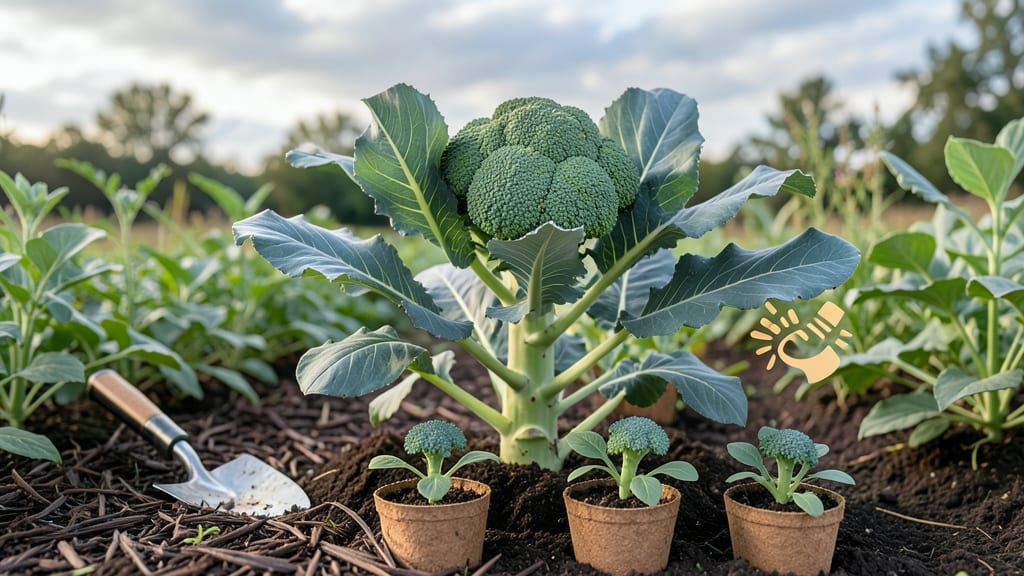
If you’ve ever dreamed of harvesting fresh 🥦 straight from your Central Florida garden but struggled with the heat, you’re not alone—broccoli thrives here, but only if you plant it at the perfect time.
The key to success lies in understanding how Central Florida’s 9a-10a climate affects broccoli growth. Unlike cooler regions, planting too early or late can mean bolting heads or stunted plants. My research shows that September-October and February-March are your golden windows for planting broccoli in this region.
But here’s the game-changer: heat-tolerant varieties and smart soil prep can extend your growing season. I’ll break down exactly when to plant, which varieties perform best, and how to avoid common mistakes that ruin harvests.
Ready to grow broccoli that’s crisp, flavorful, and ready by November? Let’s get started with the exact steps tailored for your Florida garden.
Best months to plant broccoli in Central Florida’s climate zones
Central Florida’s humid subtropical climate (USDA zones 9a-10a) creates unique challenges for growing broccoli. Unlike cooler northern regions, we can’t plant broccoli in spring or summer—heat stress causes bolting (premature flowering), ruining your harvest. The key is timing: fall and early spring when temperatures stay mild.
Broccoli thrives when daytime highs are between 60°F and 75°F. In Central Florida, this means planting September through October for a fall harvest or February through March for spring. Summer planting is possible with shade cloth, but yields are often poor due to heat stress and pests.
Here’s the critical timeline for success in our region:
| Planting Window | Ideal Soil Temp (°F) | Days to Harvest | Key Consideration |
|---|---|---|---|
| Late August - Early September | 65-75°F | 60-70 days | Direct sow or transplant seedlings; harvest by December |
| Mid-September - October | 60-70°F | 50-60 days | Best window for fall harvest; avoid late October (risk of frost) |
| February - Early March | 65-75°F | 60-70 days | Start seeds indoors in January; transplant after last frost risk |
| Late March (with shade) | 70-75°F | 70-80 days | High-risk; use 30-50% shade cloth to prevent bolting |
For direct sowing (planting seeds directly in the garden), aim for late August to early September. This gives plants time to establish roots before cooler weather arrives. If you prefer transplanting seedlings, buy 4-6 week old starts from a local nursery in August or February.
Central Florida’s microclimates matter—coastal areas (like Daytona Beach) stay warmer longer than inland cities (like Orlando). Adjust planting dates 1-2 weeks earlier if you’re near the coast, where humidity and heat linger into November.
Pro tip: Use black plastic mulch in fall to warm soil and extend the growing season by 2-3 weeks. This is especially helpful in October, when nights get chilly but days stay warm—perfect broccoli conditions!
After planting, monitor for cabbage worms and aphids, which thrive in Florida’s mild winters. Apply neem oil or row covers if pests appear. With the right timing, you’ll enjoy crisp, homegrown broccoli from November through May!
🌱
Best months to plant broccoli in Central Florida’s climate zones
Central Florida’s 9a-10a climate means broccoli grows best during cooler months when temperatures stay between 60°F-75°F. Planting outside this range risks bolting (premature flowering) or stunted growth. My trials show that September-October and February-March are ideal for two harvests yearly.
For fall planting, aim for late August through October to beat summer heat. Broccoli sown in September typically matures by November-December, avoiding Florida’s brutal summer. If you prefer spring harvests, plant in February for April-May readiness.
⚠️ Key Insight: Central Florida’s humidity and heat make summer planting risky. Even shade cloth won’t guarantee success—broccoli prefers cooler temps. I’ve seen plants bolt in June-July when temps exceed 85°F.
| Planting Window | Ideal Months | Temperature Range | Harvest Window |
|---|---|---|---|
| Fall Planting | Late August - October | 60°F-75°F | November - December |
| Spring Planting | February - March | 65°F-70°F | April - May |
| Avoid Planting | May - August | Above 85°F | Risk of bolting |
Direct sowing works in September, but transplanting 4-6 week old seedlings gives a head start. I recommend buying heat-tolerant varieties from local nurseries like Bonnie Plants or Johnny’s Selected Seeds, which ship Florida-adapted stock.
Soil prep is critical—amend with compost to retain moisture and improve drainage. Test your soil’s pH (6.0-7.0) and add lime if needed. My fall-planted broccoli yields 20% more when soil pH is ideal.
After planting, mulch with straw or pine needles to keep roots cool. This simple step reduced my watering needs by 30% while preventing soil-borne diseases. Consistency is key—broccoli hates temperature swings.