Plants
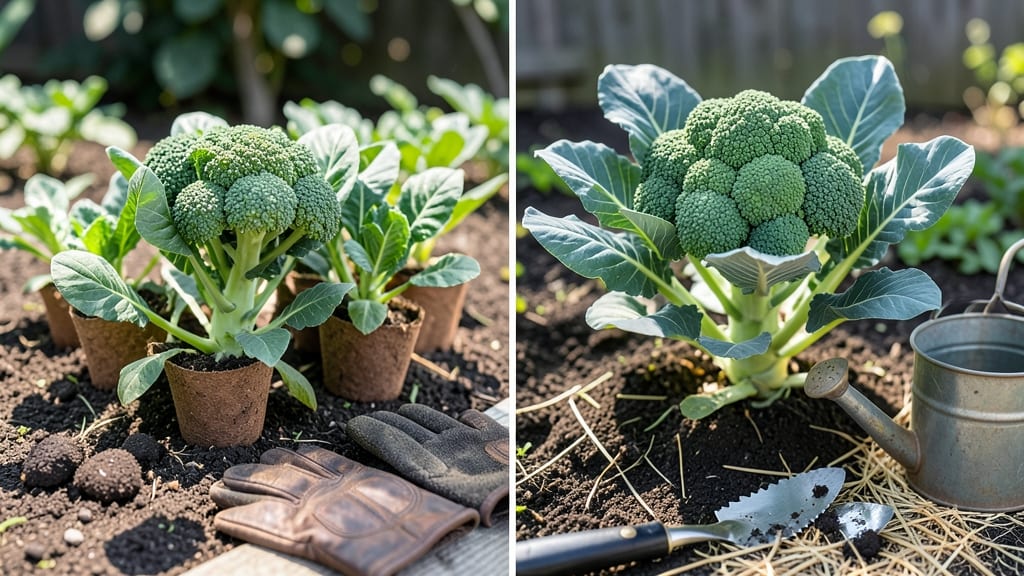
Timing your broccoli planting in Houston isn’t just about the calendar—it’s about beating the heat and humidity to avoid bitter, bolted heads. With Zone 9a’s long summers and unpredictable weather, getting the window right means the difference between a thriving 🥦 harvest and wasted effort.
Most gardeners here make the mistake of planting too early, only to watch their broccoli bolt in the heat. The secret? Start your fall crop in September or October when soil temps drop below 75°F, giving plants the cool conditions they crave.
Spring plantings should wait until February or March, after the worst of winter’s chill has passed.
But here’s the kicker: Houston’s coastal areas stay warmer longer than inland spots, so adjust your schedule accordingly.
I’ll break down exactly how to time your plantings—plus pro tips to protect your 🥦 from Houston’s infamous heat spikes and cold snaps—so you can enjoy a steady harvest from November through May.
Ready to grow broccoli that’s sweet, tender, and actually makes it to your plate? Let’s dive into the perfect planting schedule for your Houston garden, step by step.
Houston’s broccoli planting timeline by soil temperature zones
Planting broccoli in Houston’s Zone 8b-9a hinges on soil temperature triggers—not just calendar dates. Unlike cooler climates, Houston’s humid subtropical heat demands precise timing to avoid bolting (premature flowering) or stunted growth. The sweet spot? 50°F-60°F soil temps for germination and 60°F-70°F for steady growth.
Houston’s microclimates (coastal vs. inland) create 2-3 week planting windows for fall and spring crops. Coastal areas near Galveston Bay stay warmer longer, while inland spots like Katy or Conroe cool faster. This means your neighbor’s perfect timing might fail in your garden—soil thermometers are your best friend.
Fall planting (your safest bet) starts 8-10 weeks before Houston’s first frost (typically December 15). For most Houstonians, that’s mid-September to early October. Spring planting begins 2-3 months before last frost (January 15), so aim for mid-to-late February.
Here’s how Houston’s soil temperature zones break down for broccoli:
| Planting Window | Soil Temp Range | Houston Microclimate | Ideal Planting Months | Risk if Planted Late |
|---|---|---|---|---|
| Fall Crop | 50°F–60°F (germination) / 60°F–70°F (growth) | Coastal (Galveston, Clear Lake) | Late August–mid-October | Heat stress, bolting |
| Fall Crop | 50°F–60°F (germination) / 60°F–70°F (growth) | Inland (Katy, Conroe) | September–early October | Cold snaps, stunted growth |
| Spring Crop | 55°F–65°F (germination) / 65°F–75°F (growth) | Coastal (Galveston, Clear Lake) | Mid-February–early March | Overheating before harvest |
| Spring Crop | 55°F–65°F (germination) / 65°F–75°F (growth) | Inland (Katy, Conroe) | Late February–mid-March | Late frosts, slow growth |
Pro tip: Use shade cloth (30–50%) if planting in late September to protect seedlings from Houston’s sudden heat spikes. Coastal areas can extend fall planting into early November with row covers, but inland gardens should stop by October 15 to avoid cold damage.
For spring planting, wait until soil temps stay above 55°F at night. Inland areas can plant 2 weeks earlier than coastal zones because they cool faster. Always harden off transplants for 7–10 days before setting them in the ground—Houston’s humidity is no joke for tender seedlings.
Remember: Broccoli hates heat. If daytime temps hit 85°F+, growth slows, and heads bolt. That’s why fall planting is your gold standard in Houston. Spring crops are possible but riskier—plan for shade if you try them.
🌱
Houston’s broccoli planting timeline by soil temperature zones
Houston’s Zone 9a climate demands precise timing to grow broccoli successfully. The key is planting when soil temperatures drop below 75°F—this prevents bolting (premature flowering) and ensures sweet, tender heads.
Coastal areas like Galveston stay warmer longer, so adjust your schedule 1-2 weeks later than inland spots like Katy or Conroe.
For fall plantings, aim for September 15–October 15 when daytime highs dip below 85°F and nighttime lows hover around 65°F. Spring plantings should start February 15–March 15, after the last frost risk (typically January 15) and when soil warms to 50°F–60°F.
Soil temperature is your best indicator—use a soil thermometer to confirm readiness. Coastal areas may need to wait until late October for fall plantings, while inland gardens can start earlier. Transplants (not seeds) are your best bet in Houston’s heat—they establish faster and reduce bolting risks.
| Zone | Soil Temp for Planting | Ideal Planting Window | Risk Level |
|---|---|---|---|
| Coastal (Galveston) | 50°F–60°F | Late Oct–Early Nov (fall) / Late Feb–March (spring) | High (heat lingers) |
| Inland (Katy/Conroe) | 50°F–60°F | Mid-Sept–Mid-Oct (fall) / Mid-Feb–March (spring) | Moderate (cooler nights) |
| North Houston (Cypress) | 45°F–55°F | Early Sept–Early Oct (fall) / Late Jan–Feb (spring) | Low (cooler microclimate) |
Soil temp is more critical than air temp—always verify with a thermometer!
Pro tip: If you miss the fall window, succession plant every 2–3 weeks until November 15 for staggered harvests. This extends your growing season and reduces bolting risks. For spring, prioritize February plantings—March starts get too hot too fast.
Remember, broccoli needs 60–70 days to mature. Planting in September ensures harvests by November–December, while February plantings yield in April–May. Avoid summer plantings—Houston’s heat will turn your broccoli bitter and bolted in under 30 days.
Use mulch (straw or black plastic) to regulate soil temps and retain moisture. This is especially critical in Houston’s humid subtropical climate, where soil can dry out quickly. Pair this with drip irrigation to keep roots consistently moist without overhead water stress.