
Plants
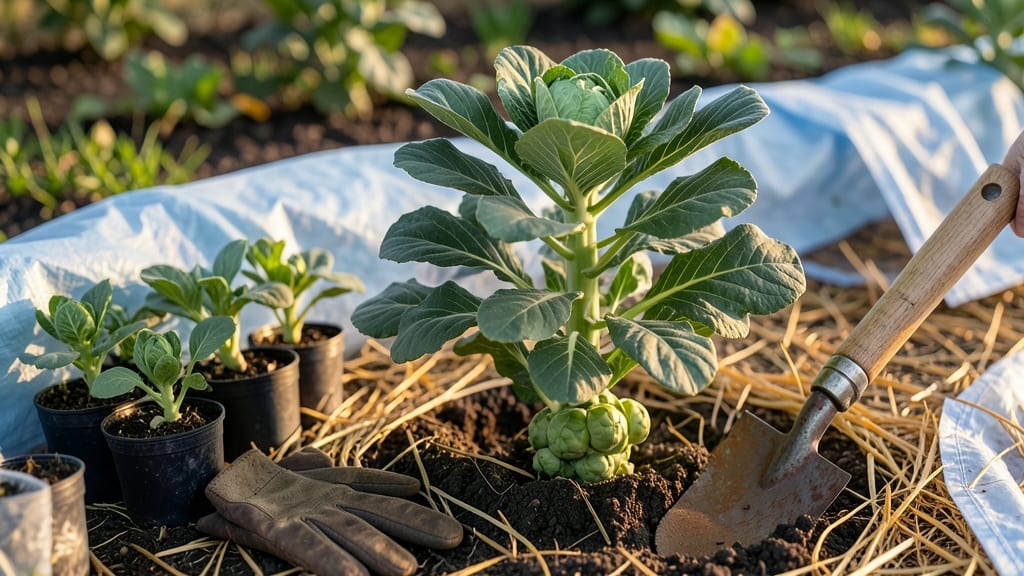
Planting Brussel sprouts 🥦 in Kansas isn’t just about timing—it’s about avoiding the bitter disappointment of bolting. If you’ve ever watched your carefully nurtured sprouts shoot up into flower stalks instead of forming those delicious little cabbages, you know the frustration.
The key lies in understanding when to plant them for Kansas’s 6a climate, where frost dates can make or break your harvest.
Most gardeners in Kansas swear by two planting windows: mid-March to mid-April for spring crops and mid-July to mid-August for fall harvests. But here’s the catch—planting too early risks bolting from warm soil, while waiting too long can leave you with stunted plants.
I’ll break down the exact frost-resistant timing that keeps your Brussel sprouts sweet and bolt-free, so you can enjoy that harvest from October through December.
Whether you’re starting seeds indoors or direct-sowing, the right timing ensures your plants mature before the first frost hits around October 15. We’ll cover soil prep, spacing secrets, and how to adjust for early vs. late varieties—because in Kansas, where temperatures can swing wildly, flexibility is everything.
Let’s get your garden set up for success.
Ready to grow Brussel sprouts that taste as good as they look? By the end of this guide, you’ll know exactly when to plant, how to protect your crop, and which varieties thrive in Kansas’s unpredictable weather.
No more guesswork—just a steady supply of those little green gems straight from your garden.
Kansas Brussels sprout planting calendar: avoid bolting with frost-resistant timing
Kansas gardeners know that Brussels sprouts love the state's cool, crisp autumn air—but timing is everything. Plant too early, and your sprouts may bolt into bitter flowers. Plant too late, and you risk stunted growth.
The key? Frost-resistant timing that aligns with Kansas’s USDA Zones 5-7 and average last frost dates around April 15.
For most of Kansas, the ideal planting window spans from mid-March to mid-April for spring crops and mid-July to mid-August for fall harvests. This schedule ensures your plants mature before winter frost hits, while avoiding the heat stress of summer planting.
Let’s break down the exact weeks to plant, transplant, and harvest for zero bolt risk.
| Planting Stage | Spring Planting (March-April) | Fall Planting (July-August) | Key Notes |
|---|---|---|---|
| Start Indoors | Mid-February | Mid-June | Use seed trays with 60°F soil for 4-6 weeks before transplanting. |
| Direct Sow | Mid-March to April 1 | Mid-July to August 1 | Soil must be 50°F+; sow 1/2 inch deep, 2 inches apart. |
| Transplant Seedlings | April 15-May 1 | August 15-September 1 | Hardy seedlings thrive in 55°F+ soil; space 18-24 inches apart. |
| Harvest Window | October-December | October-December | Harvest 1-1.5 inches sprouts before frost; 80-120 days to maturity. |
| Soil Temp Threshold | 50°F+ | 50°F+ | Use a soil thermometer to avoid cold stress. |
Kansas’s variable frost dates mean you’ll need to adjust based on your microclimate. In western Kansas (Zone 6b-7a), where frosts arrive earlier, aim for late March to early April for spring planting. Meanwhile, eastern Kansas (Zone 5b-6a) gardeners have until mid-April to direct sow without risking bolting.
For fall planting, the window is tighter. Seedlings sown after August 15 may not mature before the first frost (typically October 15), so prioritize mid-July to early August for reliable harvests. Use row covers to extend the season if needed.
Pro tip: Succession planting every 2-3 weeks in spring and fall ensures a continuous harvest. For example, sow a batch in mid-March, another in late March, and a final batch in early April to stagger maturity and avoid glutting your kitchen.
One common mistake? Planting too early in cold, wet soil. Brussels sprouts hate soggy roots, so wait until soil temperatures consistently reach 50°F before sowing. Use a soil thermometer to track progress—this is non-negotiable in Kansas’s unpredictable spring.
If you’re transplanting seedlings, harden them off for 7-10 days before moving them outdoors. This step is critical in Kansas’s windy conditions, where sudden temperature swings can shock tender plants. Acclimate seedlings to outdoor temps by placing them in a sheltered spot for a few hours daily, gradually increasing exposure.
Finally, remember that Brussels sprouts thrive in cool weather. The ideal temperature range for growth is 55-75°F. Planting in late summer (August) gives them time to establish roots before temperatures drop, while avoiding the heat stress of July. This balance is key to sweet, bolt-free sprouts.
With this frost-resistant timeline, you’ll enjoy homegrown Brussels sprouts from October through December, just in time for holiday meals. Now, grab your garden gloves and let’s get planting! 🌱
5 Critical factors that determine perfect planting time in Kansas
Timing your Brussels sprouts planting in Kansas isn’t just about checking a calendar—it’s about understanding your local microclimate, soil conditions, and the specific needs of your chosen variety.
I’ve learned from years of trial and error that even a week’s difference can mean the difference between a sweet harvest and a bitter disappointment. Let’s break down the five factors that will help you nail your planting window every time.
The first factor is soil temperature. Brussels sprouts need soil that’s at least 45°F (7°C) to germinate properly.
In Kansas, this usually aligns with mid-March to mid-April for spring planting, but if your soil warms up faster due to south-facing exposure or poor drainage, you might need to wait a week or two. Always test your soil with a soil thermometer—don’t guess!
Next, consider your last frost date. While Kansas’s average last frost is around April 15, microclimates can shift this by 10 days or more.
If you’re in western Kansas (Zone 6b-7a), you might push your spring planting to early April, while eastern Kansas (Zone 5b-6a) gardeners should aim for mid-March. The goal? Give your plants 90-120 days to mature before the first frost hits in October.
Your chosen variety plays a huge role too. Early-maturing types like 'Long Island Improved' (80-90 days) can handle a later spring planting, while late varieties like 'Ruby Ball' (110-120 days) need that early start.
I’ve found that fall planting works best with mid-season varieties (90-100 days), giving them time to bulk up before winter sets in. Pro tip: Mix varieties for a staggered harvest from October through December.
Don’t overlook soil drainage—it’s a game-changer in Kansas’s variable rainfall. Heavy clay soils hold moisture too long, delaying planting by 1-2 weeks, while sandy soils dry out faster, allowing earlier starts. Amend your beds with compost or aged manure before planting to improve both drainage and nutrient retention.
This small step can mean the difference between healthy plants and those struggling with rot or nutrient deficiencies.
Finally, succession planting is your secret weapon for extending the harvest. In Kansas, you can make 2-3 fall plantings (mid-July, early August, and late August) to ensure a steady supply.
Just remember: Your last planting should be no later than August 15 to give plants enough time to mature before frost. With these five factors in mind, you’ll avoid the common pitfalls and enjoy homegrown Brussels sprouts that taste better than anything store-bought.