
Plants
Figuring out when to plant bulbs in Arizona can feel like solving a desert puzzle—too early, and they’ll bake in the heat; too late, and they might not bloom at all.
But with the right timing, you can transform your yard into a vibrant oasis without worrying about frost or scorching temperatures.
The key is working with Arizona’s unique climate, where USDA Zone 9b means bulbs like tulips and daffodils thrive when planted in fall or winter—not spring. I’ll break down the best months for each type, plus how to adjust for microclimates like Phoenix’s dry heat or Flagstaff’s cooler nights.
You’ll also discover how to prep your soil, water wisely, and pick heat-resistant varieties that actually survive Arizona’s summers. No more guesswork—just a foolproof schedule to get your 🌱 bulbs blooming beautifully year after year.
Ready to ditch the trial-and-error? Let’s dive into the desert-smart way to plant bulbs so they flourish without the fuss.
Optimal planting months for Arizona bulbs by type
Arizona’s unique climate—with its mild winters and intense summers—means traditional bulb-planting advice doesn’t always apply. Most bulbs thrive when planted 6-8 weeks before the first frost, but in Arizona, frost is rare in low elevations like Phoenix and Tucson.
Instead, focus on heat tolerance and soil moisture to avoid premature sprouting or rot.
For spring-blooming bulbs like tulips and daffodils, aim for October to December planting. These bulbs need a cooling period to flower, but Arizona’s winter temps rarely drop below freezing.
Use shade cloth or mulch to protect them from sudden cold snaps, especially in higher elevations like Flagstaff (USDA Zone 7a).
Summer-blooming bulbs, such as dahlias and cannas, are trickier. Plant them in late winter (February) after the last frost risk has passed. These varieties hate cold and can rot if planted too early. Pre-soak bulbs for 24 hours before planting to reduce stress from Arizona’s dry heat.
Fall-winter bloomers, like amaryllis and paperwhites, can be planted year-round in containers but thrive best when planted in January or February. These bulbs love warmth and will flower even in Arizona’s mild winters. For outdoor planting, wait until soil temps stay above 60°F to prevent rot.
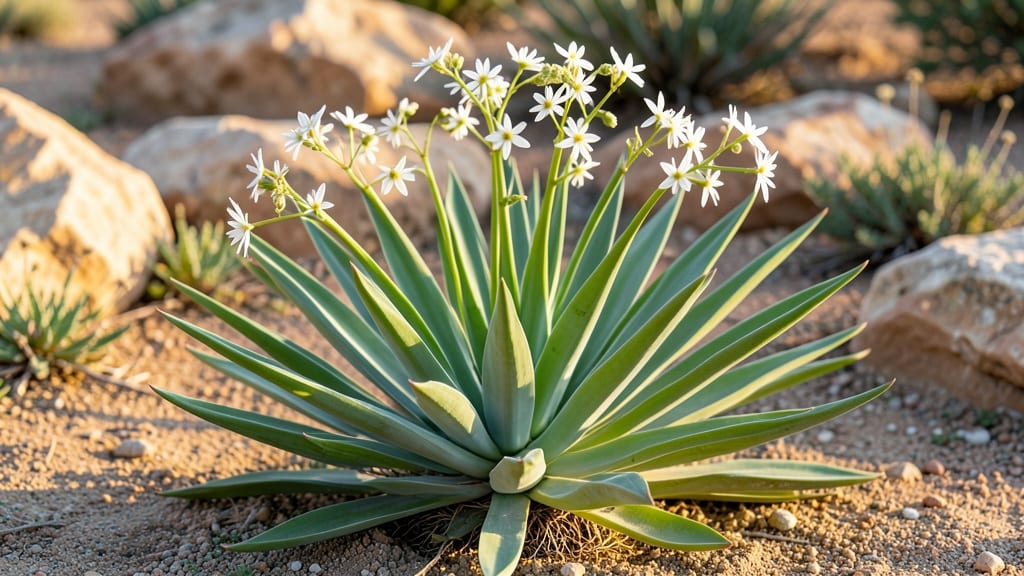
Desert-adapted bulbs, such as agave and desert lilies, follow a different schedule. Plant them in late summer (August-September) to establish roots before winter rains. These bulbs store water and thrive on neglect, making them perfect for Arizona’s low-water landscapes.
🌱 Arizona Bulb Planting Guide by Type
| Bulb Type | Planting Window | Key Consideration | Arizona Adaptation |
|---|---|---|---|
| Spring-Bloomers (Tulips, Daffodils) | October–December | Cool period needed | Use shade cloth in winter |
| Summer-Bloomers (Dahlias, Cannas) | February–March | Frost-sensitive | Pre-soak bulbs 24 hours |
| Fall-Winter Bloomers (Amaryllis, Paperwhites) | January–February | Warmth-loving | Plant in containers for flexibility |
| Desert-Adapted (Agave, Desert Lilies) | August–September | Drought-tolerant | Plant before winter rains |
⚠️ Pro Tip: Always amend Arizona soil with perlite or compost to improve drainage and moisture retention.
In low-desert areas (Phoenix, Tucson), where frost is rare, you can even plant spring bulbs in January for earlier blooms. Just monitor soil moisture closely—Arizona’s dry air can cause bulbs to dry out. Use mulch or drip irrigation to keep soil consistently moist but not soggy.
For high-elevation areas (Flagstaff, Prescott), where frost is more likely, stick to the October–December window for spring bulbs. These areas have cooler nights and may experience light frosts, so protect bulbs with row covers or straw mulch.
If you’re unsure about your local frost dates, check the National Weather Service or your local cooperative extension office. They provide hyper-local data that can save your bulbs from unexpected cold snaps.
For example, Tucson’s frost-free season is longer than Phoenix’s, so you can plant slightly later in Tucson.
Finally, container gardening is a game-changer for Arizona bulbs. Move potted bulbs to shaded patios or garages during peak summer heat (June–August) to prevent overheating. This flexibility lets you extend the growing season and protect delicate varieties like hyacinths or crocuses.
With the right timing and a few desert-smart adjustments, your Arizona bulb garden can bloom beautifully year after year, even in the harshest conditions. 🌷
How to adjust planting timing for Arizona’s extreme heat
Arizona’s 100°F+ summers can turn traditional bulb-planting advice on its head. Most gardeners plant in fall, but in our desert climate, heat stress is the real enemy. The key? Adjusting your schedule to avoid premature sprouting while still giving bulbs time to establish roots before summer’s scorching peak.
For spring-blooming bulbs like tulips and daffodils, I recommend planting in late December through January—just before the ground starts warming. This gives roots time to develop while keeping the bulbs cool enough to avoid waking up too early. Summer-blooming varieties like dahlias and cannas?
Plant them in March after the last frost threat and mulch heavily to shield them from the sun.
Here’s the secret weapon: pre-cooling. Before planting, store bulbs in your fridge’s crisp drawer (35–40°F) for 6–8 weeks to mimic winter dormancy. This trick delays sprouting until temperatures are safer. Pair this with shade cloth (30–50%) over newly planted beds to reduce soil heat by up to 15°F.
Traditional Planting vs. Arizona-Adapted
Traditional Planting
- ✅ Pros: Follows standard seasonal cues
- ✅ Pros: Works in cooler climates
- ❌ Cons: Bulbs sprout too early in Arizona heat
- ❌ Cons: Risk of rot from overwatering
Arizona-Adapted
- ✅ Pros: Delays sprouting with pre-cooling
- ✅ Pros: Uses shade cloth to reduce heat stress
- ✅ Pros: Adjusts watering for desert conditions
- ❌ Cons: Requires more planning
- ❌ Cons: Needs extra mulch for insulation
"Shade cloth is my non-negotiable—it’s the difference between wilting and thriving in Phoenix summers."
Watering is another game-changer. Instead of the usual deep soak once a week, I switch to every 10–14 days once bulbs are planted, using drip irrigation to deliver water directly to roots.
This prevents fungal issues from overhead sprinklers and mimics Arizona’s natural monsoon patterns. Pro tip: Water in the early morning (5–7 AM) to let soil dry out before the heat peaks.
For soil amendments, mix in perlite or vermiculite (20–30% by volume) to improve drainage and aeration. This prevents bulbs from sitting in soggy soil during our occasional heavy rains.
I also top-dress with 2–3 inches of straw mulch to insulate roots and retain moisture. Think of it as a desert blanket for your bulbs.
Finally, choose heat-tolerant varieties like daylilies, agave, or desert marigolds over traditional tulips if you’re pushing the limits. These thrive in 100°F+ temps and often rebloom year after year.
For classic bulbs, prioritize fall planting in higher elevations (Flagstaff, Sedona) where nights stay cooler—this buys you an extra month of safe growing time.