
Plants
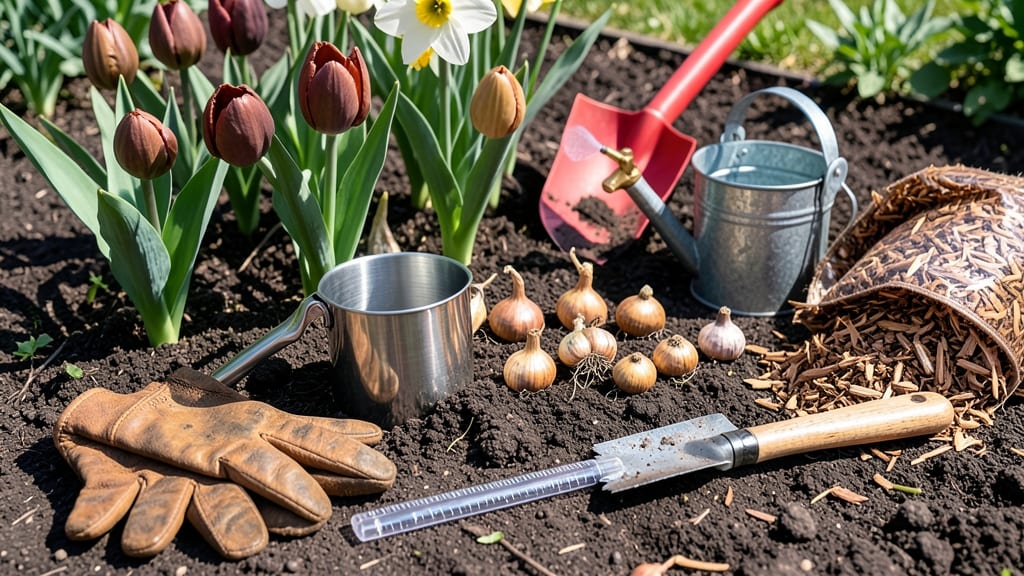
Planting spring flowering bulbs 🌷 in Phoenix isn’t just about timing—it’s about outsmarting the desert heat. Unlike cooler climates, your bulbs face 100°F+ summers, so getting them in the ground at the right moment means the difference between vibrant blooms and wilted disappointment.
Most gardeners assume fall planting works the same everywhere, but Phoenix’s Zone 9b climate demands a different approach. The key window runs from October through December, when soil temperatures cool enough for roots to establish before the real heat kicks in.
Miss this, and you’ll risk bulbs baking in the sun before they even sprout.
Here’s the game-changer: traditional tulips and daffodils often struggle here, but heat-resistant varieties like agapanthus and rain lilies thrive with minimal fuss. I’ll walk you through the exact months to plant, soil prep tricks, and watering hacks to keep your bulbs happy—even when Phoenix hits 115°F in summer.
Ready to transform your garden into a springtime paradise? Let’s dive into the step-by-step guide that’ll have your bulbs blooming like never before—without the guesswork.
Best months to plant heat-resistant bulbs in Phoenix’s climate zones
Phoenix’s USDA Zone 9b/10a climate means traditional bulb planting windows need a twist. Most gardeners in cooler zones plant in fall for spring blooms, but here, we adjust for heat tolerance and soil temperature.
The key is planting when daytime temps stay below 85°F—this gives bulbs time to root before summer’s intensity.
Fall planting (September–October) is ideal for spring-blooming bulbs like tulips and daffodils, but Phoenix’s mild winters mean we can also plant in January–February for late-winter blooms. Summer planting? Never. The extreme heat will cook bulbs before they sprout.
Here’s the breakdown: September–October for most bulbs, January–February for late bloomers, and avoid May–August entirely. Microclimates matter too—shaded areas stay cooler longer, extending your planting window by a few weeks.
| Bulb Type | Best Planting Month | Bloom Time | Soil Temp Goal |
|---|---|---|---|
| Spring Bulbs (Tulips, Daffodils) | September–October | March–April | 60–70°F |
| Summer Bulbs (Dahlias, Canas) | January–February | June–August | 65–75°F |
| Heat-Tolerant Bulbs (Rain Lilies, Agapanthus) | September–November | Year-round (varies) | 70–80°F |
| Fall Bulbs (Crocus, Sternbergia) | October–November | November–December | 55–65°F |
For spring bulbs, aim to plant by mid-October—this gives roots 8–10 weeks to establish before 100°F+ days hit. Use a soil thermometer to confirm temps are below 85°F at planting depth (usually 6–8 inches). If temps spike, wait until evening to plant and water immediately.
Phoenix’s low desert areas (like Glendale or Mesa) can be 5–10°F warmer than higher elevations (e.g., Carefree or Scottsdale). Adjust planting dates accordingly—higher elevations may tolerate late-October plantings, while low deserts should stick to September.
Pro tip: Pre-cool bulbs by refrigerating them for 4–6 weeks before planting. This mimics winter chilling and tricks bulbs into thinking they’ve had a cold season, even in Phoenix’s mild climate. Store them in a paper bag in your fridge’s crispier drawer.
Watering is critical post-planting. Bulbs need consistent moisture for root growth, but Phoenix’s evaporative heat means water can disappear in hours. Use drip irrigation or soaker hoses to deliver water slowly and deeply, aiming for 1–1.5 inches per week until shoots emerge.
Mulch with 2–3 inches of organic mulch (like straw or wood chips) to insulate soil and retain moisture. Avoid synthetic mulches—they can overheat soil in summer. Replenish mulch every 3–4 months as it breaks down.
Remember: Phoenix bulbs bloom differently. Many traditional spring bulbs (like tulips) may not rebloom yearly here due to heat stress. Focus on heat-tolerant varieties like agapanthus or rain lilies for reliable blooms.
Best months to plant heat-resistant bulbs in Phoenix’s climate zones
Phoenix’s Zone 9b climate throws a curveball for bulb lovers—traditional planting windows don’t apply here. While cooler regions plant spring bulbs in fall (September-October), Phoenix’s 100°F+ summers demand a later approach.
The ideal window shifts to October through December, when soil temps drop below 75°F and evening breezes help roots establish.
This timing ensures bulbs sprout before the March heatwave hits, giving them time to bloom in spring (March-April) before wilting. Think of it as a race against the desert sun: plant too early, and bulbs bake in the soil; too late, and they won’t flower before summer arrives.
For fall-planted bulbs, aim for October-November—this gives roots 6-8 weeks to grow before winter’s mild chill. If you’re experimenting with summer-flowering bulbs (like dahlias), plant in February-March for a May-June show, but expect more watering.
🌱 Phoenix Bulb Planting Timeline
| Season | Best Planting Months | Soil Temp Goal | Bloom Window |
|---|---|---|---|
| Fall | October–December | Below 75°F | March–April |
| Winter | January (late) | 60–70°F | April–May |
| Spring | February–March | 65–75°F | May–June |
💡 Pro Tip: Use a soil thermometer to monitor temps—ideal planting soil should be 60–70°F.
Microclimates in Phoenix add another layer of complexity. Shady spots (like under palo verde trees) can handle September planting, while full-sun areas need the later October-November window.
If you’re in a higher-elevation area (e.g., Scottsdale), you might push planting to early December—just check for first frost risks (though Zone 9b rarely sees frost).
For container gardening, plant bulbs 4–6 weeks earlier than in-ground—pots heat up faster. Use black plastic pots to absorb heat and light-colored mulch to reflect sunlight. Avoid glazed pots, which trap heat and cook bulb roots.
Remember: Phoenix bulbs need patience. Unlike cooler climates, they won’t bloom the first year—focus on root establishment and soil health. With the right timing, your garden will reward you with bold spring blooms that defy the desert heat.