
Plants
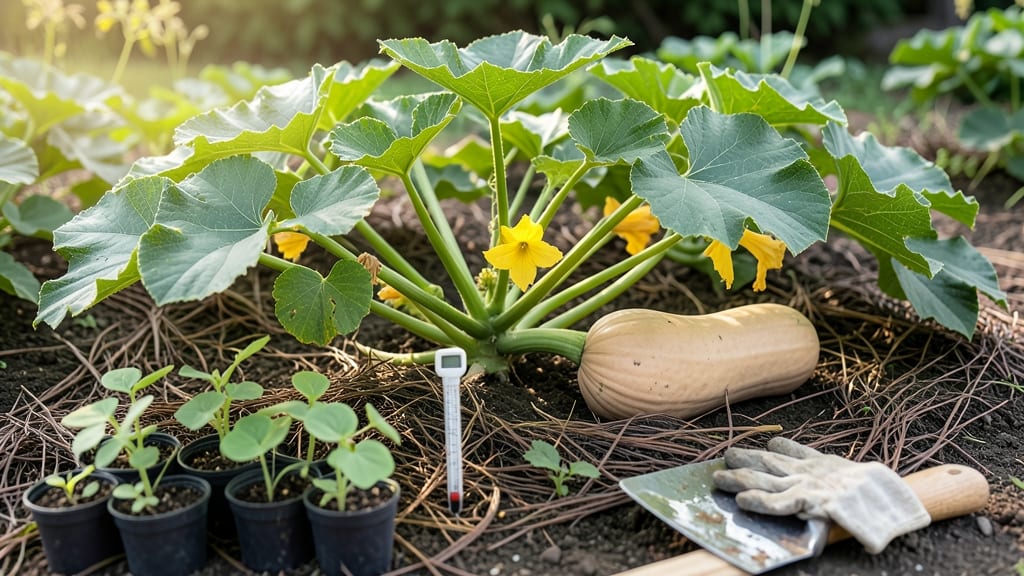
Planting butternut squash 🎃 in North Carolina at the wrong time can mean the difference between a garden full of sweet, homegrown harvests and a season of disappointment. Unlike some crops, this vine-loving squash needs warm soil and consistent heat to thrive—and NC’s diverse climate zones (from the mountains to the coast) make timing everything.
You might think "just plant after the last frost" is enough, but soil temperature matters just as much. Butternut squash roots struggle below 55°F, and even if the air warms up, cold soil can stall growth for weeks.
That’s why gardeners in Zone 6b (like Asheville) have a narrower window than those in Zone 8a (like Wilmington), where coastal breezes push back frost dates.
Here’s the good news: with the right timing, you can enjoy two harvests a year—one from spring plantings (mid-April to early June) and another from fall starts (late July to early August).
The key is knowing your county’s frost-free deadlines and adjusting for elevation. Let’s break down exactly when to get those seeds in the ground for maximum success.
Whether you’re a first-time gardener or a seasoned grower, these insights will help you avoid common pitfalls like premature wilting or stunted growth.
By the end, you’ll know not just when to plant, but how to give your butternut squash the best shot at becoming the star of your fall table.
North Carolina’s ideal planting windows for butternut squash by soil temperature
North Carolina’s climate offers two prime windows for planting butternut squash: spring and summer. The key to success lies in soil temperatures—your seeds need 55°F+ soil to germinate, with 60°F+ for optimal growth.
In Zone 7a (mountains), aim for mid-April to early May, while Zone 8a (coastal) gardeners can start as early as late March. For a fall harvest, late July to early August works best statewide.
Direct sowing is my preferred method for butternut squash in NC, but transplanting young seedlings (3-4 weeks old) can extend your season. If you’re starting indoors, transplant after the last frost and when soil warms to 65°F+.
Use a soil thermometer—it’s the only way to know for sure! Many gardeners in the Piedmont region wait until mid-May to avoid early-season cold snaps.
Here’s how to test soil readiness: Press your finger 1 inch deep—if it feels warm to the touch (like a cozy bath), it’s ready. For a data-driven approach, use a soil thermometer for 3 consecutive days at 60°F+.
In coastal NC, this often aligns with early April, while mountainous areas may need to wait until late May.
| Region | USDA Zone | Spring Planting Window | Summer Planting Window | Soil Temp Requirement |
|---|---|---|---|---|
| Mountains (Asheville) | 6b-7a | Mid-April to early May | Late July to early August | 60°F+ |
| Piedmont (Raleigh) | 7a-7b | Late March to early April | Early July to mid-July | 55°F+ |
| Coastal (Wilmington) | 8a | Early March to late March | June to early July | 60°F+ |
🌱 Note: Adjust for microclimates—valleys warm faster than hillsides.
For direct sowing, plant 1 inch deep and 2-3 feet apart in well-draining soil with full sun exposure. If you’re transplanting, harden off seedlings for 7-10 days before moving them outdoors.
In cooler mountain regions, use black plastic mulch to warm soil faster—this can shave 2-3 weeks off your planting timeline.
One common mistake I see is planting too early in Zone 7b (like Raleigh) and risking frost damage. Always check your local frost dates—the NC State Extension provides county-specific averages.
For example, Asheville’s last frost is around April 15, while Wilmington’s is March 1. Planting 2 weeks after these dates gives your butternut squash a head start.
If you’re aiming for a fall harvest, late July to early August plantings work best. This gives your squash 90-100 days to mature before first frost (typically November 15 in Zone 7).
In Zone 8a, you can push it to early September for a winter harvest. Just be prepared to cover plants with frost cloth if temperatures dip below 32°F.
Pro tip: In hot, humid NC summers, consider shade cloth (30-50%) to protect young plants from heat stress. This is especially critical in coastal areas where temperatures can soar above 90°F. Pair this with drip irrigation to keep foliage dry and reduce powdery mildew risk.
Remember, butternut squash is a warm-season crop, so patience pays off. Rushing the process—like planting in cool, wet soil—can lead to rot or poor germination. Use a seedling heat mat if you’re in a rush, but I recommend waiting for ideal conditions for the best results.
North Carolina’s ideal planting windows for butternut squash by soil temperature
Butternut squash 🎃 loves warmth, and in North Carolina, that means waiting for soil temperatures to hit at least 55°F—but ideally 60°F+—before planting. Cold soil slows germination and weakens roots, leading to stunted vines and poor yields.
If you’ve ever planted too early and watched your seeds rot or sprout weakly, you know the frustration.
Most NC gardeners start seeds indoors 4-6 weeks before the last frost to give seedlings a head start. For example, in Zone 7b (like Raleigh), that means sowing seeds indoors by mid-March and transplanting outdoors by mid-April.
But in Zone 8a (coastal areas like Wilmington), you can direct-sow outdoors as early as late February if the soil is warm enough.
Here’s the catch: elevation matters. Mountain regions like Asheville (Zone 6b) have later frost dates, so you’ll need to wait until late April or early May to plant. Meanwhile, coastal areas can start earlier. Always check your local frost-free averages—they’re your best guide.
| Region | USDA Zone | Soil Temp Requirement | Planting Window | Notes |
|---|---|---|---|---|
| Mountains (Asheville) | 6b | 60°F+ | Late April–Early May | Wait for soil to warm; use black plastic mulch |
| Piedmont (Raleigh) | 7b | 55°F+ | Mid-April–Early June | Transplant seedlings for earlier harvest |
| Coastal (Wilmington) | 8a | 50°F+ | Late February–Early April | Direct-sow or start indoors; watch for humidity |
To test soil temperature, use a soil thermometer (available at garden centers for under $10). Stick it 2 inches deep in the ground on a sunny morning—if it reads below 55°F, wait a few more days.
Black plastic mulch can warm the soil 5-10°F faster, giving you an earlier start in cooler zones.
For a fall harvest, aim to plant seeds outdoors by late July to early August. This gives squash enough time to mature before the first frost, which typically hits mid-November in Zone 7 and early December in Zone 8.
Fall plantings often yield sweeter squash because cooler nights enhance flavor.
Pro tip: If your soil stays cool past June 1, consider container growing with heat mats. Containers warm up faster and let you control soil temperature—perfect for urban gardeners or high-elevation areas where the ground stays chilly longer.