
Plants
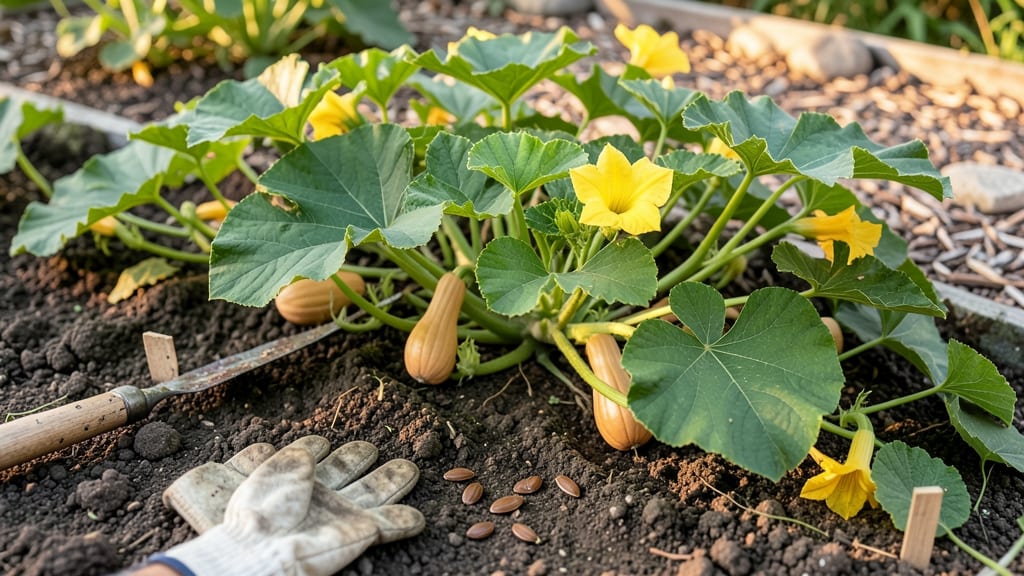
When to plant butternut squash seeds in the UK isn’t just about following a calendar—it’s about catching that sweet spot between soil warmth and frost-free days that make all the difference. Plant too early, and your seeds will rot in cold soil; too late, and you might miss the harvest window entirely.
Most UK gardeners aim for late April to early June, but the real secret lies in waiting until the soil hits at least 15°C (59°F)—a rule that varies from Cornwall’s milder microclimates to Scotland’s cooler edges.
Even a single late frost can set back your crop, so knowing your local frost dates is non-negotiable.
This guide cuts through the guesswork, giving you regional planting windows, soil prep tips, and even tricks to extend your growing season with cloches or greenhouses.
Whether you’re a first-time grower or a seasoned gardener, you’ll leave here with a clear plan to turn your patch into a butternut squash powerhouse.
Let’s get your seeds in the ground at the perfect moment—because in the UK, timing is everything when it comes to a successful harvest.
UK butternut squash planting dates by region: soil temperature & frost risks
Timing your butternut squash seeds correctly in the UK means accounting for soil temperature (minimum 15°C/59°F) and frost-free periods. The last frost date varies dramatically—from early April in Cornwall to late May in Scotland—so regional planning is key to avoiding frost damage or stunted growth.
In England and Wales, aim to plant between mid-April and early June, with May being the sweet spot for most areas.
Southern regions like Cornwall or Kent can start as early as late April, while Midlands or Yorkshire should wait until late May to ensure warm soil and stable temperatures.
For Scotland and Northern Ireland, push planting to late May or early June—these areas often face late frosts into May, and butternut squash seeds won’t germinate in cold soil. Even in warmer microclimates (like coastal areas), monitor nighttime temperatures to avoid chilly soil.
🌱
| Region | Last Frost Date | Optimal Planting Window | Soil Temp Threshold | Key Risk |
|---|---|---|---|---|
| South England (Cornwall, Kent) | Early April | Late April–May | 15°C+ (early May) | Late heatwaves |
| Midlands (Birmingham, Nottingham) | Mid-May | Late May–early June | 15°C+ (late May) | Unpredictable frosts |
| Scotland (Edinburgh, Glasgow) | Late May | Early–mid June | 15°C+ (June) | Short growing season |
| Northern Ireland (Belfast) | Early May | Late May–June | 15°C+ (late May) | Cool summers |
Use a soil thermometer to confirm warmth—butternut squash seeds won’t germinate below 15°C. In cooler regions, consider black plastic mulch to warm soil faster or start seeds indoors 4–6 weeks before your last frost date.
If you’re in a high-altitude area (e.g., Lake District or Scottish Highlands), opt for faster-maturing varieties like 'Waltham Butternut', which can tolerate slightly cooler soils. Always plant after the last frost warning—check the Met Office frost forecast for your area.
For container growing, plant 2–4 weeks later than outdoor dates since pots warm up more slowly. Place containers in a south-facing spot and use heat-retaining fabric around the base to help maintain optimal soil temperature.
🌡️
Pro tip: Stagger your planting by 2–3 weeks to extend your harvest window. If you plant all seeds at once, you risk overcrowding and uneven ripening.
For example, in London, plant half in late May and half in early June to spread out your harvest timeline from October to November.
Finally, watch for early autumn frosts—butternut squash needs 100–120 days to mature, so plan accordingly. In northern UK, you may only get one harvest per season, so prioritize soil health and pest prevention to maximize yields.
How to prepare your UK garden for butternut squash: soil, spacing & sunlight needs
Butternut squash loves well-draining soil with a pH between 6.0–7.0. In the UK, where clay-heavy soils are common, mix in compost or well-rotted manure to improve drainage and fertility.
A soil test kit (available for under £10) can confirm your pH—aim for neutral to slightly acidic conditions for best results.
Choose a sunniest spot in your garden, as butternut squash needs 6+ hours of direct sunlight daily. In the UK’s cloudier regions, like Scotland or Northern Ireland, prioritize south-facing walls or raised beds to maximize warmth.
Even in sunnier areas like Cornwall, avoid shaded corners where vines struggle to thrive.
When planting, space seeds 60–90cm apart in rows 1.5m apart to give vines room to sprawl. In small UK gardens, consider vertical trellises or container growing (use 20L+ pots) to save space. Just ensure containers have drainage holes—waterlogged roots lead to rot.
Mulch around plants with straw or grass clippings to retain moisture and suppress weeds. In the UK’s variable weather, this is crucial—mulch keeps soil 5–10°C warmer in spring and protects vines from sudden autumn frosts. Replenish mulch every 4–6 weeks as it breaks down.
Companion planting boosts yields in UK gardens. Pair butternut squash with nasturtiums (repel pests) or bush beans (fix nitrogen). Avoid planting near potatoes or pumpkins, which compete for nutrients and attract similar pests like squash vine borers.
Finally, harden off seedlings gradually if starting indoors. UK spring nights can still dip below 10°C (50°F) even in May—acclimate plants to outdoor conditions over 7–10 days before transplanting. This toughens vines for the UK’s unpredictable weather.