
Plants
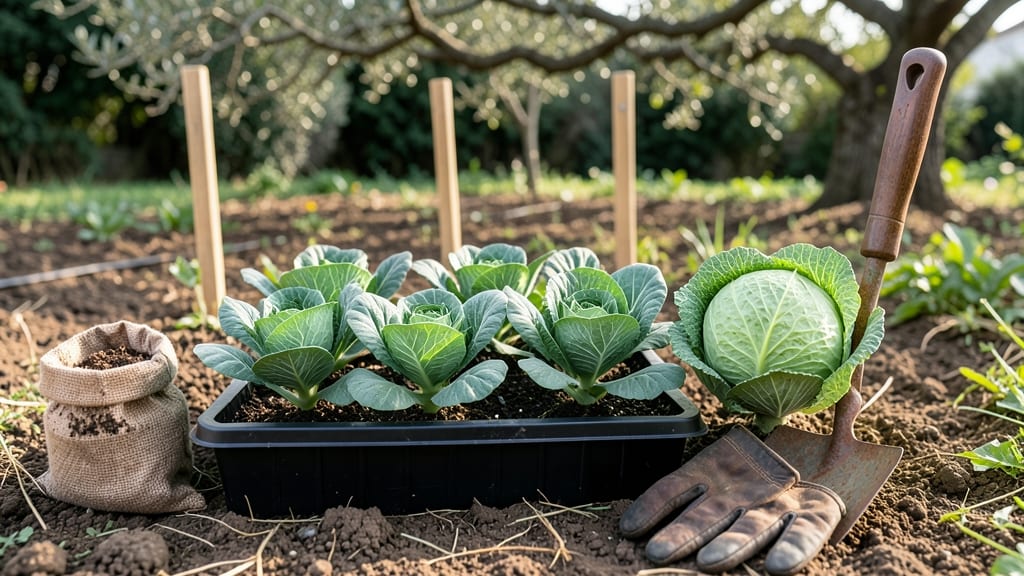
Timing your 🥬 cabbage planting in California can feel like solving a puzzle—too early, and coastal fog stunts growth; too late, and inland heat sends plants bolting. But with the right schedule, you’ll enjoy crisp heads from spring through winter, no matter where you garden.
California’s climate zones throw a curveball: coastal areas like Santa Barbara thrive with fall plantings, while inland valleys need summer prep for October–December harvests. The key? Understanding your USDA zone (8–10) and microclimates—foggy mornings vs. baking afternoons—that dictate when to sow seeds or transplant seedlings.
I’ve grown cabbage in both coastal and Central Valley gardens, and the difference is night-and-day. Skip the guesswork: learn the exact windows for your region, from August–October for fall crops to February–March for spring, plus how to adjust for heat or chill.
Your next harvest starts with these simple steps.
Ready to avoid bitter-tasting heads or wasted effort? Let’s break down the perfect planting calendar tailored to your backyard’s unique conditions—whether you’re battling coastal dampness or inland heat waves.
Optimal cabbage planting calendar for California’s coastal regions
Coastal California—think San Francisco, Santa Barbara, and Monterey—offers year-round cabbage growing thanks to mild winters and cool summers. Unlike inland areas, you won’t face extreme heat, but timing still matters to avoid bitter flavors or premature bolting.
The key? Planting in fall and early spring when temperatures stay between 50°F–75°F.
For coastal gardeners, August through October is prime for fall cabbage, while February to March sets up a spring harvest. The USDA Zone 9-10 climate here means no frost risk, but soil temperatures below 50°F can delay germination.
Use a soil thermometer to confirm readiness before sowing seeds or transplanting seedlings.
🌱
| Planting Window | Best Varieties | Soil Temp for Germination | Harvest Time | Notes |
|---|---|---|---|---|
| August–September | Green Towers, Golden Acre | 50°F–70°F | October–December | Fall varieties thrive in cool, damp coastal air. |
| February–March | Early Jersey Wakefield, Red Express | 55°F–65°F | April–June | Spring planting avoids summer heat stress. |
| October (late) | Summer Crisp, Savoy | 50°F–60°F | December–February | Overwintering works in coastal microclimates. |
If you’re direct-sowing seeds, aim for 6–8 weeks before your target harvest. For example, to enjoy Christmas cabbage, sow seeds by late October. Coastal gardeners can also transplant seedlings year-round, but avoid summer months (June–August) when temperatures exceed 75°F, causing bolting.
For container growing, use 5-gallon pots with well-draining soil and fertilize every 3–4 weeks with a balanced 10-10-10 mix. Coastal areas benefit from morning sun and afternoon shade to prevent leaf scorch.
💧
One coastal-specific tip: Mulch heavily with straw or wood chips to retain moisture and prevent soil-borne diseases like clubroot. The foggy marine layer keeps humidity high, so space plants 18–24 inches apart for air circulation and fungus prevention.
For succession planting, sow new seeds every 2–3 weeks from August through March to ensure a continuous harvest. This works especially well for baby cabbage varieties like Miniature Drumhead, which mature in just 50–60 days.
🌿
Pro tip: Test your soil pH before planting—coastal soils often lean alkaline (7.0+). Cabbage prefers 6.0–7.0, so amend with sulfur or peat moss if needed. A soil test kit (available at garden centers) makes this easy and saves you from nutrient deficiencies later.
Finally, protect young seedlings from slugs and snails, which thrive in coastal humidity. Use copper barriers or organic slug bait like iron phosphate to keep your cabbage crisp and intact.
Inland California cabbage planting: heat tolerance and summer varieties
Inland California—think Central Valley, Los Angeles, or the desert edges—presents unique challenges for growing 🥬 cabbage. Unlike coastal areas, these zones face intense summer heat that can send your cabbage bolting (flowering prematurely) or turning bitter.
But with the right heat-tolerant varieties and timing, you can still enjoy crisp heads from October through December.
The key? Start preparing in late summer (August) by selecting bolting-resistant varieties like ‘Golden Acre’ or ‘Red Express.’ These types handle 90°F+ temperatures better than standard cabbage. Plant seeds indoors 6–8 weeks before transplanting to give seedlings a head start before the September heat peaks.
- 📅 August: Start seeds indoors (use heat mats if needed). Choose ‘Golden Acre’ or ‘Red Express’ varieties.
- 🌱 Late August–Early September: Harden off seedlings. Transplant outdoors after soil temps drop below 85°F.
- 💧 September–October: Mulch heavily with straw or wood chips to retain moisture and cool roots.
- 🌿 October–November: Thin seedlings to 18–24 inches apart for proper head formation.
- ✂️ November–December: Harvest before heads split. Expect 70–90 days to maturity.
Mulching is non-negotiable in inland zones. A 3–4 inch layer of straw keeps soil cool and moist, mimicking the cooler coastal conditions cabbage craves. Water deeply in the early morning to reduce evaporation, and avoid overhead sprinklers, which can spread fungal diseases like downy mildew.
If you’re in a USDA Zone 8 area (like the Central Valley), aim to transplant seedlings by mid-September. This gives them 8–10 weeks of cooler weather to mature before winter chills set in. For Zone 9–10 (e.g., coastal edges of LA), you can push transplanting to early October.
Heat stress is your biggest enemy, but with these adjustments, you’ll bypass the bitter-taste trap and enjoy cabbage that’s as sweet as it is crisp. Start early, mulch like your life depends on it, and watch your fall harvest thrive—even in the hottest inland microclimates.