Plants
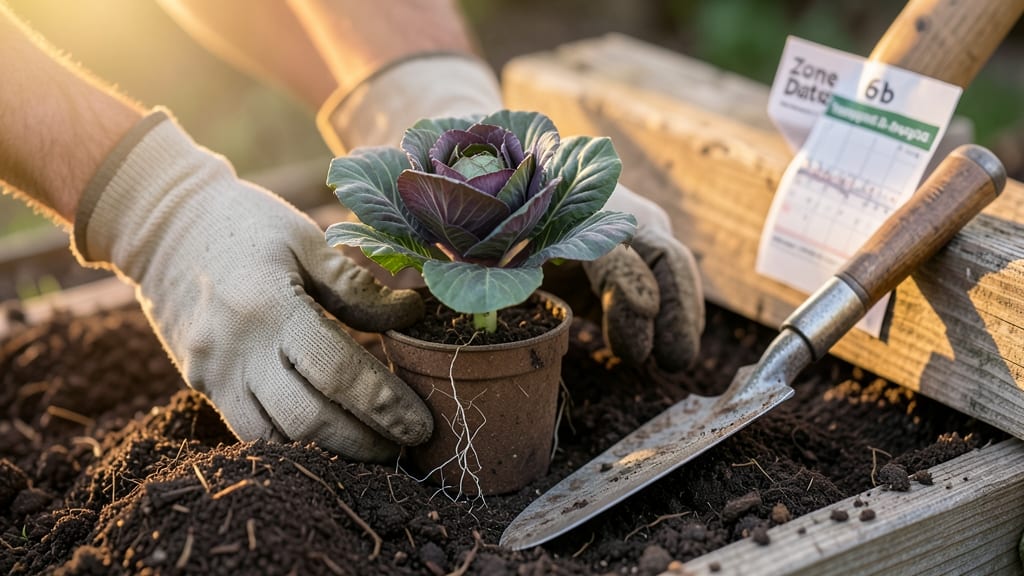
Timing your cabbage 🥬 planting in Zone 6b isn’t just about the calendar—it’s about outsmarting the climate to avoid bitter, bolting plants. Get the weeks wrong, and you’ll end up with seed pods instead of crisp heads, no matter how well you care for them.
Zone 6b’s unpredictable frosts and swinging temperatures make this the difference between a thriving harvest and wasted effort. I’ve grown cabbage here for years, and the exact planting windows I’ve perfected will save you from common mistakes that derail even experienced gardeners.
Want to know the precise 4-6 week window before your last frost date that guarantees sweet, firm heads? Or how to stretch your season into fall without bolting?
Let’s dive into the science-backed schedule that works for Zone 6b’s unique climate—so you can enjoy homegrown cabbage from June through October.
From choosing the right varieties to adjusting for early or late frosts, I’ll walk you through every step to maximize your yield. No more guesswork—just a foolproof plan for cabbage success in your garden.
Zone 6b cabbage planting schedule: exact weeks before frost to avoid bolting
In Zone 6b, cabbage thrives when planted at precise times to avoid bolting—the bitter, premature flowering that ruins harvests. The last frost date (around April 15) and first frost date (around October 15) are your anchors.
For spring plantings, aim for 4-6 weeks before the last frost, while fall plantings should start 8-10 weeks before the first frost.
Cabbage grows best in cool weather (50–75°F) and struggles when soil temperatures rise above 80°F.
In Zone 6b, this means avoiding early spring plantings if the ground stays cold or late summer plantings if heat arrives early. Direct-sowing and transplanting each have ideal windows, and choosing the right variety (like Greenbow or Golden Acre) can help you dodge bolting risks.
Here’s your Zone 6b cabbage planting timeline to maximize yields and avoid common pitfalls:
| Planting Window | Action | Notes |
|---|---|---|
| Early Spring (Direct-Sow) | March 15–April 1 | Sow seeds 4-6 weeks before last frost. Use row covers if nights dip below 40°F. |
| Early Spring (Transplant) | April 1–April 15 | Transplant 4-6 weeks before last frost. Harden off seedlings for 7-10 days. |
| Late Summer (Direct-Sow) | August 1–August 15 | Sow 8-10 weeks before first frost. Choose bolting-resistant varieties like Tendercrisp. |
| Late Summer (Transplant) | August 15–September 1 | Transplant 6-8 weeks before first frost. Use black plastic mulch to warm soil. |
| Succession Planting | Every 2–3 Weeks (Spring/Fall) | Stagger plantings for continuous harvests. Stop 8 weeks before first frost. |
For spring cabbage, prioritize direct-sowing in March if your soil warms quickly.
If nights linger below 50°F, opt for transplants in early April to avoid stunted growth. Leaf cabbage varieties (like Red Express) tolerate warmer soil better than heading types, making them ideal for late spring or early fall.
In fall, focus on late August plantings to harvest before hard frosts. Use shade cloth in September if temperatures climb above 85°F, as heat accelerates bolting. Cold-hardy varieties such as January King can survive light frosts and extend your season.
Soil temperature is critical: cabbage seeds won’t germinate below 40°F, and transplants suffer if soil stays below 55°F. Test your soil with a soil thermometer—if it’s too cold, delay planting or use black plastic mulch to warm it faster.
Overheating soil (above 80°F) triggers bolting, so avoid planting in July.
Pro tip: In Zone 6b, succession planting every 2–3 weeks from March to August ensures a steady supply. Space seeds 12–18 inches apart for heading cabbage or 6–12 inches for leaf varieties. Thin seedlings to avoid overcrowding, which stresses plants and invites pests like cabbage worms.
Harvest timing matters too: most cabbage varieties mature in 75–100 days. In Zone 6b, this means June–July for spring plantings and October–November for fall plantings. Pull heads when they’re firm and dense, before buds form—this ensures crisp, sweet flavor instead of bitter, fibrous leaves.
🌱
Zone 6b cabbage planting schedule: exact weeks before frost to avoid bolting
In Zone 6b, your last average frost date is around April 15, but don’t rely on averages—check your local microclimate patterns for adjustments. For spring cabbage, aim to plant 4-6 weeks before your last frost, typically between March 15 and April 1.
This timing ensures seedlings mature before summer heat triggers bolting.
For fall cabbage, your goal is to harvest before the first frost (October 15). Start seeds indoors 8-10 weeks before transplanting, usually in late July, or direct-sow by mid-August. Fall cabbage thrives in cooler temps but needs 60-75 days to mature—don’t cut it too close!
Here’s your Zone 6b cabbage planting schedule broken down by method and variety:
| Planting Window | Method | Varieties | Days to Maturity | Notes |
|---|---|---|---|---|
| March 15–April 1 | Direct-sow or transplant | Golden Acre, Early Jersey Wakefield | 60–75 days | Best for early harvests |
| Mid-August | Direct-sow | Red Express, Savoy | 70–85 days | Heat-tolerant; harvest before frost |
| Late July (indoors) | Transplant | Super Sweet 100, Copenhagen Market | 80–90 days | Ideal for fall harvests |
If your soil stays cold past April 1, delay planting until soil temps reach 45°F—cold soil slows germination and invites rot. Use a soil thermometer to check; cabbage seeds need consistent warmth to sprout evenly. For transplants, wait until nighttime temps stay above 50°F.
Pro tip: Succession plant every 2 weeks in spring for a staggered harvest. In fall, avoid planting after August 20—late starts risk bolting before frost. Use shade cloth in peak summer to protect seedlings from heat stress, which accelerates bolting.
For leafy cabbage varieties (like Chinese cabbage), you’ve got more flexibility—plant as late as September 1 for a fall harvest. But for head cabbage, stick to the 4-6 week window rule to dodge bolting and ensure crisp, market-ready heads.