Plants
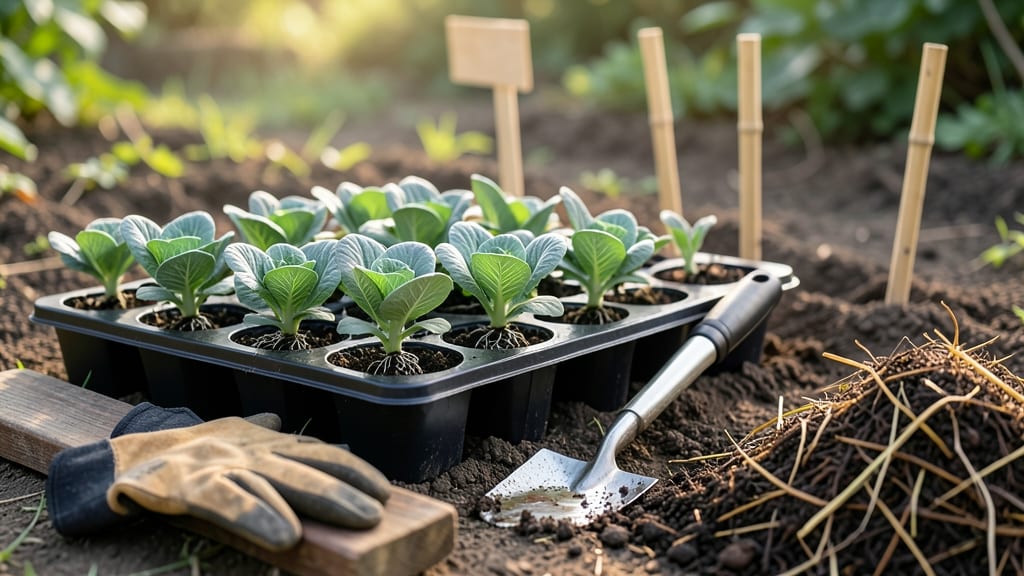
Knowing when to plant cabbage in Indiana can mean the difference between a bountiful harvest and wasted effort. With the right timing, you can grow crisp, flavorful 🥬 heads that thrive in Hoosier summers and survive early frosts.
But plant too early, and your cabbage might bolt before you even get a chance to harvest—leaving you with bitter, inedible leaves instead of the tender greens you crave.
Indiana’s USDA Zone 6a climate gives you two prime windows to grow cabbage: spring and fall. The key is working with your local frost dates—typically around April 15 for the last spring frost and October 15 for the first fall frost.
Whether you’re a seasoned gardener or just starting, getting these dates right will help you avoid common pitfalls like bolting or frost damage.
In this guide, I’ll break down the exact planting schedule for Indiana’s hardiness zones, including soil prep tips and variety recommendations to keep your cabbage growing strong. You’ll learn how to stretch your growing season, choose the best varieties for your climate, and even troubleshoot common issues before they start.
Let’s get your garden set up for success!
Ready to grow cabbage that’s bolting-free and packed with flavor? The first step is timing—and I’ve got the exact schedule you need to make it happen. Let’s dive in!
Indiana cabbage planting deadlines by hardiness zone (avoid bolting & frost damage)
Indiana’s USDA zones 5a–6b create a unique challenge for cabbage growers—cool springs and hot summers demand precise timing. Plant too early, and bolting (premature flowering) steals your harvest. Too late, and frost stunts growth or kills plants entirely. My zone-specific deadlines below prevent these pitfalls while maximizing your 60–100-day varieties.
Most Indiana gardeners focus on spring plantings, but fall cabbage often yields sweeter heads. The key? Start seeds 4–6 weeks before your last frost date (typically April 15 in most zones) or transplant hardened-off seedlings by March 15.
For fall, aim to harvest before the October 15 average first frost by sowing seeds July 15–August 15.
Here’s how to align your planting with Indiana’s microclimates—whether you’re in northern zone 5a (colder) or southern zone 6b (warmer). The 10-day window differences matter for avoiding heat stress or early frost.
| Zone | Last Frost | Spring Planting Window | Fall Planting Window | Transplant Deadline | Harvest Window |
|---|---|---|---|---|---|
| 5a (Northern IN) | April 20 | March 1–March 15 | July 1–July 15 | April 1–April 15 | June–July & Oct–Nov |
| 5b (Central IN) | April 15 | March 15–April 1 | July 15–August 1 | April 1–April 20 | June–July & Oct–Nov |
| 6a (Southern IN) | April 10 | March 20–April 10 | July 20–August 10 | April 10–April 25 | June–July & Oct–Nov |
| 6b (Extreme South) | April 5 | March 25–April 15 | July 25–August 15 | April 15–May 1 | June–July & Oct–Nov |
Notice how the transplant deadline shifts 10 days later in zone 6b? That’s critical—warmer southern Indiana soil heats up faster, risking bolting if you plant too early. Use shade cloth for seedlings in hot zones to buy time.
For direct sowing (planting seeds outdoors), add 2–3 weeks to these deadlines. Seeds need 40–50°F soil temps to germinate, so wait until mid-April in northern zones or early April in southern Indiana. Pro tip: Soak seeds overnight before sowing to speed germination.
Indiana’s summer heat (75°F+) triggers bolting, so avoid planting cabbage after May 15 for spring crops. Instead, focus on fall plantings—they thrive in cooler 70°F temps. Use row covers to extend fall harvests into November if you’re in zone 6b.
One common mistake? Assuming all cabbage varieties have the same timeline. Fast-maturing varieties (like ‘Red Express’) can handle later plantings, while slow varieties (like ‘Wisconsin All-Head’) need early starts. Always check the days-to-maturity on seed packets and adjust deadlines accordingly.
Finally, monitor your local microclimate. Urban areas like Indianapolis can be 5°F warmer than
How to extend Indiana’s cabbage growing season (fall planting hacks for zero waste)
Fall cabbage planting in Indiana can be tricky—get it right, and you’ll enjoy fresh 🥬 harvests well into November. Get it wrong, and you’ll watch your plants bolt or wilt under early frost.
The key is working with Indiana’s USDA Zone 6a climate, where average first frost hits around October 15. With the right strategies, you can push harvests 2–4 weeks later, maximizing your garden’s potential.
One of my favorite tricks is using row covers or low tunnels to protect plants from light frosts. These simple tools can add 4–6°F of warmth, delaying frost damage until late November.
For example, I’ve grown ‘January King’ cabbage well into December using a lightweight row cover—just remove it during the day to prevent overheating.
Another game-changer is choosing cold-hardy varieties like ‘Wisconsin All-Head’ or ‘Savoy King.’ These varieties tolerate cooler temperatures better than standard types, giving you a longer harvest window. Pair them with well-draining soil enriched with compost, and your cabbage will thrive even as temperatures dip.
Timing is everything—aim to plant fall cabbage 8–10 weeks before your first frost. In Indiana, that means sowing seeds indoors by July 1 or transplanting seedlings by July 15. For direct sowing, start seeds outdoors around July 20 to ensure they mature before cold snaps arrive.
Don’t forget to mulch heavily around plants in late September to insulate roots from temperature swings. Straw or shredded leaves work perfectly and help retain soil moisture. I’ve also had success with black plastic mulch, which warms the soil slightly and speeds up early growth—just remove it before harvest.
If you’re pushing the limits, consider a mini greenhouse or cold frame for your most precious plants. These structures can add 10–15°F of protection, letting you harvest cabbage well into December. Just
With these strategies, you’ll turn Indiana’s shorter growing season into a zero-waste cabbage bonanza. Whether you’re saving seeds, composting scraps, or simply enjoying fresh harvests, extending your fall planting window is one of the most rewarding parts of gardening in this climate. Happy planting! 🌿