
Plants
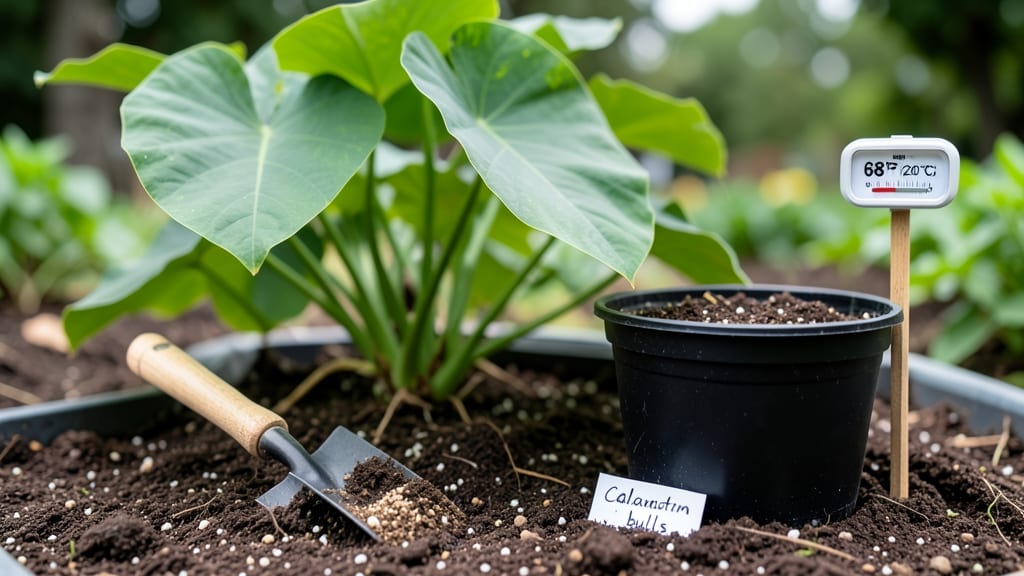
If you're dreaming of stunning, heart-shaped leaves that thrive in Alabama's heat, timing your caladium bulb planting just right is the secret to success. These tropical beauties 🌿 love warmth, but planting too early can leave them struggling when frosty nights still linger.
Alabama's 7b-8b climate gives you a narrow window—typically between mid-April and May—when soil temperatures finally hit that sweet spot of 65°F or warmer. Waiting too long risks missing out on their vibrant foliage display before summer's peak.
I'll show you exactly how to read your local cues—whether it's watching for the last frost date or testing soil warmth—to plant at the perfect moment. With the right timing, your caladiums will reward you with bold, colorful leaves all summer long.
Ready to transform your garden? Let's dive into the heat-loving schedule that'll have your caladiums thriving when Alabama's sun is at its strongest.
Ideal planting windows for caladium bulbs in Alabama’s climate zones
Alabama’s diverse climate means caladium bulbs thrive best when planted at slightly different times depending on your region. In Northern Alabama (USDA Zones 7b), where frosts linger until mid-April, aim for late April to early May after soil temperatures consistently reach 65°F.
Meanwhile, Southern Alabama (Zones 8a-8b) gardeners can start as early as mid-March to April, as warmer soils arrive sooner.
The key is soil warmth, not just air temperature. Caladiums won’t sprout until the ground reaches 65°F at 4-inch depth. Use a soil thermometer to check—this is your green light to plant.
In Alabama’s humid summers, early planting (before May) risks leaf rot from excessive moisture, while delaying past June may stunt growth due to heat stress.
For container gardening, which is ideal for urban Alabama yards, you can plant 2-4 weeks earlier than ground planting. Containers warm up faster and give you more control over drainage. Just ensure pots have drainage holes and use a lightweight potting mix with added perlite.
Pro Tip: If you’re in Central Alabama (like Birmingham or Montgomery), monitor local frost forecasts—late frosts can still occur in early April. Wait until two weeks after your area’s average last frost date to be safe.
🌱 Caladium Planting Timeline for Alabama
| Region | USDA Zone | Ideal Planting Window | Soil Temp Requirement | Key Cue |
|---|---|---|---|---|
| Northern AL (Huntsville, Decatur) | 7b | Late April–Early May | 65°F+ at 4" | After last frost (avg. April 15) |
| Central AL (Birmingham, Montgomery) | 8a | Mid-March–April | 65°F+ at 4" | When day temps stay above 70°F |
| Southern AL (Mobile, Dothan) | 8b | February–March | 60°F+ at 4" | When azaleas bloom |
| Containers (Anywhere) | All | 2–4 weeks earlier | 65°F+ at 4" | Pots warm faster than ground |
Alabama’s humidity and summer heat make caladiums a perfect fit, but the first 30 days after planting are critical. During this time, mulch heavily with straw or pine needles to retain moisture and regulate soil temperature.
Avoid synthetic mulches like black plastic—they can overheat the soil and stress young tubers.
If you’re pushing the limits and planting in late May or June, choose heat-tolerant varieties like ‘White Queen’ or ‘Candidum’, which handle Alabama’s 90°F+ afternoons better than delicate types. Just be prepared for slower initial growth as the plants acclimate to heat.
For urban gardeners with limited space, hanging baskets or window boxes work beautifully. Plant 2-3 tubers per 12-inch pot and place them in dappled shade (like under a porch awning). This mimics the forest-floor conditions caladiums love, shielding them from Alabama’s intense afternoon sun.
Remember: Caladiums are not frost-hardy, so never plant outdoors before your area’s last frost date. In Northern Alabama, this can mean waiting until May—patience pays off with bold, vibrant foliage all summer long. If you’re unsure, start tubers indoors in late
Ideal planting windows for caladium bulbs in Alabama’s climate zones
Alabama’s diverse climate zones mean your planting window can shift by weeks depending on where you live. In northern Alabama (Zone 7b), like Huntsville or Decatur, wait until mid-to-late April when nighttime temperatures consistently stay above 50°F.
Meanwhile, in southern Alabama (Zone 8b), such as Mobile or Dothan, you can plant as early as late March if your soil warms quickly.
The key is soil temperature, not just air temperature. Caladium tubers need soil that’s at least 65°F—any cooler, and they’ll rot before sprouting. Use a soil thermometer to check; if it’s below 65°F, wait another week.
This rule applies statewide, but southern gardeners often get a 2-3 week head start over their northern neighbors.
For urban gardeners in cities like Birmingham or Montgomery, microclimates can further refine your timing. Areas near pavement or buildings may warm faster, while shaded spots lag behind.
If you’re unsure, use row covers to protect early plantings from unexpected late frosts—though caladiums can’t handle frost, even a light freeze will kill them.
| Zone | Ideal Planting Window | Soil Temp Threshold | Key Cue |
|---|---|---|---|
| 7b (North AL) | Mid-to-late April | 65°F+ | Last frost date + 2 weeks |
| 8b (South AL) | Late March–early April | 65°F+ | Azalea blooms signal safety |
| Urban Microclimates | Adjust ±1 week | 65°F+ | Test soil with thermometer |
Don’t stress if you miss the ideal window—caladiums are forgiving. You can plant through early June, though late plantings may not reach their full foliage potential before Alabama’s first fall chill.
For a two-season display, some gardeners plant a second batch in late summer (August) for fall color, though this requires extra care to protect tubers from early frosts.
Pro tip: Mark your calendar for May 10–20 as the sweet spot for most of Alabama. By then, the risk of frost is minimal, and soil temperatures are reliably warm. This timing ensures your caladiums get a full 6-month growing season to showcase their show-stopping leaves.
Remember, patience pays off. Rushing to plant in cool soil leads to mushy tubers and wasted money. Take the time to check your soil—your future garden’s vibrant foliage will thank you! 🌿