
Plants
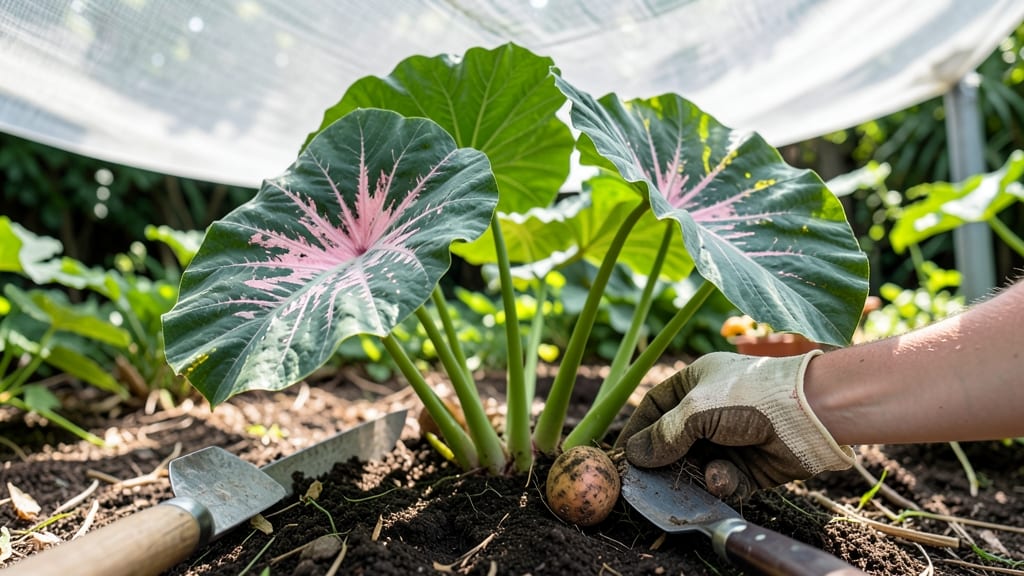
When to plant caladium bulbs in Houston is the key to unlocking vibrant, heat-loving foliage that thrives all summer long. Plant too early, and you risk stunted growth from lingering cool spells; too late, and you’ll miss the full bloom potential these tropical beauties offer. With Houston’s Zone 9a climate, the window for planting is narrow but critical—get it wrong, and your garden could end up with wilted leaves instead of stunning heart-shaped patterns.
Most gardeners in Houston start planting their 🌿 Caladium bulbs between February and March, once the soil warms to at least 60°F and frost risk fades completely. But here’s the catch: urban areas like downtown Houston can hit 90°F by May, while suburban spots stay cooler longer.
That means your exact planting time might shift depending on where you live—and whether you’re prepping containers or garden beds.
What you’ll discover in this guide is how to read Houston’s microclimates like a pro, from pre-soaking bulbs to adjusting for early heatwaves.
Whether you’re a first-time planter or a seasoned gardener, these practical tips will help you avoid common mistakes—like planting too soon and triggering fungal issues—and maximize your Caladium’s show-stopping potential.
Ready to transform your garden into a lush, foliage-filled oasis? Let’s dive into the exact schedule, soil prep, and care tricks that’ll keep your Caladiums thriving from spring through summer—and maybe even beyond.
Houston’s ideal caladium planting timeline: month-by-month heat zones
Houston’s humid subtropical climate (USDA Zone 9a) means caladium bulbs thrive when planted after the last frost risk—typically mid-February to early March. Unlike northern regions, Houston’s early heatwaves can scorch tender bulbs if planted too soon, while late planting risks stunted growth before summer’s peak.
Let’s break down the optimal timeline for Houston’s urban and suburban microclimates.
Urban areas like Downtown Houston often experience heat islands with soil warming 2-3 weeks earlier than suburban zones. Use a soil thermometer to confirm 60°F+ soil temps—the critical threshold for caladiums.
Suburban areas (e.g., Katy or Sugar Land) may wait until late March if spring stays cool. Always prioritize well-draining soil to prevent rot in Houston’s heavy clay.
For container gardening, Houston gardeners can plant 2-3 weeks earlier (late January) since pots warm faster. Use black plastic mulch to raise soil temps 5-10°F in cooler spells. Varieties like ‘White Queen’ tolerate Houston’s heat better than ‘Flamingo’, which may need afternoon shade in June-August.
Pro tip: Chit bulbs indoors 4-6 weeks before planting by placing them in a bright, warm spot (70°F). This jumpstarts growth and gives you a 2-week head start on the season. Just avoid overwatering—rot is caladiums’ #1 enemy in Houston’s damp springs.
If you’re in a shadier microclimate (e.g., under oak trees), plant 1-2 weeks later to avoid soggy soil. Test your spot’s moisture by digging a 6-inch hole—if it’s still damp after 24 hours, delay planting.
Houston’s summer humidity (often 80%+) means caladiums will thrive with consistent moisture, but never waterlogged conditions.
Remember: Caladiums are foliage plants, not bloomers, so focus on leaf color and size. In Houston, they’ll reward you with bold pinks, whites, and reds from May through October—just don’t let them bake in 100°F+ afternoons. A lightweight shade cloth (30%) can save them during heatwaves.
For year-round success, mark your calendar for November 1st—that’s when Houston’s first frost risk appears. Dig up bulbs, dry them, and store in a cool, dark place (50-60°F) until next February. This simple step ensures your caladiums return bigger and bolder every season.
🌿
5 Signs you’re planting caladiums too early (and how to fix it)
Planting caladium bulbs too early in Houston’s unpredictable spring can turn your dream foliage into a sad, wilted mess. The biggest red flag? Slow or no sprouting after 4-6 weeks—even when soil seems warm.
This happens because Houston’s soil can stay below 60°F well into March, especially in shaded or clay-heavy areas. Without consistent warmth, bulbs refuse to grow, leaving you with wasted time and money.
Another classic mistake is yellowing leaves that appear soft or mushy. This isn’t just bad timing—it’s a fungal warning sign. Houston’s high humidity combined with cool, damp soil creates the perfect storm for root rot or bacterial soft rot.
If you see this, your bulbs may already be compromised, and replanting might be your only option.
🌱 Did You Know? Caladiums need at least 65°F soil temps to thrive. Use a soil thermometer to check—if it’s cooler, wait. Patience now prevents heartbreak later.
⚠️ Warning: Houston’s Hidden Risks
Planting too early exposes caladiums to:
- Fungal infections from damp soil
- Stunted growth due to cool temps
- Wasted bulbs that rot before sprouting
Fix it: Wait until soil reaches 65°F and use black plastic mulch to warm beds faster.
If your bulbs sprout but collapse under their own weight, they’re likely overcrowded or planted too shallow. Houston gardeners often rush to plant bulbs too close together, thinking they’ll fill in later.
Instead, space them 8-12 inches apart and plant 4-6 inches deep—this gives roots room to establish before the heat hits.
For container gardeners, slow drainage is a silent killer. If your pots stay soggy, caladiums will protest with drooping leaves or blackened stems. Always use pots with drainage holes and a well-draining mix (50% potting soil, 30% perlite, 20% compost).
Pro tip: Add a handful of orchid bark to improve aeration.
Finally, watch for pale, weak foliage that lacks the bold colors you expect. This usually means your plants are nutrient-starved because cool soil locks up phosphorus and potassium—key nutrients for vibrant leaves.
If you’ve planted too early, hold off on fertilizer until soil warms. Once temps stabilize, feed with a balanced 10-10-10 fertilizer to jumpstart growth.
Remember: Houston’s Zone 9a climate is forgiving once you hit the right window. By mid-March, most areas are safe—just monitor soil temps and adjust. Your caladiums will reward you with show-stopping foliage all summer long. 🌿