
Plants
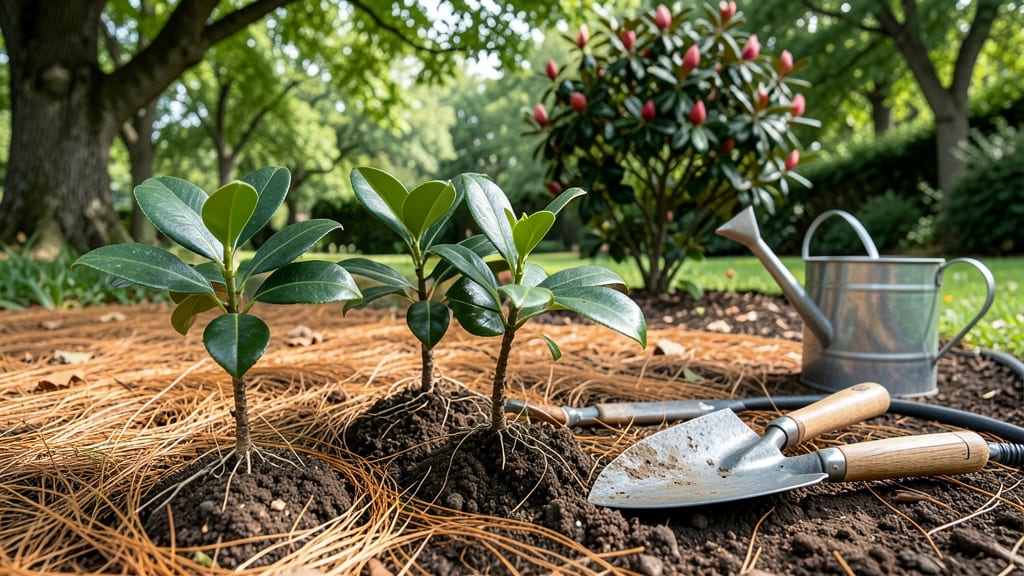
Planting camellias in North Carolina at the wrong time can mean no blooms—or worse, a shock of early buds that never open. The key to success?
Matching your variety to chill hours and timing it right between late summer and early spring, when the soil is cool but not frozen.
North Carolina’s 6b-8a zones bring unique challenges, from mild winters in the coast to frostier highlands.
Unlike generic advice, I’ll break down exactly when to plant your camellia—whether it’s a sasanqua that thrives in 400 chill hours or a japonica needing 1,200+—plus how to avoid the dreaded "bolt risk" that turns buds into leaves.
You’ll learn the perfect window for your region, soil prep tricks to mimic camellias’ native acidic conditions, and post-planting care that keeps them flourishing. No more guesswork—just vibrant blooms from spring to winter.
Let’s get your 🌸 camellias planted the right way, so you can enjoy those showstopping flowers for years without the frustration.
NC camellia planting calendar by chill-hour zones
North Carolina’s diverse chill-hour zones (400-1,200 hours) mean your camellia’s success hinges on matching variety to climate. Planting at the wrong time risks bolt—when buds form too early and freeze. Let’s break down the perfect windows for each NC zone to ensure vibrant, frost-free blooms.
Most NC gardeners thrive with sasanqua camellias (400-600 chill hours) or low-chill japonicas (600-800 hours). High-chill varieties (900+ hours) struggle in Zone 7b-8a, where winters are milder. The ideal planting months are late summer to fall (August-October) or early spring (March-April), but timing shifts with your zone.
Here’s your NC chill-hour planting guide, tailored to prevent bolt while maximizing root establishment before winter. Sasanqua camellias (like ‘Bonanza Pink’) bloom in fall/winter and handle NC’s mild winters best, while japonicas (like ‘Yuletide’) need careful chill-hour matching.
For Zone 8a gardeners (e.g., Raleigh, Fayetteville), August planting gives roots time to establish before winter chill.
In cooler Zone 7b (Asheville, Boone), wait until September to avoid early bolt from warm October temps. Mountain zones (1,000+ hours) can plant as late as May, but prioritize spring-blooming varieties like ‘Spring’s Promise’.
If you’re in Zone 7b or higher, fall planting is ideal—just ensure soil temps stay above 60°F for root growth. Spring planting (March-April) works for high-chill varieties, but rush it, and your camellia may bolt prematurely.
Always amend soil with peat moss to maintain acidic pH (5.0-6.0), critical for NC’s clay-heavy soils.
Pro tip: Container-grown camellias can plant 2 weeks later than bare-root, as their roots are less stressed. Just water deeply after planting and mulch with pine straw to retain moisture. Bare-root plants need immediate watering to re-establish root contact with soil.
Watch for early bud formation in late fall—a classic bolt warning. If you see buds in November, your plant may need shade cloth or winter mulch to delay blooming. Sasanquas are your best bet for Zone 8a’s mild winters, while japonicas shine in cooler Zone 7b.
Timing isn’t just about months—it’s about chill hours. Use your local Cooperative Extension Service data to pinpoint your exact chill hours. For example, Charlotte (Zone 8a) averages 550 chill hours, while Asheville (Zone 7b) hits 750 hours. Match your variety to
Signs your camellia is getting bolt risk (and how to fix it)
If your camellia starts budding too early—often in late summer or fall—it’s likely suffering from bolt risk, a condition where buds form prematurely and fail to open. In North Carolina’s warming winters, this happens when plants receive insufficient chill hours or experience inconsistent temperatures.
Watch for leaf drop, stunted growth, or buds that swell but never bloom—these are classic red flags.
Bolt risk isn’t just frustrating; it weakens your plant over time. The good news? You can prevent and fix it with simple adjustments. Start by mulching heavily around the base (3-4 inches of organic mulch) to insulate roots and maintain steady soil temperatures.
For varieties like japonica camellias, which need 1,000+ chill hours, consider adding a lightweight frost blanket during cold snaps to protect buds.
🌱 Visual Element: Callout Warning
⚠️ Bolt Risk Warning Signs
- 🌱 Early buds forming by August/September
- 🍂 Leaf drop or yellowing foliage
- 🌡️ Stunted growth despite proper care
- 🌸 Buds swell but don’t open into flowers
🔧 Quick Fix: Apply anti-desiccant spray (like Wilt-Pruf) to protect buds from drying winds.
Another trick is to prune back early buds in late summer, redirecting the plant’s energy toward root growth instead of flowering. For sasanqua camellias, which tolerate 400-600 chill hours, this is less critical, but pruning still encourages stronger stems.
Pair this with drip irrigation to avoid soil moisture fluctuations, which can trigger stress-induced bolting.
If your camellia is already showing bolt risk, don’t panic. Adjust your care routine immediately: reduce afternoon sun exposure (move to partial shade if possible) and avoid fertilizing until spring. Overhead watering can also worsen the issue, so switch to soaker hoses or deep watering at the base.
These changes can reset your plant’s growth cycle and improve next year’s blooms.
For long-term protection, choose low-chill varieties like ‘Yuletide’ or ‘Sweet Dreams’ if you’re in NC’s Zone 7b or warmer. These hybrids are bred to handle NC’s 500-800 chill hours without bolting.
Pair them with acid-loving soil amendments (like peat moss or pine needles) to mimic their native conditions. With these adjustments, you’ll eliminate bolt risk and enjoy reliable, stunning blooms every season.
🌿 Remember, camellias are resilient—they just need consistent care and the right conditions. By acting at the first sign of bolt risk, you’ll save your plant’s energy and set it up for healthier growth and bigger blooms next year.