
Flowers
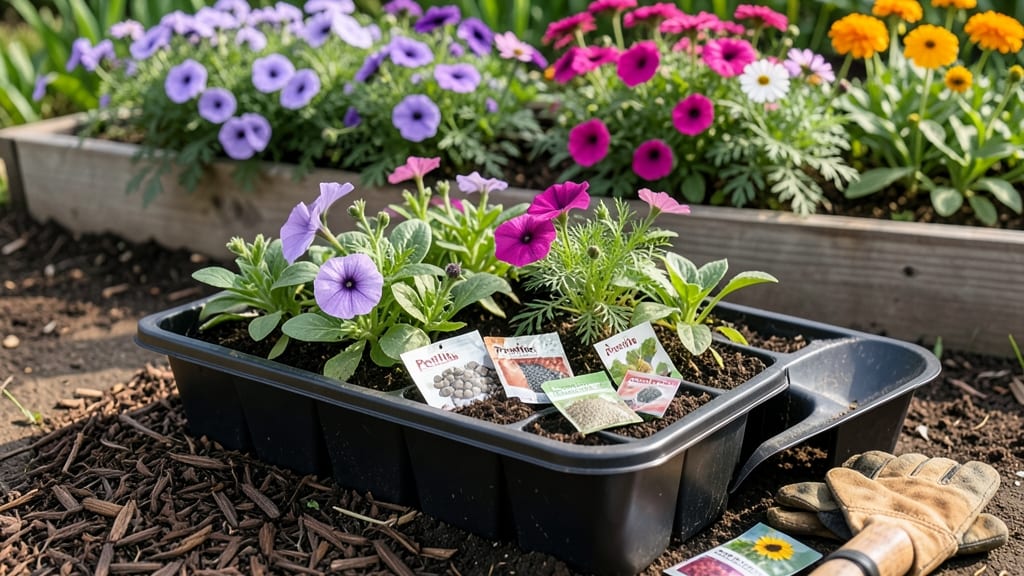
Timing your Flowers 🌸 planting in North Carolina isn’t just about picking a month—it’s about outsmarting the state’s unpredictable climate shifts. One wrong move, and your vibrant blooms could wilt before they even take root, leaving you staring at a garden that’s more sad than stunning.
From the coastal plains where breezes linger longer to the mountain regions where frost sneaks in earlier, North Carolina’s 6a-8b zones demand precision.
Whether you’re dreaming of spring pansies or fall marigolds, planting too early or too late can turn your hard work into a lesson in patience instead of a burst of color.
Here’s the game-changer: microclimate mastery. We’ll break down the exact windows—spring’s March-April rush and fall’s September-October reset—plus how to tweak your schedule based on whether your yard bakes in the sun or stays cool in the shade.
Ready to skip the guesswork? Let’s turn your North Carolina garden into a year-round showstopper, one perfectly timed bloom at a time.
North Carolina’s frost-free planting zones: when to plant flowers by region
North Carolina’s diverse USDA zones (5a-8b) create a patchwork of planting windows that can confuse even seasoned gardeners. The Coastal Plain enjoys earlier springs, while the Mountains cling to summer-like conditions until late May.
For most of the state, the last frost date falls between March 15 (Piedmont) and April 15 (Coastal), but these averages shift dramatically with elevation.
Annuals like marigolds and petunias thrive when planted 2-3 weeks after your local last frost, while perennials such as black-eyed Susans can go in the ground as early as February in Zone 8b.
Bulbs, however, demand a cooler soil—plant tulips in October-November to ensure they bloom before summer’s heat sets in.
Here’s how to match your yard to the right planting window:
| Region | USDA Zone | Last Frost Date | Best Planting Window | Notes |
|---|---|---|---|---|
| Coastal Plain | 8a-8b | March 15–April 1 | March–April (spring), September–October (fall) | Humid summers; prioritize drought-tolerant varieties. |
| Piedmont | 7a-7b | March 1–March 15 | April–May (spring), August–September (fall) | Moderate climate; ideal for perennials and bulbs. |
| Mountains | 5a-6b | April 15–May 1 | May–June (spring), July–August (fall) | Cooler temps; extend season with row covers. |
| Urban Areas | Varies (often 7a-8a) | March 15–April 1 | March–April (containers), September (ground) | Heat islands delay frost; use self-watering pots. |
If you’re in Zone 8b (Coastal), you can plant tender annuals like geraniums as early as February, but hold off in Zone 5a (Mountains) until late May.
The key is watching soil temperature—most seeds need 60°F+ to germinate, while cool-season crops like pansies thrive below 75°F.
For bulbs, the rule flips: plant in fall (September–November) so they establish roots before winter. Daffodils and crocuses are hardy enough for Zone 5a, but tulips need Zone 6b+ for reliable blooms. Pro tip: Use a soil thermometer to confirm 50°F soil temps before planting bulbs.
In urban NC, microclimates can shift planting windows by 2-4 weeks. South-facing walls radiate heat, while shady courtyards mimic mountain conditions.
Test your yard’s frost pockets by placing a thermometer in a shallow dish of water overnight—if temps drop below 32°F, delay planting tender species until after May 1.
Native NC flowers like black-eyed Susan and butterfly weed are your best bet for low-maintenance success. They’ve evolved to thrive in local climates, so their planting windows align perfectly with natural rainfall patterns.
For non-natives, like petunias or impatiens, stick to the post-last-frost guideline and mulch heavily to retain moisture.
Remember: Fall planting (August–October) gives flowers a head start on root growth before winter. Perennials like coneflowers planted in September often bloom earlier the next spring than those planted in spring. The secret? Cooler soil temps reduce transplant shock.
🌸
Microclimate secrets: adjusting planting months for your NC yard
Your North Carolina yard isn’t a one-size-fits-all garden—it’s a patchwork of microclimates where a sunny border can bake while a shaded corner stays cool. These tiny ecosystems shift your planting windows by weeks, even within the same zip code.
For example, a south-facing slope might warm up 2-3 weeks earlier than a north-facing garden nook, giving heat-loving marigolds a head start while frost-sensitive pansies need extra protection.
Start by mapping your yard’s sun exposure. A full-sun area (6+ hours of direct light) can handle tender annuals like zinnias as early as mid-February in the Piedmont, while partial-shade spots (3-6 hours of sun) should wait until late March to avoid leggy, weak stems.
Use a sun gauge or observe where shadows fall at 10 AM and 2 PM—these are your planting cues.
Soil drainage is another game-changer. Clay-heavy soils in the Coastal Plain stay wet longer, delaying spring planting until mid-April to prevent root rot in bulbs like tulips. Meanwhile, sandy soils in the Mountains dry out faster, letting you plant drought-tolerant lavender as early as early March.
Amend heavy clay with compost or perlite to speed up warming, and add organic mulch to retain moisture in sandy areas.
- 🔥 Sun-Baked Spots: Plant heat-lovers (e.g., lantana, salvia) 2 weeks early (Feb 15–March 1). Use lightweight mulch to prevent soil overheating.
- 🌳 Shady Corners: Delay shade-tolerant flowers (e.g., impatiens, ferns) until April 1 to avoid cold snaps. Opt for slow-releasing fertilizer to boost root growth.
- 🌊 Coastal Breezes: Extend fall planting to mid-October—salt air delays frost. Choose wind-resistant varieties like black-eyed Susans or coreopsis.
- ⛰️ Mountain Slopes: Plant frost-hardy perennials (e.g., coneflowers, bee balm) by late April to escape late frosts. Use rock mulch to insulate roots.
- 🏙️ Urban Heat Islands: City sidewalks radiate heat, so plant heat-sensitive annuals (e.g., petunias) in May instead of April. Increase watering to 2x weekly during heatwaves.
Don’t overlook wind exposure. Gardens near open fields or large trees experience windburn, which can dry out young seedlings. Shield tender geraniums or snapdragons with burlap windbreaks or plant them near hedges to create a micro-shelter.
In the Mountains, cold air pools in low spots, so avoid planting frost-sensitive bulbs (like dahlias) in valleys—opt for higher elevations where air circulates better.
Mulch isn’t just for weeds—it’s a season-extender. Apply 3–4 inches of straw or shredded leaves in late winter to warm soil faster in spring. For fall planting, use dark mulch (like black plastic or compost) to trap heat and protect winter pansies from early frosts.
Just avoid piling mulch against stems to prevent rot—keep it 2–3 inches away from the base.
Pro tip: Test your microclimate before planting. Bury a thermometer in soil at 4-inch depth for a week to track temperature swings. If your garden soil stays below 50°F for more than 2 weeks, delay planting heat-loving flowers until soil warms.
For cooler-climate flowers (like columbines), soil temps above 45°F are ideal—so monitor closely in March and November.