Planting
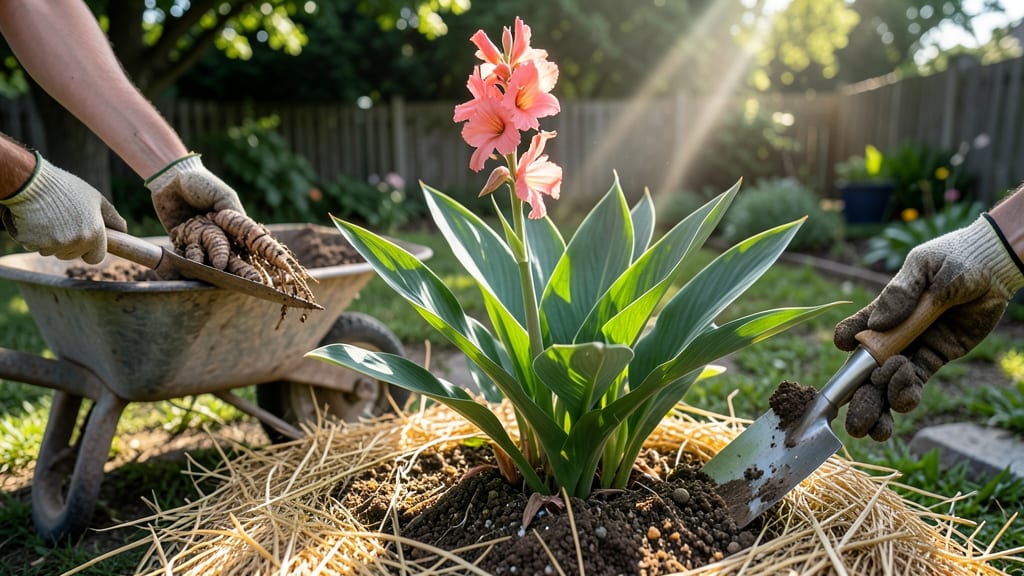
If you've ever dreamed of adding dramatic, tropical blooms to your garden but missed the window for planting canna bulbs, don’t worry—knowing when to plant canna bulbs in spring is easier than you think.
The key isn’t just waiting for spring; it’s knowing when your soil is truly ready to welcome 🌺 Canna Lilies in USDA Zone 6.
Planting too early can leave your bulbs sitting in cold soil, while waiting too long might mean your garden misses peak bloom season. I'll show you exactly how to check soil temperature and recognize those perfect conditions—so you can get those vibrant canna lilies thriving by summer.
You'll also discover how to prepare your planting site for maximum success, including soil amendments that help these tropical plants feel right at home. With the right approach, you could be enjoying 4-6 foot tall cannas with bold foliage and stunning flowers by July.
Let's dive into the simple steps that'll have your canna lilies growing strong and blooming beautifully all season long—no guesswork required.
Perfect spring planting timeline for canna bulbs based on climate zones
Timing your canna bulb planting right ensures those dramatic tropical blooms appear when you want them. Since cannas thrive in warm soil (60°F+), planting too early risks frost damage, while waiting too late may delay summer color.
Let's break down the perfect planting windows by USDA climate zones to maximize your canna's potential.
Canna lilies are heat-loving plants that won't tolerate cold soil.
In USDA Zone 7, where frost lingers until mid-April, wait until late May when soil warms consistently above 60°F. Meanwhile, in Zone 11, where winters are mild, you can plant as early as mid-March—just avoid planting during unexpected cold snaps.
Here's the key rule: Plant cannas only after your last frost date AND when soil temperature reaches 60°F for at least 5 consecutive days. This ensures strong root establishment before summer heat arrives. In cooler zones (7-9), use black plastic mulch to warm soil faster if needed.
| USDA Zone | Last Frost Date | Ideal Planting Window | Soil Temp Threshold | Pro Tip |
|---|---|---|---|---|
| Zone 7 | Mid-April | Late May - Early June | 60°F+ for 5 days | Use black plastic mulch to warm soil faster |
| Zone 8 | Early April | Mid-April - May | 60°F+ for 3 days | Plant after azalea blooms |
| Zone 9 | Late February | March - April | 55°F+ for 5 days | Start bulbs indoors 4 weeks early |
| Zone 10 | None (mild winters) | February - March | 50°F+ for 3 days | Plant after desert willows bloom |
| Zone 11 | None (tropical) | Mid-March - April | 55°F+ consistently | Plant after palm fronds unfurl |
For Zone 6 gardeners, consider starting canna bulbs indoors in biodegradable pots 6-8 weeks before your last frost. This head start gives them time to establish roots before transplanting. Just be sure to harden off seedlings gradually to avoid transplant shock.
In hotter climates (Zones 10-11), you can plant cannas as early as February, but watch for unexpected cold snaps. If nighttime temps drop below 40°F, protect young plants with frost cloth or move containers to sheltered areas.
Canna bulbs are surprisingly resilient once established, but young shoots need protection.
One common mistake is planting cannas too shallow in cooler zones. In USDA Zone 7, bury bulbs 3-4 inches deep to protect them from temperature swings. In warmer zones, 2 inches deep is sufficient. The rhizomes naturally rise as they grow, so don't worry about over-deep planting.
Pro tip: Use a soil thermometer to check temperatures before planting. If your soil hasn't reached 60°F after your last frost, wait another week. Rushing can result in stunted growth or even bulb rot. Patience now means bigger blooms later!
Remember, cannas are perennial in warm climates but often treated as annuals in cooler zones. If you live in Zone 8 or warmer, you can plant cannas in late summer (August-September) for fall blooms. Just adjust your soil temperature check to 55°F
How to test soil temperature & prepare beds for canna bulbs
Before you even think about digging into the soil, testing soil temperature is the single most important step for planting canna bulbs successfully. These tropical plants won’t thrive in cold soil, and planting too early can leave your bulbs sitting there for weeks, waiting for warmth.
I’ve learned the hard way—last spring, I planted mine in early April, and they barely sprouted until June! The key is patience and precision.
You’ll need a soil thermometer (they’re cheap and worth every penny). Stick it 4-6 inches deep—this is where your canna bulbs will sit—and check the temperature. Canna bulbs need soil that’s at least 60°F to start growing properly.
In most regions, this happens 2-4 weeks after your last frost date, but timing varies widely. For example, in USDA Zone 7, you might be ready by late April, while Zone 9 gardeners could plant as early as March.
If your soil isn’t warm enough yet, don’t rush—wait another week or two. You can use black plastic mulch or even a simple layer of cardboard covered with straw to speed up soil warming.
This trick works wonders in cooler climates, giving your cannas a head start without risking frost damage. I’ve seen soil temperatures rise by 10°F in just 5 days with this method!
Step-by-Step Guide to Preparing Your Planting Site
- ✅ Test Soil Temperature: Use a soil thermometer to confirm soil is 60°F+ at 4-6 inches deep.
- ✅ Choose the Right Spot: Select a location with full sun (6+ hours daily) and well-draining soil.
- ✅ Loosen the Soil: Dig a hole 2-4 inches deep (twice as wide as the bulb) and mix in compost or aged manure.
- ✅ Amend for Tropical Plants: Add a handful of sand or perlite to improve drainage—cannas hate soggy roots!
- ✅ Mulch After Planting: Cover with 2-3 inches of mulch to retain moisture and regulate soil temperature.
Once your soil is ready, it’s time to prepare the planting bed. Cannas love rich, slightly acidic soil (pH 6.0–7.0), so if your soil is heavy clay or sandy, amend it with compost and organic matter.
I like to add a 5-10-10 fertilizer at planting time to give my cannas a nutrient boost. Avoid fresh manure—it can burn the bulbs and cause rot. Instead, opt for well-aged compost or a slow-release granular fertilizer.
When it comes to planting depth, most gardeners make the mistake of burying canna bulbs too deep. The general rule is to plant them 2-4 inches deep, with the eyes (growth points) facing upward.
In warmer climates (Zones 9–11), you can plant them shallower (1-2 inches) since they thrive in heat. In cooler zones (7–8), go deeper to protect them from late frosts. Pro tip: If you’re unsure, plant them shallow at first—you can always cover them with more soil later if needed.
After planting, water deeply to settle the soil and encourage root growth. Avoid overwatering, though—cannas prefer consistent moisture but hate soggy conditions. A good rule of thumb is to water once a week (or more in extreme heat) and always in the morning to reduce fungal risks.
Within a few weeks, you should see those first shoots popping through the soil, signaling that your cannas are off to a great start!
One common mistake I see is planting cannas too close together. Give each bulb 18-24 inches of space to allow for their mature size (up to 6 feet tall!). Crowding leads to competition for nutrients and increases the risk of fungal diseases.
If you’re planting in containers, use a large pot (at least 12 inches wide) with drainage holes to prevent root rot.