
Plants
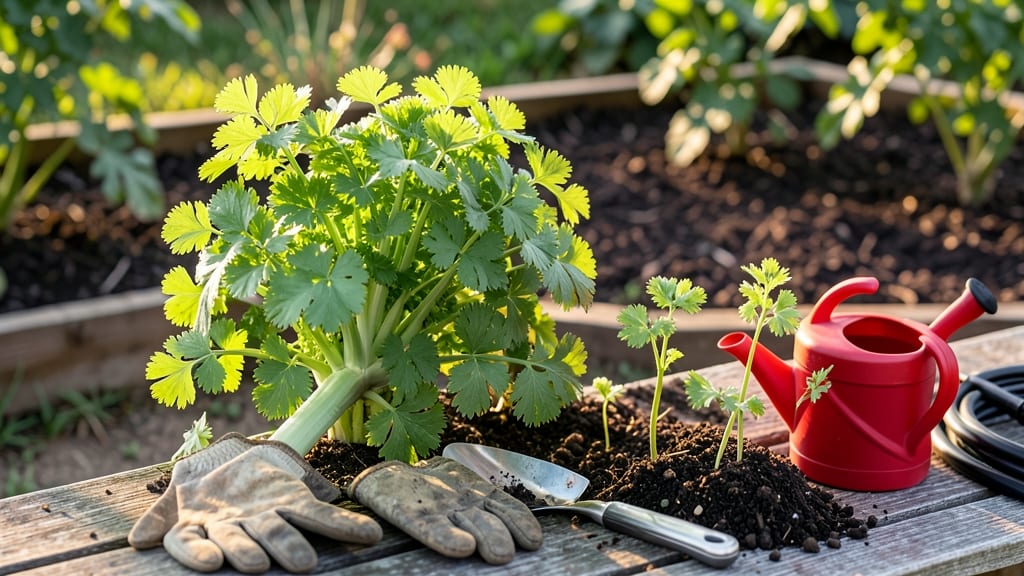
Best months to plant celery in Florida (heat-tolerant schedule)
Celery thrives in Florida’s cool-season months when temperatures stay between 60°F and 75°F. The key planting windows are fall (August–October) and winter (January–February), avoiding the brutal summer heat that triggers bolting.
North Florida’s cooler microclimates allow for slightly earlier plantings, while South Florida’s humidity demands extra shade and moisture.
For direct sowing, scatter seeds ¼-inch deep in well-draining soil, spacing them 6 inches apart. Start indoors 6–8 weeks before your target outdoor date to give seedlings a head start. Transplants should be 4–6 inches tall with a well-developed root system for best survival.
Regional adjustments matter: North Florida (Zones 8–9) can plant as early as late July, while Central (Zone 10) waits until mid-August, and South Florida (Zone 11) sticks to September–October to escape summer’s intensity. Timing is critical—plant too late, and your celery will bolt before harvest.
🌱
| Region | Best Planting Window | Method | Key Tip |
|---|---|---|---|
| North Florida (Zones 8–9) | Late July–August (fall) or January (winter) | Direct sow or transplant | Use shade cloth in summer |
| Central Florida (Zone 10) | Mid-August–September (fall) or February (winter) | Transplant seedlings | Mulch heavily to retain moisture |
| South Florida (Zone 11) | September–October (fall) or March (winter) | Transplant with shade | Avoid summer planting entirely |
Spring plantings are risky but possible in North Florida if you start seeds in March and provide afternoon shade. However, most Florida gardeners focus on fall and winter for reliable harvests. Aim to harvest by June (fall plantings) or November (winter plantings) before summer’s heat sets in.
To extend your growing season, use row covers or low tunnels in winter to protect from unexpected cold snaps. In South Florida, year-round production is possible with shade cloth and consistent moisture, but yields will be smaller and less crisp.
Always test your soil’s pH (6.0–7.0) and amend with compost or aged manure before planting. Florida’s sandy soils drain too quickly, so add organic matter like peat moss or coconut coir to improve water retention. A thick mulch layer (2–3 inches) helps regulate soil temperature and reduces weeds.
💧
For container growing, use large pots (12+ inches deep) with well-draining potting mix. Water daily in summer and every other day in winter, ensuring the soil never dries out.
Containers heat up faster, so place them in partial shade during peak afternoon sun. Dwarf varieties like ‘Utah Improved’ work best in pots, producing harvestable stalks in 90–120 days.
Monitor your celery for bolting signs (tall flower stalks) if temperatures rise above 80°F. If this happens, harvest immediately or use the leaves in soups before the stalks become bitter. With the right timing and care, you’ll enjoy crisp, homegrown celery straight from your Florida garden!
Top heat-tolerant celery varieties for Florida gardens (ranked by success)
Not all celery varieties thrive in Florida’s humid heat. The best performers are slow-bolting types that tolerate 75°F–85°F temperatures and high humidity. My top picks for Florida gardens are ‘Tall Utah’, ‘Golden Self-Blanching’, and ‘Utah Improved’, each with unique advantages for the Sunshine State’s climate.
These varieties resist flowering prematurely and produce crisp, flavorful stalks even in challenging conditions.
🌱
‘Utah Improved’ is my #1 recommendation for Florida gardens because it bolts less than other varieties and produces thick, crisp stalks in 90–120 days. It’s also dwarf-friendly, making it ideal for container growing in small spaces. For self-blanching celery that requires less trimming, ‘Golden Self-Blanching’ is a great choice—its light green stalks stay tender even in humid conditions.
If you’re growing celery for commercial sales or large-scale harvests, ‘Tall Utah’ delivers the highest yield and holds up well in Florida’s heat if planted in fall or winter.
However, it’s slightly more disease-prone, so rotate crops annually and practice crop rotation to prevent soil-borne pathogens like celery mosaic virus.
For container gardens, opt for ‘Utah Improved’ or ‘Golden Self-Blanching’—both thrive in 12-inch-deep pots with well-draining mix. Avoid ‘Tall Utah’ in containers, as its taller stalks can become top-heavy and flop over. Always use lightweight potting soil and water daily in summer to prevent wilting.
💧
To maximize success