
Plants
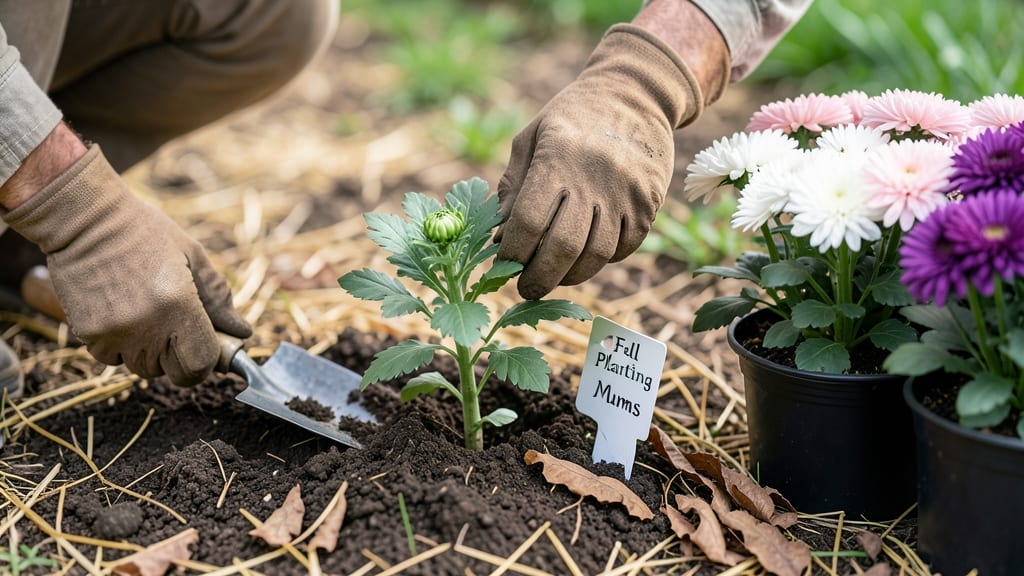
Planting your 🌼 chrysanthemums at the perfect fall moment means the difference between a garden bursting with color and one that struggles to survive.
The key to vibrant blooms next season starts with timing—specifically, 6-8 weeks before your first frost, when the soil is still warm enough for roots to establish.
If you're in USDA Zone 6a, that window typically opens in early September and closes by mid-October. But here's the catch: planting too early risks leggy, weak stems, while waiting too late can leave your chrysanthemums vulnerable to frost before they root.
I'll show you exactly how to read your local climate cues and adjust your schedule for foolproof results.
Beyond just dates, we'll cover soil prep secrets that make all the difference—like loosening the earth and mixing in compost to give your chrysanthemums the nourishment they crave.
You'll also discover how to spot the signs of perfect planting (firm stems, deep green leaves) versus common mistakes that sabotage your garden before it even begins.
Whether you're a first-time gardener or a seasoned pro, these insights will help you cultivate chrysanthemums that not only survive the winter but thrive into next year's blooming season. Let's get your garden ready for the showstopper flowers it deserves.
Optimal fall planting schedule by US hardiness zones
Planting chrysanthemums in the fall gives them time to establish strong roots before winter, ensuring vibrant blooms next season. The key is planting 6-8 weeks before your first frost date, but exact timing depends on your USDA hardiness zone.
Let’s break it down by region so you can plant at the perfect moment.
In Zone 3-5, where winters are harsh, aim for late August to early September. This gives your chrysanthemums 8-10 weeks to root before the ground freezes. For Zone 6-7, your window stretches from mid-September to early October, allowing 6-8 weeks of growth before frost.
Gardeners in Zones 8-10 can plant as late as November, but avoid planting too close to frost.
Soil temperature is just as critical as frost dates. Chrysanthemums prefer soil temperatures between 50-65°F (10-18°C). Use a soil thermometer to check—if it’s below 50°F, wait a few days before planting. In cooler zones, you might need to mulch heavily to keep roots warm.
Here’s how to calculate your exact planting window: Subtract 6-8 weeks from your average first frost date. For example, if frost hits November 15, plant between September 23 and October 11. Adjust for early frosts by planting on the earlier side of the range.
If you’re in a transition zone (e.g., Zone 6b or 7a), err on the side of planting earlier. These zones often experience unpredictable frosts, and chrysanthemums need time to establish roots.
For example, in Zone 6b, where frost might hit October 25, plant by September 15 to ensure a full 8 weeks of growth.
Pro tip: Check your local cooperative extension service for hyper-local frost dates. Microclimates—like urban areas or valleys—can shift frost dates by 1-2 weeks. Also, consider planting dates for specific cultivars. Dwarf varieties can handle cooler soil, while tall standard types need warmer conditions.
Once you’ve nailed your planting window, focus on soil preparation. Chrysanthemums thrive in well-draining, slightly acidic soil (pH 6.0-6.5). Amend heavy clay with compost or sand, and mix in a balanced fertilizer (10-10-10) at planting time. This gives your plants a nutrient boost to kickstart root growth.
After planting, water deeply to settle the soil and encourage root expansion. Avoid overwatering, though—chrysanthemums hate waterlogged roots. A 1-inch layer of mulch will help retain moisture and regulate soil temperature.
In Zone 3-5, add an extra layer of mulch in late fall to insulate roots during harsh winters.
Remember, the goal is to give your chrysanthemums enough time to root deeply before winter dormancy. With the right timing, you’ll reward yourself with lush, long-lasting blooms next spring—even in colder climates. Happy planting! 🌼
Optimal fall planting schedule by US hardiness zones
Planting chrysanthemums in fall requires precision, especially when accounting for USDA hardiness zones. The golden rule is to plant 6-8 weeks before your first frost, but exact timing varies dramatically across regions.
For example, gardeners in Zone 3 (like Minnesota) should plant by mid-August, while those in Zone 9 (like Florida) can wait until early November.
This window ensures roots establish before winter dormancy, but soil temperatures matter just as much. Ideally, soil should stay above 50°F (10°C) for at least 4 weeks post-planting.
In colder zones, aim for 55-60°F (13-16°C) soil temps to prevent shock. Warmer zones can tolerate slightly cooler soils, but never below 45°F (7°C).
| USDA Zone | Planting Window | Soil Temp Goal (°F) | Key Consideration |
|---|---|---|---|
| Zones 3-4 | Mid-August to early September | 55-60°F (13-16°C) | Early frost risk; use row covers |
| Zones 5-6 | Late August to mid-October | 50-55°F (10-13°C) | Classic "6-8 weeks before frost" |
| Zones 7-8 | td style="padding: 10px; border-bottom: 1px solid #4b5e81;">September to early November45-50°F (7-10°C) | Milder winters; extend window | |
| Zones 9-10 | October to December | 40-45°F (4-7°C) | Near-frost-free; plant later |
Pro tip: Check your local average first frost date using the USDA Plant Hardiness Zone Map or your county extension office. For instance, if your frost date is November 15, count backward 6 weeks to land on September 24 as your target.
Adjust 1-2 weeks earlier if your fall has been unusually warm.
Regional variations also play a role. Coastal areas often enjoy milder microclimates with delayed frosts, while inland zones may face earlier cold snaps. For example, Portland, OR (Zone 8) typically plants until October 15, while Denver, CO (Zone 5) wraps up by September 20.
Always monitor your local weather forecasts in the weeks leading up to planting.
One common mistake is assuming "fall planting" means waiting until leaves change color. In reality, late September is often the last safe window in most zones. If you miss this, consider container gardening to extend your season or use cold frames for added protection.
Remember: Soil prep is half the battle. Loosen the earth to 12 inches deep, mix in compost or aged manure, and ensure proper drainage. Chrysanthemums hate soggy roots, so amend heavy clay soils with sand or perlite if needed.
With the right timing and soil conditions, your fall-planted chrysanthemums will reward you with bold, long-lasting blooms next season.