
Trees
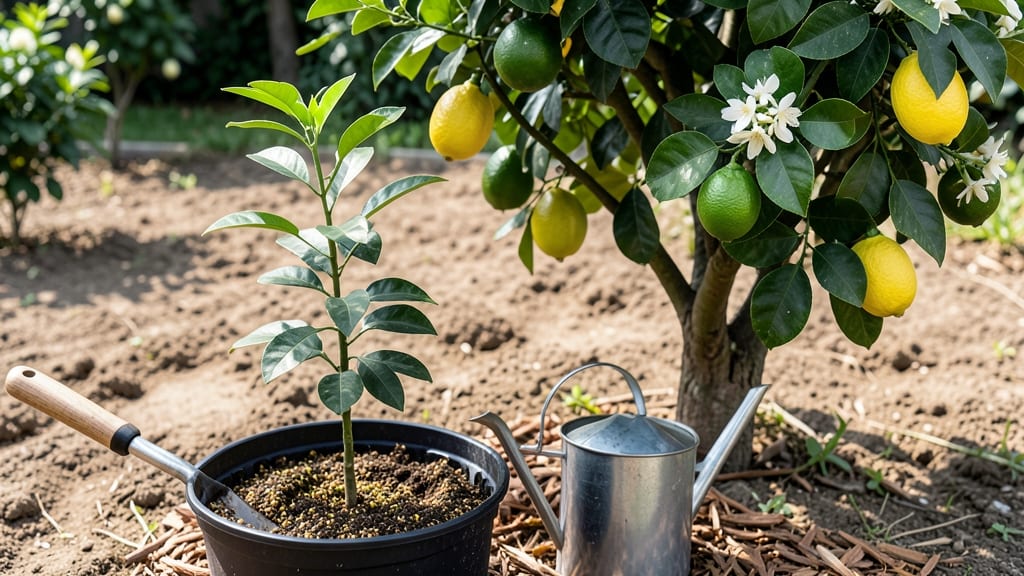
Planting your 🍊 citrus tree in Arizona at the wrong time could mean struggling with transplant shock or stunted growth—even though the desert climate seems perfect.
The key to success lies in understanding when to plant citrus trees in AZ, where cool winter months offer the ideal window for root establishment before summer’s relentless heat arrives.
Most Arizona gardeners swear by planting between November and February, when temperatures dip below 85°F and the risk of extreme heat stress disappears.
This winter planting window gives young trees time to settle in before the growing season kicks off, ensuring they’re ready to thrive in the 9b-11 USDA zones.
But timing isn’t just about avoiding heat—it’s also about soil prep and variety selection. Whether you’re planting a lemon tree in Phoenix or a grapefruit in Tucson, we’ll break down the best months for your specific citrus type and how to prepare your soil for maximum success.
Ready to grow a citrus tree that flourishes year-round? Let’s dive into the perfect planting schedule and care tips that’ll have your tree bearing fruit in no time—without the common mistakes that trip up even experienced gardeners.
Best months to plant citrus trees in Arizona’s climate zones
Arizona’s diverse climate zones—from the frost-free low desert to cooler high desert areas—dictate your citrus planting window. In USDA Zones 9b-11 (Phoenix, Tucson, Yuma), you can plant year-round, but November through February offers the sweet spot for root establishment before summer’s brutal heat.
Meanwhile, high desert regions (Zones 7b-9a) like Flagstaff or Prescott demand earlier planting—late March to early May—to avoid late spring frosts that can devastate young trees.
Citrus trees thrive when planted during cooler months when soil temperatures stay below 85°F. This reduces transplant shock and allows roots to establish before the 100°F+ summers hit.
Even drought-tolerant varieties like Meyer lemons or Calamondins struggle if planted in peak heat, so timing is critical for survival and fruit production.
Your microclimate also plays a role. Urban areas like Phoenix experience heat islands, where pavement radiates heat, making late winter (February) ideal. Rural areas with cooler nights may extend planting into early spring (March) without risking heat stress.
🌱
| Zone | Best Planting Window | Key Considerations | Soil Prep Timing |
|---|---|---|---|
| Low Desert (9b-11) | November–February | Avoid summer heat; frost risk negligible | Prepare soil 4–6 weeks before planting |
| High Desert (7b-9a) | Late March–Early May | Late frosts possible; use frost cloth | Amend soil in February for spring planting |
| Urban Heat Islands | February–Early March | Plant in shaded areas temporarily | Use mulch to cool soil; water deeply |
For container-grown citrus, the rules shift slightly. Potted trees can handle early spring (March) planting in Zone 10+, but ensure pots have drainage holes and use lightweight, well-draining soil mixes to prevent root rot.
Containers heat up faster than ground soil, so shade cloth may be needed during April–May to protect young trees from intense afternoon sun.
Soil temperature is your best gauge for planting readiness. Use a soil thermometer—ideal temps hover between 60–75°F. If your soil runs hotter, delay planting until nights cool below 80°F. This prevents root scorch, a common issue in Arizona’s low desert when planting too early.
Mulching is non-negotiable in Arizona’s climate. Apply 3–4 inches of organic mulch (straw or wood chips) around the base of your citrus tree 2–3 weeks before planting. This insulates roots from temperature swings and retains moisture during the dry winter months. Just keep mulch 6 inches away from the trunk to avoid rot.
Frost protection is rarely an issue in Zone 10+, but high desert growers should monitor forecasts. If a 28°F frost is predicted, cover young trees with frost cloth or burlap sacks. Even Meyer lemons, known for cold tolerance, can suffer leaf damage below 25°F. Planting in sheltered microclimates (near walls or slopes) adds an extra layer of protection.
🌿
Post-planting care starts immediately. Water deeply (15–20 gallons for mature trees) every 7–10 days during the first 3 months to encourage root growth. Avoid shallow watering, which promotes weak roots. Pair this with a balanced citrus fertilizer (6-6-6 NPK) 4–6 weeks after planting to kickstart growth without overwhelming the tree.
Pro tip: Test your soil’s pH before planting—citrus thrives in slightly acidic to neutral soil (6.0–7.0). If your soil is alkaline (common in Arizona), amend with sulfur or peat moss to create the ideal growing conditions.
This small step can mean the difference between a fruit-bearing tree and a struggling specimen.
How to choose the perfect planting window for your citrus variety
Arizona’s diverse citrus varieties—like lemon, orange, grapefruit, and lime trees—each have unique needs when it comes to planting timing.
While the general rule is to plant between November and February, some varieties thrive better with slight adjustments based on their heat tolerance and growth cycles.
For example, lemon trees and lime trees are more sensitive to extreme heat and benefit from an early winter planting (November-December). This gives their roots time to establish before Arizona’s 100°F+ summers arrive.
Meanwhile, orange trees and grapefruit, which are slightly more drought-tolerant, can handle a late winter planting (January-February) without as much stress.
If you’re planting in urban heat islands (like Phoenix or Tucson), aim for the coolest months—November or December—to avoid transplant shock from sudden temperature swings.
In contrast, rural areas with cooler nights (like Flagstaff’s high desert) can extend planting into early March for varieties like Satsuma mandarins, which handle cooler temps better.
🍋 Citrus Variety Planting Guide
Best Month: January-February
Why? Tolerates late winter heat better than lemons.
Best Month: November-December
Why? Needs cooler temps to establish roots before summer.
Best Month: November-December
Why? Sensitive to heat; early planting reduces stress.
Best Month: January-February
Why? Handles slightly warmer soil better than lemons.
For container-grown citrus, timing is even more critical. Potted trees dry out faster and are more vulnerable to heat stress, so plant them in late fall (November) to give roots time to adapt before summer.
If you’re moving a potted tree from a nursery, avoid planting in March—the sudden heat can cause root burn.
Pro tip: Check the soil temperature before planting. Ideal soil temps for citrus are between 60°F and 75°F. Use a soil thermometer to confirm—cool soil helps roots establish faster.
If temps are still high in late winter, wait a few weeks or use shade cloth to protect young trees during the day.
Finally, consider your local microclimate. A backyard near a paved driveway or concrete patio can be 10-15°F warmer than the surrounding area, delaying planting by a month. Monitor your space and adjust accordingly—your citrus tree’s success depends on it!