Plants
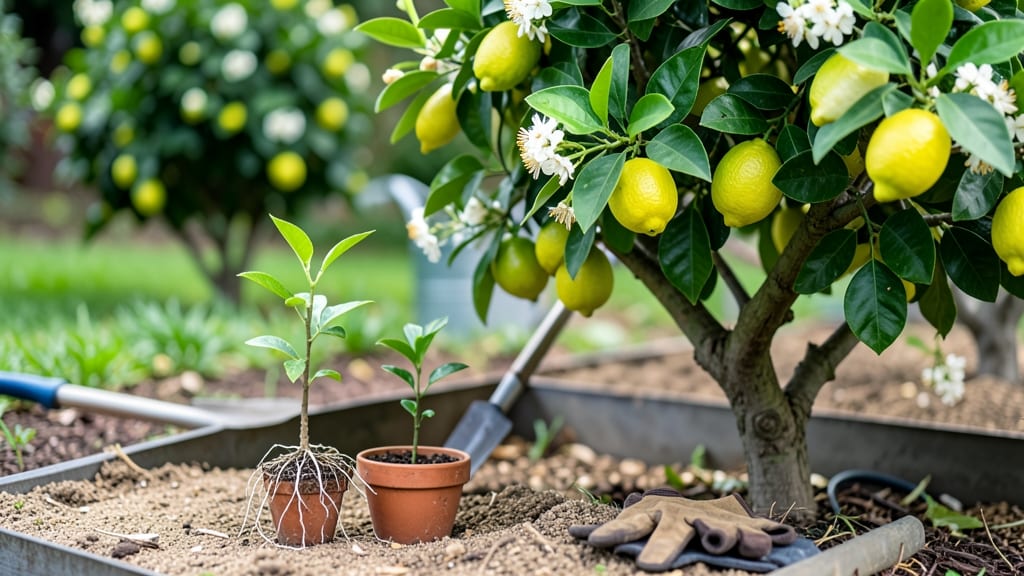
The best time to plant a lemon tree in California isn’t just about the calendar—it’s about avoiding frost damage and giving your 🍋 tree the perfect start. With California’s diverse microclimates (from coastal USDA Zone 10 to inland Zone 9), timing varies dramatically between regions.
Most gardeners in frost-free zones like coastal areas can plant year-round, but those in inland valleys should aim for late winter or early spring to beat the last frost. The key is soil warmth—wait until temperatures consistently stay above 60°F to prevent root shock.
I’ve seen lemon trees thrive when planted in January through March for inland areas, while coastal growers can extend planting into fall. The difference comes down to how quickly your soil warms and how much frost risk you’re willing to take.
Let’s break down the exact months for your region, plus the critical factors that determine success—so you can plant with confidence and watch your lemon tree flourish.
Best planting months for lemon trees in California by region (frost-free zones)
California’s diverse climate means the best time to plant a lemon tree varies dramatically by region. While coastal areas like San Diego and Santa Barbara enjoy frost-free growing year-round, inland valleys such as Sacramento and Fresno face occasional winter chills that demand precise timing.
Let’s break down the optimal planting windows for California’s USDA zones 9-11 to ensure your tree thrives from day one.
For coastal California (USDA zones 10-11), the perfect planting window stretches from November through April. This frost-free period allows roots to establish before summer’s heat peaks. In contrast, inland valleys (USDA zone 9) should plant between February and April to avoid late-winter frosts that can kill young trees.
Desert regions like Palm Springs (zone 9b) can plant as early as October, but summer heat requires extra watering.
Here’s the visual breakdown of ideal planting months by region, including key considerations like soil temperature and rainfall patterns that influence success:
| Region | USDA Zone | Best Planting Months | Soil Temp Requirement | Key Consideration |
|---|---|---|---|---|
| Coastal (San Diego, Santa Barbara) | 10-11 | November–April | 60°F+ (15°C+) | Year-round planting possible; avoid summer heat stress. |
| Inland Valleys (Sacramento, Fresno) | 9 | February–April | 65°F+ (18°C+) | Avoid late-winter frosts; mulch heavily for cold snaps. |
| Desert (Palm Springs, Coachella) | 9b | October–November or March–April | 70°F+ (21°C+) | Plant in early spring/fall to escape summer’s extreme heat. |
| Central Coast (Monterey, Santa Cruz) | 9-10 | December–March | 58°F+ (14°C+) | Microclimates vary; check local frost dates annually. |
If you’re planting in containers, timing becomes even more flexible. Containers warm up faster than in-ground soil, so you can plant 2-3 weeks earlier in spring or 1-2 weeks later in fall without risking cold damage.
Just ensure your container has drainage holes and use a lightweight potting mix to prevent root rot.
For bare-root lemon trees (often sold in winter), plant immediately upon arrival to avoid transplant shock. If you must delay, heelt in (bury the roots in a trench) and keep the soil moist until planting.
This method works especially well for inland valley gardeners who need to wait for warmer soil temperatures.
Pro tip: Use a soil thermometer to confirm soil temps are 60°F+ (15°C+) before planting. Cold soil slows root growth and increases disease risk. Coastal gardeners can often skip this step entirely, but inland areas should test regularly.
Remember, lemon trees thrive with consistency. Planting at the right time sets the stage for years of fruit production, while poor timing can lead to stunted growth or even tree death. Next, we’ll dive into the critical factors that fine-tune your planting timeline—including
Best planting months for lemon trees in California by region (frost-free zones)
California’s diverse climate means your lemon tree planting window varies dramatically—from year-round coastal planting to frost-sensitive inland valleys. The key is aligning with your USDA zone (9-11) and avoiding late-winter frosts that can kill young roots.
Coastal areas (like San Diego) enjoy 365 frost-free days, while inland valleys (Sacramento) face November-December frost risks.
For optimal growth, aim to plant when soil temperatures stay above 60°F (15°C)—a rule that translates to March-May for inland and September-November for coastal regions.
This timing ensures roots establish before summer’s peak heat or winter’s chill sets in. Dwarf varieties adapt slightly better to edge cases, but standard lemon trees thrive most when planted during these prime windows.
| Region | USDA Zone | Best Planting Months | Key Consideration |
|---|---|---|---|
| Coastal (San Diego, LA) | 10-11 | Year-round (peak: Sep-Nov) | No frost risk; avoid summer heat stress |
| Inland Valleys (Sacramento, Fresno) | 9-10 | March-May (after last frost) | Frost risk Dec-Jan; plant after Jan 15 |
| Desert (Palm Springs, Coachella) | 9b-10a | Oct-Nov or Feb-Mar | Extreme heat in summer; avoid peak temps |
| Central Coast (Santa Barbara, Monterey) | 9-10 | Feb-Apr or Sep-Oct | Microclimates vary; check local frost dates |
If you’re in USDA Zone 9 (like the Central Valley), wait until after March 1st to plant—this gives young roots time to establish before summer’s 100°F+ heat.
For Zone 10-11 coastal areas, you can plant anytime, but September-October offers the best balance of warm soil and moderate rainfall to reduce transplant shock.
Pro tip: Use a soil thermometer to confirm temps are consistently above 60°F before planting. Cold soil slows root growth, making your tree vulnerable to transplant shock or fungal diseases.
In container planting, you have more flexibility—just ensure pots are at least 15 gallons for dwarf varieties and 30+ gallons for standard trees.
For container-grown lemon trees, timing shifts slightly: plant in late winter (Feb-Mar) to give roots time to spread before summer. In-ground trees, however, benefit from fall planting (Sep-Oct) in coastal zones, allowing roots to establish before winter rains arrive.
Always amend soil with compost and citrus-specific fertilizer to give your tree a nutrient boost at planting.
Remember: Microclimates matter. A south-facing yard in Sacramento may stay frost-free longer than a valley floor just miles away. Check local Cooperative Extension Service data or use a frost risk map to refine your timeline.
With the right timing, your lemon tree can bear fruit in as little as 2-3 years—but get the months wrong, and you’ll face stunted growth or winter dieback.