
Trees
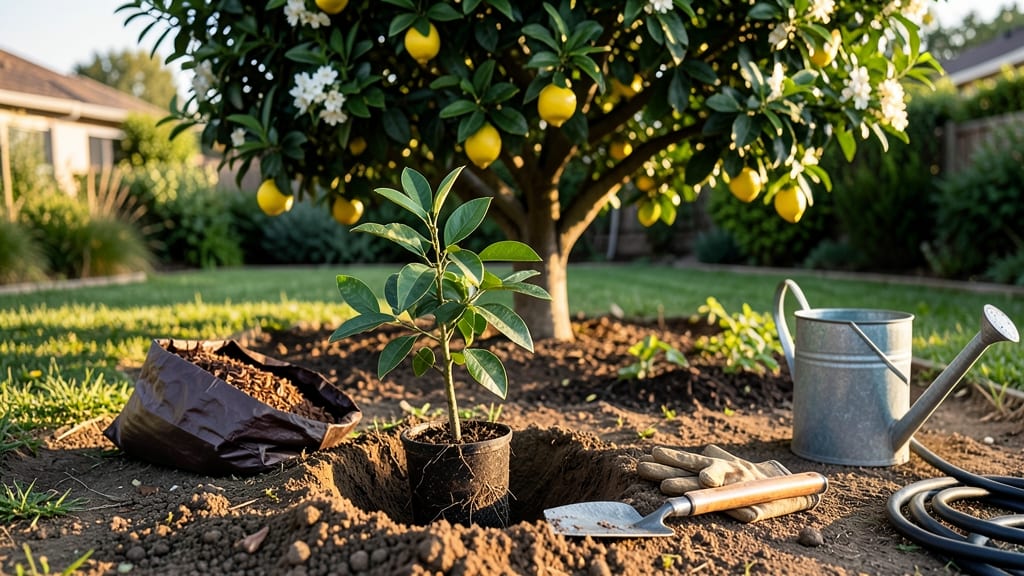
Planting your 🍊 citrus tree at the wrong time in Southern California could mean struggling with slow growth or even losing your tree before it bears fruit. The key to success lies in understanding the ideal planting window—when temperatures and soil conditions align perfectly for strong root establishment.
Most gardeners in zones 9b-11 get it right by planting in late winter to early spring (February-April) or fall (September-October). These windows avoid the brutal summer heat and give young roots time to settle before winter’s rare cold snaps.
But here’s the thing: coastal areas like Santa Barbara have different rules than inland valleys, and getting this right makes all the difference.
I’ve seen firsthand how a well-timed planting can turn a struggling citrus tree into a thriving one. Whether you’re a beginner or a seasoned gardener, knowing when to plant isn’t just about the calendar—it’s about reading your local microclimate.
Let’s break down exactly what works where so your citrus tree gets off to the best possible start.
You’ll learn how to spot the perfect moment, prep your soil for maximum root growth, and avoid common mistakes that derail even the most promising plantings. Ready to set your citrus tree up for years of sweet success? Let’s get growing.
Best months to plant citrus trees in Southern California for optimal growth
Southern California’s warm Mediterranean climate makes it ideal for growing citrus trees year-round, but timing your planting is critical for root establishment and fruit production.
The best windows are late winter to early spring (February–April) and fall (September–October), when temperatures are mild and rainfall supports new growth without stress. These periods align with the tree’s natural growth cycles and minimize transplant shock.
Planting in fall (September–October) is often preferred because cooler temperatures and increased rainfall help roots acclimate before summer heat. This gives young trees a head start on growth before the dormant winter months.
Spring planting (February–April) works well too, but avoid planting during heatwaves (June–August), as extreme heat can cause transplant shock and stunted growth.
Citrus trees thrive in USDA Zones 9b–11, but Southern California’s microclimates vary significantly. Coastal areas like Santa Barbara (Zone 10a–10b) have cooler, wetter winters, while inland valleys like the San Bernardino area (Zone 9b–10a) experience hotter summers and occasional frost.
Desert-adjacent zones like Palm Springs (Zone 10b–11) have year-round warmth but require extra watering.
For maximum root development, aim to plant when soil temperatures are between 60°F–75°F. In Southern California, this typically means avoiding the hottest summer months (June–August), when soil can dry out quickly and young roots struggle to establish.
Fall planting also allows trees to avoid winter dormancy stress and start growing vigorously in spring.
If you’re planting in containers or pots, timing is less critical, but still avoid peak summer heat. Container-grown citrus trees dry out faster, so ensure your pot has drainage holes and use a well-draining potting mix with added compost.
Move containers to a shaded area during extreme heat to protect roots.
One common mistake is planting citrus trees in late spring (May–June), when temperatures rise sharply. This can lead to water stress and poor root growth. Instead, opt for early spring or fall planting to give your tree the best chance of thriving in Southern California’s drought-prone climate.
| Planting Window | Ideal Conditions | Benefits | Risks to Avoid |
|---|---|---|---|
| Late Winter (Feb–March) | 55°F–65°F soil temps; occasional rain | Encourages early root growth; avoids summer heat | Late frost risk in inland valleys |
| Spring (April) | 60°F–70°F soil temps; increasing sunlight | Strong root establishment before summer | Heat stress if planted too late |
| Fall (Sep–Oct) | 65°F–75°F soil temps; moderate rainfall | Best for root growth; avoids winter dormancy | Overwatering if rain is frequent |
| Avoid: Summer (Jun–Aug) | Soil temps >80°F; drought conditions | N/A | Transplant shock; poor root establishment |
When planting, choose a sunny location with well-draining soil—citrus trees hate soggy roots. Amend heavy clay soil with compost or sand to improve drainage.
Water deeply after planting to help roots settle into the soil, and apply a 2–3 inch layer of mulch to retain moisture and regulate soil temperature.
For container planting, select a pot at least 12–18 inches wide with drainage holes. Use a mix of potting soil, perlite, and compost to ensure aeration. Place containers in a south-facing spot for maximum sunlight, and water when the top 1–2 inches of soil feel dry.
Container-grown citrus trees may need fertilizer every 2–3 months during growing seasons.
Remember, citrus trees in Southern California can produce fruit year-round, but proper planting timing ensures healthier trees and better yields. Whether you choose fall or spring, prioritize mild temperatures, adequate water, and well-draining soil for the best results.
With the right timing, your citrus tree will thrive and reward you with juicy, homegrown fruit for years to come. 🌱🍊
Best months to plant citrus trees in Southern California for optimal growth
Southern California’s mild winters and warm summers make it ideal for citrus trees, but the perfect planting window is all about timing. If you plant during peak summer heat (June-August), your young tree will struggle with transplant shock and slow root growth.
Instead, aim for late winter to early spring (February-April) or fall (September-October) when temperatures are cooler and soil moisture is more consistent.
I’ve planted citrus trees in both seasons, and fall planting often gives trees a head start. By September, the soil is still warm enough for root development, but the air cools slightly, reducing stress.
Spring planting (February-April) works well too, as the tree can establish roots before summer’s intensity. The key is avoiding extreme heat and drought conditions, which can stress young roots.
| Planting Window | Temperature Range | Soil Conditions | Root Growth Benefit |
|---|---|---|---|
| Late Winter (Feb-Apr) | 50°F - 75°F | Moist, warming soil | Moderate root growth before summer |
| Fall (Sep-Oct) | 60°F - 85°F | Warm soil, decreasing evaporation | Rapid root establishment before winter |
| Avoid Summer (Jun-Aug) | 90°F+ | Dry, overheated soil | High transplant shock risk |
For coastal areas like San Diego or Santa Barbara, fall planting is often the best choice. The ocean breeze keeps temperatures moderate, and the soil stays moist longer.
In inland valleys (e.g., San Bernardino), early fall planting (September) is ideal to avoid the rare frost risk that can hit in December or January.
If you’re planting in desert-adjacent zones (e.g., Palm Springs), aim for late fall (November) to give roots time to establish before the next summer’s heat. These areas have faster-drying soil, so extra mulching and deep watering are critical.
I’ve seen citrus trees planted in November thrive because the cooler temps reduce stress while roots grow steadily.
One pro tip I always share: water deeply after planting and mulch heavily (3-4 inches) to retain moisture. Citrus trees need consistent moisture for the first year, especially in Southern California’s drought-prone summers. Avoid overhead watering, which can promote fungal diseases—stick to deep, slow watering at the base.
Finally, choose a well-draining location with full sun exposure (6+ hours daily). Citrus trees hate soggy roots, so amend heavy clay soil with compost or sand if needed.
With the right timing and care, your citrus tree will establish strong roots and reward you with years of sweet fruit. 🍊