
Plants
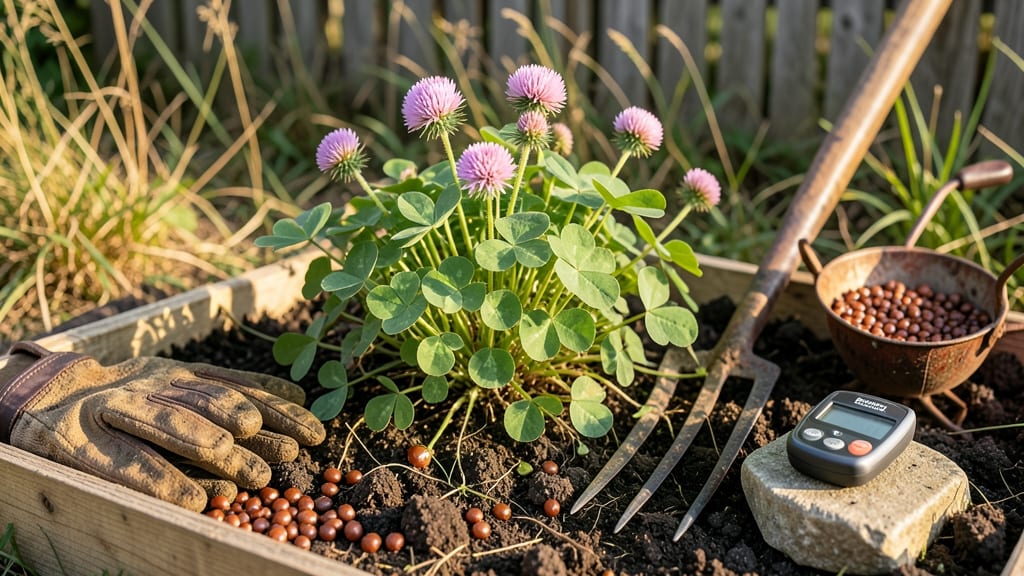
Timing your clover planting in Illinois isn’t just about picking a month—it’s about catching the perfect soil temperature window that makes all the difference between a thriving cover crop and wasted seeds. 🌱 Whether you’re planting white clover for lawns, red clover for pollinators, or alsike clover for soil health, Illinois’ USDA Zones 5-7 demand precision.
Most gardeners overlook how soil temperature—45°F to 55°F in spring or 60°F to 70°F in fall—dictates root growth and drought resistance. Plant too early, and frost will nip your seedlings; too late, and summer heat stresses them before they establish.
The key? Aligning your schedule with Illinois’ last frost dates (April 15 on average) and regional microclimates.
In this guide, I’ll break down the exact planting windows for each clover type, how to test soil temperature like a pro, and why fall planting often outperforms spring in Illinois’ unpredictable climate.
You’ll also learn how to prep your soil—pH, drainage, and all—to give clover the best shot at taking over weeds and enriching your garden naturally.
Skip the guesswork and plant clover the smart way—whether you’re a beginner or a seasoned gardener. By the end, you’ll know exactly when to drop those seeds for a lush, low-maintenance ground cover that works with Illinois’ seasons, not against them.
Ideal soil temperature ranges for planting clover in Illinois regions
Clover thrives when planted at the right soil temperature, which varies dramatically across Illinois’ climate zones. In the northern region (USDA Zone 5), aim for 45°F–55°F in spring, while the southern region (Zone 6–7) can start as early as 50°F–60°F.
These ranges trigger rapid root establishment and drought resistance—critical for Illinois’ unpredictable weather.
Fall planting requires warmer soil (60°F–70°F) to give clover enough time to develop strong roots before winter. In northern Illinois, this typically means planting by mid-September, while southern Illinois gardeners have until early October. Always check soil temperature 2–3 inches deep for accuracy.
To test soil temperature, use a soil thermometer or a DIY method: Insert a meat thermometer into moist soil for 30 seconds. Microclimates (like south-facing slopes) can be 5°F–10°F warmer than surrounding areas, so adjust planting times accordingly. For example, Chicago’s urban heat islands may allow earlier spring planting.
In northern Illinois, where frosts linger into May, wait until after the last frost date (April 15) and confirm soil temps are consistently above 50°F.
In southern Illinois, you can start as early as mid-March if soil warms quickly. Alsike clover, a cold-hardy variety, tolerates cooler soils (40°F–45°F) and is ideal for early spring planting.
Fall planting in Illinois works best when soil temps remain above 60°F for 4–6 weeks before the first frost (October 15). This window ensures clover can establish roots without entering dormancy too soon.
Use a soil warming trick: Cover bare soil with black plastic mulch 1–2 weeks before planting to accelerate warming.
Here’s how Illinois’ two distinct regions differ in planting readiness:
| Region | Spring Planting Window | Ideal Soil Temp | Fall Planting Window | Key Variety |
|---|---|---|---|---|
| Northern Illinois (Zone 5) | April 20–May 15 | 45°F–55°F | August 15–September 15 | Alsike Clover |
| Southern Illinois (Zone 6–7) | March 15–April 30 | 50°F–60°F | August 1–October 5 | White Clover |
Adjust planting dates if Illinois experiences an early or late frost. Check the Midwest Regional Climate Center for real-time soil data. For lawn seeding, mix clover seeds with ryegrass to stabilize soil until clover establishes (4–6 weeks).
In northern Illinois, a starter fertilizer (5-10-10) can help clover compete with weeds during cooler springs.
If you’re planting clover as a cover crop, aim for maximum biomass by seeding in early spring (March–April) or late summer (August). Cover crops benefit from warmer soil temps (60°F+), which speed up nitrogen fixation.
In southern Illinois, you can even plant a second cover crop in October for winter protection.
Remember: Soil temperature > air temperature determines planting success. Use a soil thermometer to avoid guessing—especially in Illinois’ variable climate. For example, a 50°F air temp might hide 60°F soil on sunny days, tricking you into planting too early. Always verify before seeding.
Pro tip: Plant clover after a light rain to ensure seeds make contact with moist soil. In dry springs (common in northern Illinois), irrigate lightly (0.5 inch) to keep soil damp until germination (10–14 days). Mulch with straw to retain moisture and regulate soil temperature.
Best months to plant clover in Illinois by variety (white vs. red vs. alsike)
Choosing the right planting month for clover in Illinois depends on the variety and whether you're planting in spring or fall. White clover and red clover have different frost tolerances, while alsike clover thrives in cooler soils.
Illinois’ unpredictable weather—like late frosts in May—means timing matters more than ever.
For spring planting, aim for March–May in southern Illinois (Zones 6–7) and April–May in northern Illinois (Zone 5). White clover establishes fastest in 50°F–60°F soil, while alsike clover can handle cooler 40°F–45°F temps, making it ideal for early spring. Red clover, however, prefers warmer soil (55°F+) and struggles with late frosts.
Fall planting offers a second chance, especially in southern Illinois, where soil stays warm longer. Seed white or red clover by August 1–October 5 to give roots time to establish before winter.
In northern Illinois, rush by September 15—any later, and clover won’t root deeply enough to survive frost.
Here’s how each clover variety stacks up in Illinois’ planting windows:
| Variety | Spring Window | Fall Window | Frost Tolerance | Best For |
|---|---|---|---|---|
| White Clover | March 15–April 30 (South) April 20–May 15 (North) |
August 1–October 5 (South) August 15–Sept 15 (North) |
Moderate (dies at 20°F) | Lawns, erosion control |
| Red Clover | April 15–May 15 (South) May 1–May 15 (North) |
August 15–Sept 1 (South) Aug 15–Aug 30 (North) |
Sensitive (dies at 25°F) | Pollinators, cover crops |
| Alsike Clover | March 1–April 15 (Both) | August 1–Sept 10 (Both) | High (survives 15°F) | Cool soils, early spring |
Late frosts are the biggest threat to clover in Illinois. If forecasts predict frost after April 15, delay planting until soil warms consistently above 50°F. For red clover, which is frost-sensitive, wait until after May 1 in northern Illinois to avoid seedling loss.
In southern Illinois, you can push the envelope: Plant white clover in February if soil temps hit 50°F (unlikely but possible in microclimates). Use row covers for early spring plantings to protect seedlings from 28°F+ frosts.
For fall plantings, prioritize white clover—it establishes faster than red clover in cooler autumn soils.
Pro tip: Mix clover seeds with ryegrass for spring plantings to stabilize soil until clover germinates (10–14 days).
This combo works especially well in northern Illinois, where cool, wet springs slow germination. Alsike clover is your best bet for early spring success—it germinates at 40°F and outcompetes weeds in cooler conditions.