
Plants
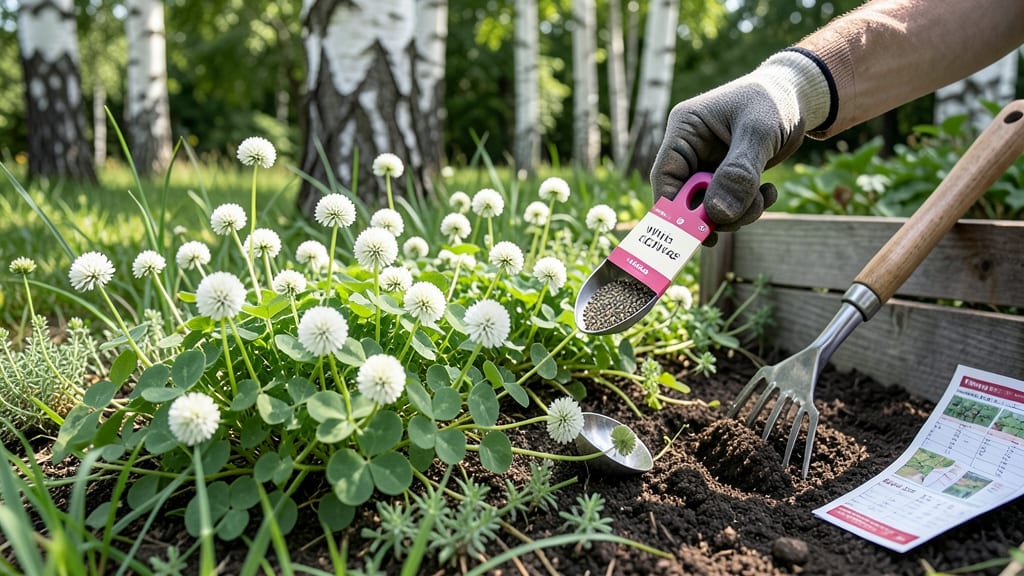
Timing your clover planting in Kentucky isn’t just about checking the calendar—it’s about catching that sweet spot when soil temperatures hit 50-65°F for red clover or 45-55°F for white clover.
This 🌱 hardy ground cover thrives when the earth warms up just right, giving your plants the best chance to establish strong roots before summer heat arrives.
If you’ve ever wondered why some clover patches take off while others struggle, the answer lies in those soil temps. Kentucky’s 6a-7a zones mean you’ve got a narrow window—typically March-April for spring or September-October for fall—to plant when conditions are perfect.
Get it wrong, and you might end up with sparse coverage or weeds taking over.
Here’s the good news: with the right timing, clover can transform your yard into a lush, low-maintenance ground cover that chokes out weeds and attracts pollinators.
I’ll break down exactly when to plant based on your specific clover type and how to adjust for Kentucky’s unpredictable weather patterns—so you can enjoy that vibrant green carpet all season long.
Ready to skip the guesswork? Let’s dive into the soil temperature triggers and planting strategies that’ll help your clover thrive from day one, no matter where you are in the Bluegrass State.
Optimal soil temperature ranges for planting clover in Kentucky
Kentucky’s USDA Zones 6a-7a create unique challenges for planting clover, where soil temperatures can vary dramatically between regions like the Bluegrass area and the Pennyroyal Plateau. Unlike annuals, clover thrives when planted at specific soil temperature triggers that encourage root establishment before summer heat arrives.
For white clover, aim for soil temperatures between 45-55°F—this range aligns perfectly with Kentucky’s early spring (March-April) and fall (September-October) windows. Red clover, however, prefers slightly warmer soils at 50-65°F, making it more adaptable to late spring plantings if conditions allow.
Here’s how to test your soil temperature accurately: Use a soil thermometer (available for under $10) and check temperatures at a 4-inch depth—this mimics where clover roots will establish. Morning readings between 9-11 AM are most reliable, as afternoon sun can skew results by 5-10°F.
In Kentucky’s higher elevations (like the Cumberland Plateau), soils warm 2-3 weeks later than in Louisville or Lexington. Adjust planting dates accordingly—delay by 7-10 days if your region typically sees late frosts after March 15.
One common mistake is planting too early when soils are still below 45°F. Cold soils slow germination, leaving clover vulnerable to fungal diseases and insect pests once warmer weather arrives. Always wait for consistent temperatures in your target range before sowing.
| Clover Type | Ideal Soil Temp | Best Kentucky Window | Regional Note |
|---|---|---|---|
| White Clover | 45-55°F | March 15-April 15 | Bluegrass region |
| Red Clover | 50-65°F | April 1-May 10 | Pennyroyal Plateau |
| Both Types | 55-60°F | September 15-October 15 | Fall planting |
If you’re planting clover as a cover crop (common in Kentucky’s agricultural fields), prioritize soil warming techniques like black plastic mulch or straw covers. These can raise soil temperatures by 5-15°F in just 3-5 days, giving you a 2-week head start on germination.
For ornamental clover in lawns or gardens, focus on early fall plantings (September-October) to avoid summer drought stress. Fall-sown clover establishes roots before winter, making it 30% more resilient to Kentucky’s hot, humid summers.
Pro tip: Use a seed coating with mycorrhizal fungi—this boosts root growth by 20-30% in Kentucky’s clay-heavy soils, helping clover compete with weeds. Always rinse coated seeds before planting to remove excess coating.
Remember, soil temperature is more critical than air temperature for clover success. Even if Kentucky’s air hits 60°F in March, soils may still be too cold for optimal germination. Always check below the surface for the most accurate planting cues. 🌱
Best planting months in Kentucky by clover type (white vs. red)
Kentucky’s two main clover types—white and red— thrive in different planting windows, each tied to specific soil temperature triggers and seasonal conditions. While both can succeed in spring or fall, their ideal months differ based on root establishment needs and Kentucky’s 6a-7a climate.
Let’s break down the best times for each type to maximize your 🌱 success.
For white clover, the prime planting window is March 15 to April 15, aligning with soil temps of 45-55°F. This early spring timing gives roots time to establish before Kentucky’s summer heat (June-August) stresses young plants.
If you miss this window, a fall backup of September 15-October 15 works well, as cooler soils in late fall prevent overheating.
- 🌱 White Clover: March 15-April 15 (soil 45-55°F) or September 15-October 15 (fall backup)
- 🌿 Red Clover: April 1-May 10 (soil 50-65°F) or August 15-September 15 (late summer option)
- 🌳 Both Types: Avoid planting after May 15 in Kentucky’s humid summers—high heat slows germination
- ❄️ Frost Risk: Wait until after the last frost (typically mid-April in Louisville, late April in higher elevations)
- 💧 Watering Tip: Keep soil consistently moist for 4-6 weeks post-planting to encourage root growth
Red clover prefers slightly warmer soils, making April 1 to May 10 its ideal window when temps hit 50-65°F. This later spring timing avoids Kentucky’s early frost risks while still allowing roots to establish before summer. A late summer option (August 15-September 15) works for red clover too, as soils stay warm enough for germination but cool enough to prevent stress.
If you’re planting clover for pollinators (like bees), prioritize early spring plantings—white clover blooms in late spring, while red clover flowers in early summer, providing a continuous nectar source.
For agricultural cover crops, fall plantings (September-October) are ideal—they establish roots before winter and suppress weeds in spring.
One critical rule for Kentucky gardeners: Never plant clover after May 15. By this time, soils often exceed 70°F, causing seeds to dry out before germinating. Instead, use fall plantings (September-October) for a second chance—cooler temps and consistent moisture create perfect conditions for root growth.
Pro tip: Use a planting calendar tailored to your Kentucky region. For example, Lexington’s Bluegrass area can plant 1-2 weeks earlier than Pikeville’s higher elevations due to microclimate differences. Check your last frost date (typically mid-April) and adjust accordingly to avoid frost damage to tender seedlings. 🌿