
Plants
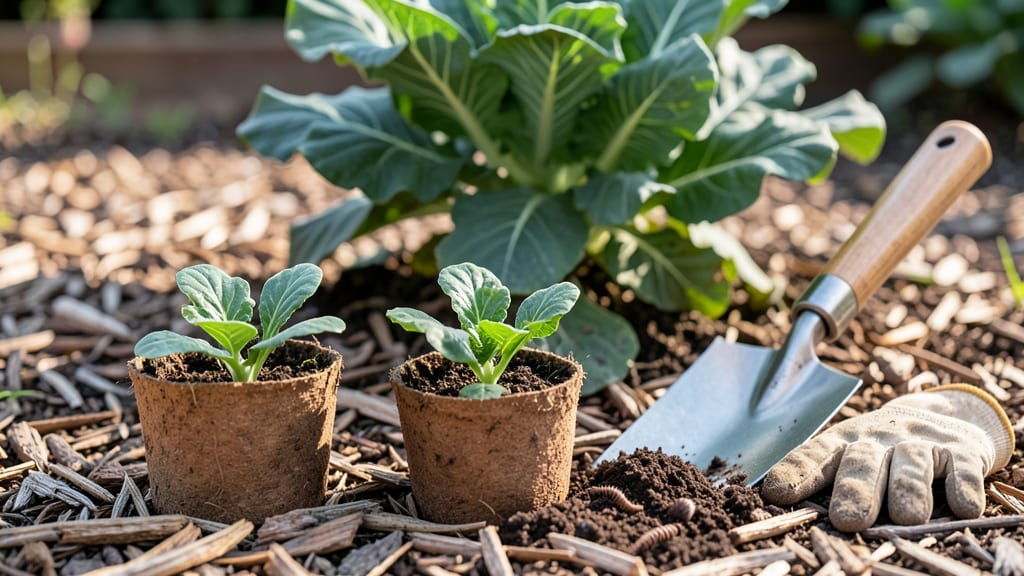
If you’ve ever wondered why your collards 🥬 bolt before they’re ready or wilt under Mississippi’s scorching sun, timing is the key—planting them at the wrong time means sacrificing your harvest to heat stress or pests.
The secret lies in two precise windows: late February to early March for spring and August to September for fall, when temperatures are just right for these hardy greens to thrive.
Mississippi’s 8a climate zone gives you a narrow but critical window to work with—spring plantings need to avoid early heat, while fall collards must beat the first frost around November 15.
But here’s the game-changer: heat-resistant varieties like ‘Champion’ or ‘Georgia Southern’ can stretch your growing season, letting you enjoy homegrown collards even in summer’s peak.
I’ll walk you through the exact start dates, soil prep tips, and regional tricks to maximize your yield—no more guesswork, just bountiful harvests from May through November. Let’s get those seeds in the ground the right way.
Whether you’re a seasoned gardener or just starting, these insights will help you avoid common pitfalls like overcrowding or poor drainage, ensuring your collards grow strong and flavorful. Ready to turn your garden into a collard powerhouse?
Best planting windows for collards in Mississippi’s climate zones
Mississippi’s USDA Zone 8a climate creates two ideal windows for growing collards: spring and fall. The key is avoiding extreme heat (above 90°F) and bolting, while leveraging the state’s 215 frost-free days.
In Northern Mississippi, cooler microclimates shift planting dates slightly earlier than in the hotter Delta region.
For spring plantings, start seeds indoors 6-8 weeks before your last frost date (March 15). Transplant seedlings outdoors between late February and early March in Northern Mississippi, or mid-March to early April in Southern regions where soils warm faster.
Fall is often the most productive time for collards in Mississippi. Begin sowing seeds directly in the garden from August 15 to September 15, giving plants time to mature before first frost (November 15). This schedule ensures harvests from October through December.
Here’s how Mississippi’s microclimates affect timing:
| Region | Spring Planting Window | Fall Planting Window | Key Varieties |
|---|---|---|---|
| Northern MS (Zone 8a) | Late Feb - Early Mar | Aug 15 - Sep 10 | Champion, Georgia Southern |
| Central MS (Zone 8a) | Mid-Mar - Early Apr | Aug 1 - Sep 15 | Top Bunch, Vates |
| Southern MS (Delta) | Early Apr - Mid-Apr | Jul 20 - Aug 20 | Morris Heads, Blue Max |
Mississippi’s humidity and heat demand careful attention to soil prep. Amend garden beds with 2-3 inches of compost before planting to improve drainage and retain moisture. Test soil pH (ideal range: 6.0-6.8) and add lime if needed—collards hate acidic soils.
For summer plantings (July in Southern MS), use shade cloth (30-50%) to protect seedlings from intense sun. Water deeply twice daily (morning and evening) until established. Avoid overhead watering to prevent fungal diseases like downy mildew, common in Mississippi’s sticky summers.
Pro tip: Succession plant collards every 2-3 weeks in fall to extend your harvest. Start with 10-12 plants for a family of four—Mississippi’s mild winters often allow collards to keep producing until January if protected with row covers.
Timing isn’t just about dates—it’s about temperature thresholds. Collards bolt when exposed to consistent temps above 85°F for 3+ days. In Northern MS, this rarely happens before June, but Southern regions can hit these temps as early as May.
Choose heat-tolerant varieties like 'Blue Max' for extended summer harvests.
Mississippi gardeners often ask: Can I plant collards in winter? The answer is yes, but with caution. If you’re in Northern MS, you can direct-sow seeds in December for early spring harvests. Use black plastic mulch to warm soil and protect young plants from freeze events below 25°F.
Remember: Mississippi’s collard season isn’t just spring and fall—it’s a year-round possibility with the right variety selection and microclimate awareness. Start with these windows, and you’ll be feasting on homegrown greens from May through December.
Best planting windows for collards in Mississippi’s climate zones
Mississippi’s 8a climate zone creates two ideal planting windows for collards 🥬—spring and fall—each with specific temperature thresholds. Spring plantings should begin late February to early March, right after the last frost date (around March 15), to avoid heat stress before the plants establish roots.
For fall harvests, aim to plant August to September, giving your collards time to mature before the first frost on November 15. Northern Mississippi’s cooler microclimates may extend the spring window slightly, while southern regions can push fall plantings into early October for a late harvest.
Here’s the key: soil temperature must be at least 50°F for seeds to germinate. Use a soil thermometer to check—if it’s cooler, wait another week or use black plastic mulch to warm the soil faster.
| Season | Planting Window | Harvest Window | Notes |
|---|---|---|---|
| Spring | Late Feb - Early Mar | May - June | Start indoors 6-8 weeks before last frost |
| Fall | August - September | October - November | Direct sow or transplant after soil cools |
| Summer (Heat-Tolerant) | June (with shade) | August - September | Use varieties like 'Top Bunch' + shade cloth |
If you’re in northern Mississippi (e.g., Tupelo), extend spring plantings to early April to avoid early summer heat. Southern regions (e.g., Gulf Coast) can plant fall collards as late as early October for a frost-free harvest.
Pro tip: Succession planting every 2-3 weeks in spring and fall ensures a continuous harvest. For example, start one batch in late February, another in early March, and a final one in mid-March for staggered maturity.
Mississippi’s humidity can stress collards, so always plant in well-draining soil with 1-2 inches of compost mixed in. Raised beds work wonders for southern gardens where waterlogging is common.