
Plants
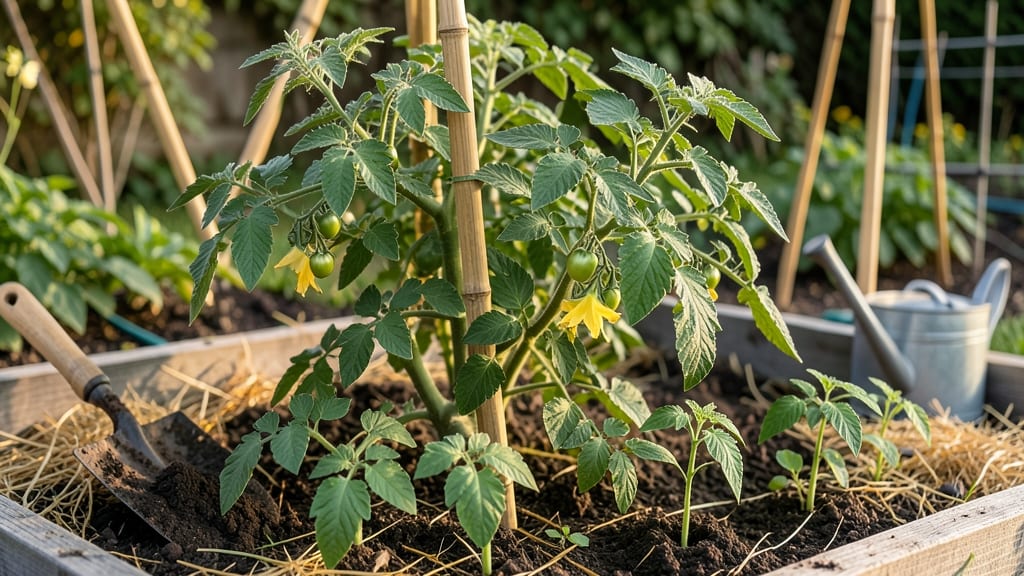
If you’ve ever watched your 🍅 tomatoes bolt into flower before producing fruit in Houston’s heat, you know when to plant fall tomatoes in the city isn’t just about avoiding frost—it’s about beating the 90°F+ stretch that can send your seedlings into premature panic mode.
Planting fall tomatoes in Houston isn’t just about avoiding frost—it’s about timing everything to dodge the summer heat. Here’s the secret: Houston’s Zone 9a climate gives you a narrow but golden window—August through early October—to get seedlings in the ground just right.
Too early, and you’ll battle summer’s relentless heat; too late, and frost sneaks in before your plants mature. I’ll show you exactly how to nail those 6-8 weeks before first frost for a harvest that lasts through December.
Why does this matter? Fall-planted tomatoes thrive in Houston’s milder weather, dodging pests like aphids and enjoying fewer diseases than their summer counterparts. Plus, with the right varieties and care, you’ll avoid the heartbreak of wasted effort.
Let’s break down the exact schedule, soil prep, and heat-smart tricks to turn your Houston garden into a tomato powerhouse.
From choosing heat-tolerant varieties to adjusting for microclimates (ever noticed how downtown stays warmer than the suburbs?), I’ve got the insider tips to help you harvest like a pro. Ready to skip the guesswork and start planting with confidence?
Houston’s fall tomato planting timeline: exact weeks before first frost
Houston’s fall tomato planting success hinges on precise timing—typically 6-8 weeks before the first frost, which usually lands around mid-December in this region. This means your ideal transplant window opens around late September to early October, giving plants enough time to mature before cooler temperatures arrive.
Missing this window risks bolting (premature flowering) due to heat stress or frost damage before harvest.
For Houston’s Zone 9a climate, I recommend starting with transplants rather than seeds—seedlings give you a head start against the clock. Early August is the absolute latest you should sow seeds indoors if you’re determined to grow from scratch, but most gardeners here opt for healthy nursery starts in September.
The key is balancing heat tolerance with frost readiness—tomatoes need warmth to thrive but can’t handle Houston’s occasional 30°F nights.
Here’s the critical timeline I follow for foolproof fall tomatoes in Houston:
| Stage | Action | Houston-Specific Notes |
|---|---|---|
| 6-8 Weeks Before Frost (Late Sept-Early Oct) | Transplant seedlings | Choose heat-tolerant varieties like 'Celebrity' or 'Solar Fire'; harden off seedlings for 7-10 days first. |
| 4-6 Weeks Before Frost (Mid-Oct) | Fertilize with 5-10-10 | Use slow-release fertilizer to avoid salt buildup in Houston’s heavy clay soil. |
| 2-3 Weeks Before Frost (Early Nov) | Prune suckers, stake plants | Remove lower leaves to prevent soil-borne diseases common in Houston’s humidity. |
| 1 Week Before Frost (Mid-Dec) | Harvest remaining fruit | Cover plants with frost cloth if temps drop below 35°F to extend harvest. |
Houston’s humidity and heat can trick tomatoes into thinking winter is coming, causing them to bolt prematurely. To prevent this, I always monitor soil temperatures—they should stay above 60°F for optimal growth.
If nights dip below 55°F, use row covers or move potted plants to sheltered spots. Another Houston-specific tip: mulch heavily with straw to keep roots cool during our September heat spikes.
For container gardening in Houston, plant determinate varieties like 'Roma' or 'Patio'—they mature faster and handle our compact urban spaces better. Containers also let you move plants indoors or to shaded areas during sudden October heat waves.
Just ensure pots have drainage holes to prevent root rot from Houston’s frequent rains.
One mistake I’ve seen Houston gardeners make is planting too late in hopes of avoiding summer heat. But tomatoes planted after mid-October rarely produce meaningful fruit before frost. Instead, I recommend succession planting: stagger transplants every 2 weeks from late August through early October.
This spreads out your harvest and reduces risk from pests or disease outbreaks.
Houston’s first frost date isn’t set in stone—it can vary by 1-2 weeks yearly. Check the National Weather Service Houston for updates and adjust your timeline accordingly.
Pro tip: Plant a sacrificial row of fast-maturing varieties like 'Early Girl' in early September to test your soil and microclimate before committing to your main crop.
Finally, choose the right varieties for Houston’s fall conditions. Heat-tolerant, cold-resistant hybrids like 'Mountain Merit' or 'Better Boy' perform best here. Avoid heat-sensitive heirlooms unless you’re willing to provide extra shade during our 90°F+ September days.
With the right timing and variety selection, you’ll enjoy homegrown tomatoes well into December—even in Houston’s unpredictable climate.
🌱
How to adjust planting dates for Houston’s microclimates
Houston’s sprawling landscape creates microclimates that can shift your tomato planting window by 2-3 weeks. Downtown’s concrete jungle stays 5-10°F warmer than suburban areas, while elevated spots near Memorial Park enjoy cooler nights. These variations mean your neighbor’s perfect schedule might send your plants into heat shock.
To avoid this, I’ll show you how to adjust your fall planting dates based on where you live in the city.
Start by identifying your local heat zone. Downtown Houston and industrial areas near the Ship Channel experience urban heat island effect, where temperatures can linger in the 80s°F even in October.
In contrast, neighborhoods like Katy or The Woodlands see cooler nights, giving you a 2-week extension for late plantings. Use this rule of thumb: Adjust your planting window 1 week earlier per 5°F temperature increase in your microclimate.
Here’s how to tailor your schedule:
For container gardening in balconies or patios, add another 1-2 weeks to your planting window since pots heat up faster. Use black fabric pots to absorb less heat, and place containers in shaded areas during peak afternoon sun.
I’ve seen containers in downtown Houston reach 110°F soil temps by midday—enough to cook seedlings alive!
Pro tip: Monitor your local heat stress indicators. If your thermometer consistently shows nighttime temps above 75°F in September, push your planting back by 10-14 days. Use shade cloth (30-50%) for young seedlings during the hottest part of the day.
This simple trick can add 2-3 weeks of safe growth before your plants hit their heat tolerance limits.
Remember, Houston’s first frost date (December 15) is just a guideline. In elevated areas, you might see frost as early as mid-November, while downtown areas can stay frost-free until January. Always have row covers ready to extend your harvest season by 2-4 weeks if needed.