
Plants
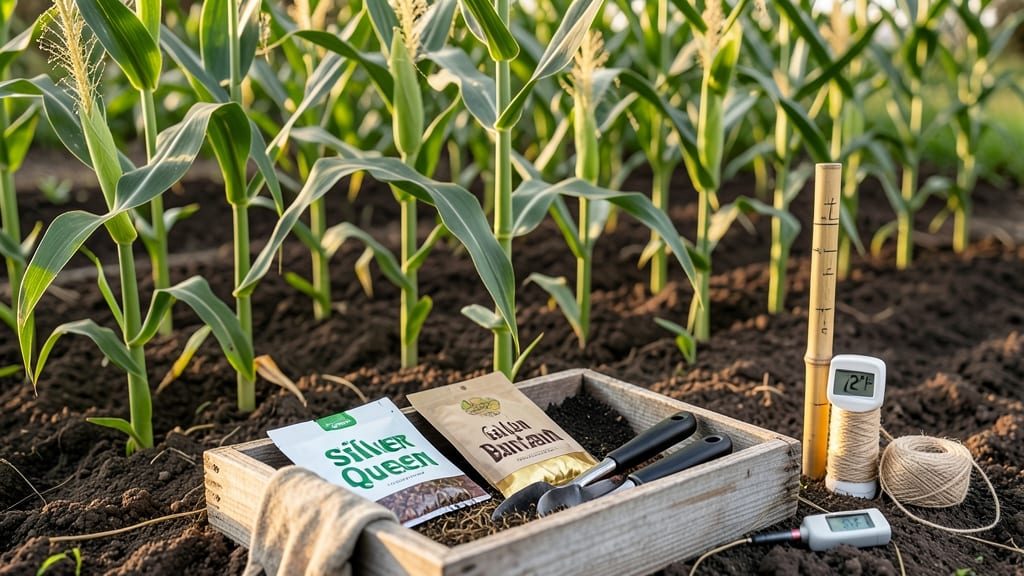
Timing your 🌽 corn planting in Northern California isn’t just about following a calendar—it’s about dodging coastal fog, inland heatwaves, and unpredictable frost. Plant too early, and your seeds rot in cold soil; too late, and you’ll miss the sweet spot for peak harvests between July and September.
I’ve grown corn in 8a-9b zones for years, and the difference between a bumper crop and a bust comes down to one thing: knowing your microclimate.
Coastal areas like the Bay need patience—wait until mid-May when the fog lifts—but inland spots in the Central Valley can start as early as late April when soil hits 60°F.
This isn’t just theory—it’s actionable advice. You’ll learn how to read your soil, adjust for early vs. late varieties, and even avoid the biggest mistakes that waste seeds and effort.
Whether you’re a backyard gardener or scaling up, these insights will help you grow corn that’s sweeter, taller, and more reliable than ever.
Let’s get your planting schedule locked in so you’re harvesting golden ears by midsummer—no guesswork, just results. Ready to turn your garden into a cornucopia? Let’s dive in.
Northern California corn planting calendar by microclimate zones
Northern California’s microclimates create dramatic differences in corn-growing success. The San Francisco Bay Area stays cooler longer, while the Central Valley heats up rapidly—planting too early in one zone can mean frost damage, while delaying in another risks summer drought stress.
Let’s break down the best planting windows for each region to maximize your harvest.
First, check your last frost date. Most of Northern California sees frost until March 15 in coastal areas and mid-April in inland valleys. Corn needs soil temperatures of 60°F (15°C) to germinate—waiting for these conditions is critical. Use a soil thermometer to confirm before planting.
Here’s how to align your planting with Northern California’s three key zones:
| Microclimate Zone | Best Planting Window | Soil Temp Requirement | Frost Risk | Harvest Window |
|---|---|---|---|---|
| Coastal (SF Bay Area, Marin, Sonoma Coast) | Late April to early May | 60°F+ (15°C+) | High until May 15 | July to early August |
| Central Valley (Sacramento, Stockton, Modesto) | Mid-April to early June | 60°F+ (15°C+) | Low after April 15 | June to September |
| Foothills (Napa, Sonoma, Lake County) | Early April to mid-May | 55°F+ (13°C+) | Moderate until May 1 | Late June to August |
For coastal gardeners, prioritize early-maturing varieties (60-75 days) to avoid summer fog reducing pollination. In the Central Valley, you can stretch planting into early June for a fall harvest, but ensure consistent watering as temperatures soar. Foothill gardeners benefit from earlier starts thanks to milder nights.
Pro tip: Use black plastic mulch to warm soil faster in cooler zones. It can raise soil temperatures by 5-10°F, helping coastal areas meet the 60°F threshold weeks earlier. Remove mulch once plants are 6 inches tall to prevent overheating.
Succession planting is key in Northern California. After your first harvest, replant fast-maturing varieties (like 'Early Sunglow') every 2-3 weeks to extend your harvest through August. This works best in the Central Valley, where summer heat supports rapid growth.
Watch for soil moisture—coastal areas may need drip irrigation to prevent fungal diseases from morning fog, while inland gardens risk drought stress if rains stop. Aim for 1-2 inches of water per week, delivered deeply rather than superficially.
If you’re in a transition zone (e.g., Santa Cruz Mountains), err on the side of planting later. A late April start gives you flexibility if frost lingers, while still allowing time for a July harvest before summer rains arrive.
🌽
How to adjust corn planting dates for early or late varieties
Not all corn is created equal—and neither are planting windows. In Northern California, your choice between early-maturing (60-75 days) and late-maturing (90+ days) varieties can shift your planting schedule by weeks.
Early varieties like 'Golden Bantam' (dwarf) or 'Ambrosia' (sweet) thrive when planted as early as late March in the Central Valley, while late varieties like 'Country Gentleman' need to go in by mid-May to avoid heat stress before harvest.
I’ve seen gardeners rush into planting 90-day varieties too early only to watch their plants bolt in June heat. The key is matching your variety to your last frost date and harvest window.
For example, if you want fresh corn in July, plant 75-day varieties in early May—this gives them time to mature before summer’s peak heat.
For coastal areas (USDA 8a-9a), where fog delays warming, stick to 60-70 day varieties planted in mid-April to early May.
Inland (USDA 9b), you can push it to late March for early varieties or early June for late varieties, but only if soil temps stay above 60°F.
🌽 Pro Tip: Use a soil thermometer—corn seeds won’t germinate below 50°F, and growth stalls under 60°F. Wait for consistency before planting.
| Variety Type | Days to Maturity | Best Planting Window | Harvest Window | Notes |
|---|---|---|---|---|
| Early (Dwarf/Sweet) | 60-75 days | Late March–Early May | June–July | Ideal for coastal fog zones; compact for small gardens. |
| Mid-Season | 75-90 days | Early April–Mid-May | July–August | Balanced for most Northern CA regions; heat-tolerant. |
| Late (Field Corn) | 90+ days | Mid-April–Early June | August–September | Riskier in coastal areas; needs long, hot summers. |
| Drought-Resistant | 70-85 days | Early May–Late May | July–August | Perfect for inland heatwaves; e.g., 'Peaches and Cream'. |
For succession planting, stagger varieties every 2 weeks to extend your harvest. For example, plant 'Golden Bantam' in late March, then 'Silver Queen' in early May. This ensures you’re eating fresh corn from June through August without gaps.
If you’re in a high-elevation foothill area (like Napa), prioritize early varieties or risk losing your crop to September frosts. And remember: late varieties need consistent 80°F+ temps for pollination—something coastal gardens often lack.
🌿 Key Takeaway: Match your variety to your microclimate’s heat window, not just the calendar. Test a few types to see what thrives in your spot!