
Plants
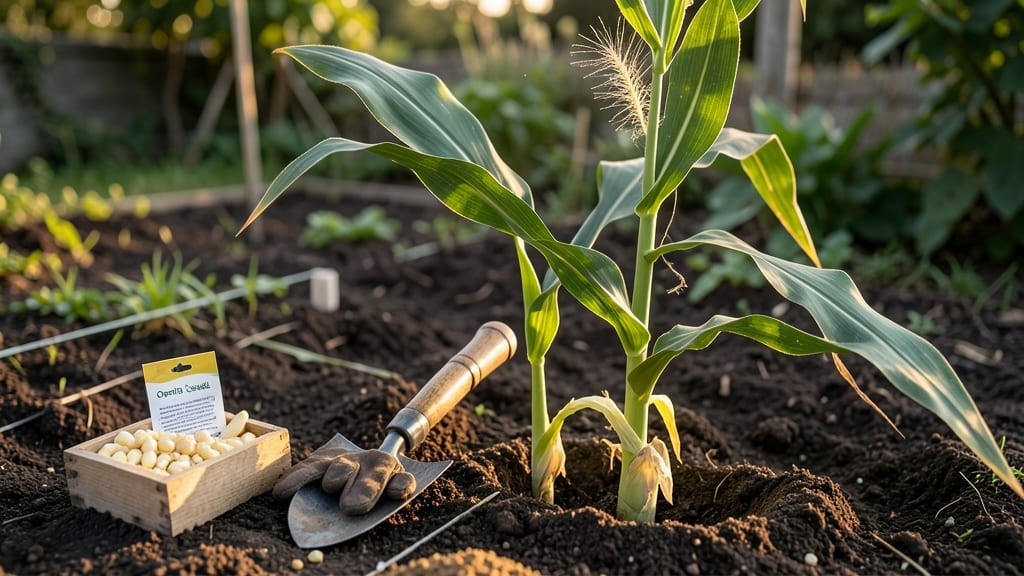
Timing your corn planting just right in Western Washington could mean the difference between a thriving 🌽 harvest and a sad, stunted garden. The key isn't just waiting for spring—it's tracking soil temperatures and regional microclimates that can vary dramatically between Seattle and Portland.
Most gardeners in zones 8a-9a wait until late April to mid-May, but that's only half the battle. Cool springs and unpredictable frost dates make this the most critical decision for your corn's success. I'll show you exactly how to read your soil's temperature cues and adjust your planting schedule accordingly.
What you'll discover is that planting too early can leave your corn vulnerable to late frosts, while waiting too long might cut your harvest short before summer's end. The perfect window exists—and I'll help you find it using data from real Western Washington gardens.
From soil prep tricks to variety selection that thrives in our shorter growing season, we'll cover everything you need to grow corn that stands taller than 6 feet and produces ears packed with sweet kernels. Let's get started.
Optimal soil temperature triggers for corn planting in Western Washington
Corn thrives when planted in warmer soil, but Western Washington’s cool, wet springs can delay germination if you plant too early. The key is waiting for consistent soil temperatures above 50°F (10°C)—this triggers seed sprouting.
For reliable growth, aim for 60°F+ (15°C+) soil temps, which ensure strong root development and faster maturation.
In my Seattle garden, I’ve learned that air temperature doesn’t tell the full story—soil warms more slowly, especially near water bodies. Use a soil thermometer (inserted 2 inches deep) to track daily highs.
If temps dip below 55°F (13°C) at night, germination slows dramatically, risking rot or stunted seedlings.
Western Washington’s microclimates create variations: Puget Sound areas (like Bainbridge Island) often hit 60°F soil by late April, while inland Willamette Valley (Eugene, Salem) may need to wait until mid-May. Higher elevations—like the Cascade foothills—can be 2-3 weeks later due to cooler nights.
🌱
🌱 Corn Planting Soil Temperature Guide for Western Washington
| Stage | Soil Temp Requirement | Western WA Timeline | Tools to Check |
|---|---|---|---|
| Germination Trigger | 50°F (10°C)+ | Late April (coastal) to early May (inland) | Soil thermometer |
| Optimal Growth | 60°F (15°C)+ | Mid-May (coastal) to late May (inland) | Soil thermometer + weather app |
| Peak Development | 70°F (21°C)+ | June (all regions) | Morning sunlight observation |
| Frost Risk Window | Below 55°F (13°C) | April 15–May 15 (varies) | Local frost alerts |
💡 Pro Tip: Test soil temps for 3 consecutive days above 60°F before planting—this ensures reliable germination.
If you’re planting in containers or raised beds, soil warms faster than in-ground plots. I’ve seen black plastic mulch raise soil temps by 5-10°F in just days—critical for extending the Puget Sound season.
For in-ground planting, amend soil with compost or aged manure in early spring to improve heat retention.
One common mistake is relying on air temperature alone. In Portland’s urban heat islands, air may feel warm, but shady garden beds can stay 10°F cooler than the sidewalk. Always check soil temps in your specific planting spot, not just the general forecast.
For early planting attempts (March in protected microclimates), use biodegradable seed starters or a seedling heat mat to jumpstart germination. I’ve had success with ‘Early Sunglow’ corn, which tolerates cooler soils better than standard varieties.
🌿
Remember: Corn is a high-maintenance crop in Western Washington’s climate. If soil temps stay below 60°F for more than a week after planting, seedlings may rot or bolt prematurely.
Keep an eye on local weather patterns—some years, June Gloom can delay warming, pushing planting back to early June for short-season varieties.
Western Washington planting windows by microclimate: coastal vs. inland timing
Western Washington’s diverse microclimates mean your corn’s planting window can shift by weeks depending on whether you’re in Seattle’s coastal zone or Portland’s inland valley.
The Puget Sound region (including Bainbridge Island and Olympia) enjoys warmer summers and later frost dates, while the Willamette Valley (Eugene, Salem) faces earlier frost risks and cooler nights. Even within cities, urban heat islands can create microclimates where soil warms 3-5 days faster than rural areas.
In my Seattle garden, I’ve planted corn as early as late April in south-facing beds, while my friend in Hillsboro waits until mid-May for the same variety. The difference? Seattle’s moderating ocean influence delays frost, while Portland’s inland location experiences cooler nights that can damage young seedlings.
Elevation also plays a role—gardens in Snoqualmie Pass may need to wait until early June for reliable soil warmth.
🌿
🌱 Western WA Corn Planting Windows by Microclimate
| Region | Last Frost Date | Optimal Planting Window | Soil Temp Goal | Key Risk |
|---|---|---|---|---|
| Puget Sound (Seattle, Bainbridge) | April 20–May 5 | Late April–early May | 60°F+ (15°C+) | June Gloom delays |
| Willamette Valley (Portland, Salem) | April 15–April 30 | Mid-May–early June | 60°F+ (15°C+) | Early frost |
| Cascade Foothills (Kennewick, Yakima) | May 10–May 25 | Early June | 65°F+ (18°C+) | Short season |
| Urban Heat Islands (Bellevue, Portland) | April 25–May 10 | Early May | 58°F+ (14°C+) | Nighttime cooling |
💡 Pro Tip: Use local weather stations (like NOAA) to track 5-day forecasts—this helps predict soil warming trends more accurately than general calendars.
For coastal gardeners, the biggest challenge isn’t frost—it’s June Gloom, where overcast skies can delay soil warming. I’ve seen black plastic mulch advance planting by 10 days in these conditions.
Inland areas, however, must prioritize frost protection, especially for early varieties like ‘Silver Queen,’ which matures in just 70 days.
If you’re in a transition zone (like Everett or Vancouver), split your planting: sow half in late April (with row covers) and half in early May for a staggered harvest. This insurance strategy works well for ‘Ambrosia’ corn, which tolerates cooler soils better than sweet corn varieties.
🌽 One final tip: Elevation matters. Gardens at 1,000 feet (like Snoqualmie) may need to wait until early June, while sea-level plots (like Tacoma) can plant by mid-May. Always adjust your schedule based on your specific elevation—not just your city’s average.
💧 For Portland gardeners, consider ‘Peaches and Cream’, a 85-day variety that thrives in cooler soils. In Seattle, ‘Bodacious’ (100 days) gives you a longer harvest window before fall frosts arrive. Match your variety to your local planting window—this is the secret to avoiding disappointment.