
Companion Plants
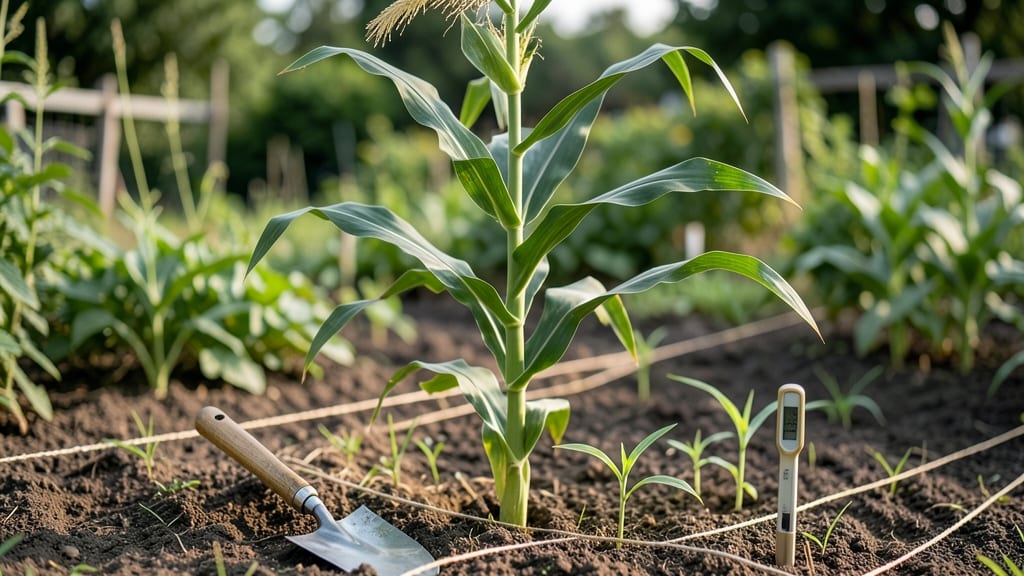
Timing your 🌽 corn planting in PA right can mean the difference between a thriving garden and a frustrating gamble with Mother Nature. Pennsylvania’s 5b-7a climate throws curveballs—cool springs, sudden frost threats, and soil that warms unevenly across regions.
You’ve probably heard “plant after the last frost,” but that’s only part of the story. The real game-changer is soil temperature: corn needs 60°F+ to germinate reliably, and waiting for that sweet spot (usually mid-April to early June) prevents wasted seeds and stunted growth.
Let’s break down the exact triggers—from testing soil warmth to adjusting for your specific corner of PA. Whether you’re in Pittsburgh’s cooler hills or Philadelphia’s warmer valleys, these insights will help you time your planting for peak success.
Ready to stop guessing? I’ll walk you through the 3 key factors that separate successful harvests from disappointing failures—starting with the moment your soil is finally ready for 🌽 corn seeds.
Optimal soil temperature for planting corn in Pennsylvania
Corn seeds need warm soil to germinate quickly, and Pennsylvania’s climate makes this timing critical. The ideal soil temperature for planting corn ranges between 50°F and 60°F, but seeds won’t sprout reliably below 50°F.
In most of PA, this means waiting until late April or early May for southern regions, while northern areas like Erie may need to wait until early May.
Soil temperature varies by microclimate—southern PA (like Philadelphia) warms faster than the Poconos or Allegheny Mountains. Use a soil thermometer to check depth (1-2 inches down), as surface temps can be misleading. If your soil is consistently 60°F or warmer for 3-5 days, it’s time to plant!
For early varieties, you can push the envelope slightly by planting when soil hits 55°F, but germination will be slower. Late varieties can tolerate cooler soil slightly better, but they still need at least 50°F for consistent sprouting.
Always prioritize soil warmth over calendar dates—corn won’t wait for you!
If you’re unsure about your soil’s warmth, try the "fist test": Press your fist into the soil. If it feels cool but not freezing, it’s likely 50°F or warmer.
For a more precise method, bury a soil thermometer for 24 hours—this gives the most accurate reading. Pro tip: Dark, loose soil warms faster than compacted or light-colored soil.
PA’s last frost dates vary widely—Philadelphia averages April 15, while Scranton often sees frost until May 1. However, soil temperature is a better guide than frost dates alone.
Planting too early (when soil is below 50°F) risks rotten seeds or weak seedlings, while waiting too long (after June 1) may result in small ears or poor pollination.
For container-grown corn, soil warms even faster than in-ground beds. Use black pots or add a heating mat if your balcony garden runs cold. In raised beds, soil warms 1–2 weeks earlier than in-ground, so adjust your planting schedule accordingly.
Always aim for consistent warmth—corn seeds won’t germinate if soil temps fluctuate wildly.
One common mistake is relying on air temperature instead of soil temperature. A 70°F day can hide 45°F soil, especially in shaded or northern-facing beds. Use a minimum-maximum thermometer to track overnight soil temps—corn seeds need consistent warmth, not just daytime heat.
If nights drop below 50°F, germination slows dramatically.
For organic gardeners, incorporate compost or well-rotted manure 2–3 weeks before planting. This raises soil temperature naturally by 1–3°F and improves moisture retention. Avoid fresh manure, which can overheat soil and damage seeds.
If your soil is sandy or dry, water it 24 hours before planting—moist soil warms faster than dry soil.
In northern PA (USDA Zones 5b–6a), aim for May 1–15 as your target window. Southern PA (Zones 6b–7a) can start as early as late April, but always confirm with a soil check.
If you’re using row covers or cold frames, you can plant 1–2 weeks earlier, but remove covers once seedlings emerge to prevent overheating.
Best planting timeline for PA corn based on microclimates
Pennsylvania’s diverse geography means your 🌽 corn planting timeline should align with your specific region. While Philadelphia’s warmer microclimate may allow planting by late April, Erie’s cooler lakeside air often delays ideal conditions until mid-May. Understanding these variations helps you avoid frost damage or slow germination from planting too early.
For most of PA, the optimal planting window spans from mid-April to early June, but timing shifts based on your USDA zone. Southern PA (Zones 6b–7a) can start as early as April 20–May 5, while northern areas (Zones 5b–6a) should wait until May 1–15.
Always plant 2–3 weeks after your last frost date—Philadelphia’s average is April 15, but Scranton’s can linger until May 1.
Here’s how to adjust your schedule by region using frost-free days and soil temperature as your guides:
If you’re growing early-maturing varieties (like ‘Early Sunglow’, which takes 60–70 days), you can push your planting date 1–2 weeks earlier in warmer zones. For late varieties (e.g., ‘Golden Bantam’ at 90+ days), wait until mid-May to ensure enough frost-free days (PA averages 150–200 days).
Pro tip: Use black plastic mulch to warm soil faster in cooler regions.
For successive planting, stagger seeds every 10–14 days to extend your harvest. In southern PA, this means planting April 25, May 10, and May 25 for a continuous supply.
In northern PA, aim for May 15, June 1, and June 15. This strategy works best with short-season varieties—longer varieties risk poor pollination if planted too late.
Watch for unpredictable late frosts, especially in valleys or low-lying areas. If frost threatens after planting, cover seedlings with row fabric or a cloche. Remove covers during the day to prevent overheating.
In container gardens, move pots to a sunny, sheltered spot if nighttime temps drop below 50°F. Always monitor your local Penn State Extension alerts for frost advisories.
Adjust your planting depth based on soil moisture: 1–1.5 inches deep in dry soil, 0.5–1 inch in moist conditions. Space seeds 1 inch apart in rows 12–18 inches apart (adjust for dwarf varieties).
Thin seedlings to 8–12 inches apart when they’re 6 inches tall—this prevents overcrowding and ensures proper ear development.
Remember: Corn needs warmth to thrive, not just frost-free days. Even if your area is frost-free by April 15, soil may still be too cold for reliable germination. Use a soil thermometer to confirm 60°F+ before planting—this simple step saves time, seeds, and frustration.