
Plants
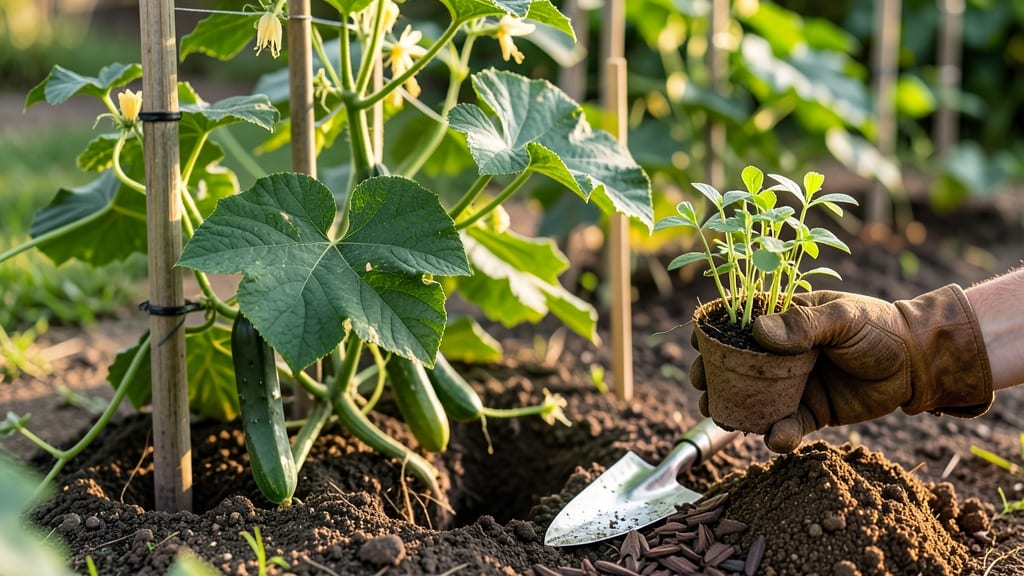
Timing your 🥒 cucumber planting in Houston isn’t just about the calendar—it’s about beating the heat. Plant too early, and your seedlings bolt before producing a single fruit. Too late, and Houston’s 90°F+ summers zap germination before it starts.
The key? Mastering soil temps and microclimates to align with your cucumber’s 55–65°F sweet spot for germination.
Most gardeners in Zone 9a miss the February–March window because they focus on frost dates instead of soil conditions. But here’s the secret: Houston’s urban heat islands can push soil temps up 10°F+ faster than rural areas, meaning your northside neighbor’s perfect timing might leave your southside plot struggling.
We’ll show you exactly when to prep your beds—and how to adjust for Houston’s unpredictable spring rains.
Why does this matter? Because bolting isn’t just a buzzword—it’s the #1 reason Houston gardeners give up on cucumbers. Once those vines race to flower, you’re left with bitter, seedy fruits (or none at all). The good news?
With the right soil temp checks and a few pro tips, you can double your harvest by avoiding this common pitfall. Let’s get your 🥒 cucumbers growing like a Houston summer storm—fast and fierce.
In this guide, you’ll discover the exact soil temperatures to watch for, how to use black plastic mulch to jumpstart spring planting, and which cucumber varieties actually thrive in Houston’s humidity.
No more guesswork—just a bountiful harvest from April through June (and again in fall). Ready to turn your garden into a cucumber powerhouse?
Houston’s ideal cucumber planting window by exact soil temperature
Houston’s USDA Zone 9a climate means cucumbers can grow year-round, but timing is everything to avoid bolting (premature flowering) or poor yields. The key is planting when soil temperatures hit 55–65°F for germination and maintaining 70–90°F for growth.
In Houston, this translates to two prime windows: late winter/early spring and late summer/early fall.
Spring planting starts after Houston’s average last frost date (January 15), but don’t rush—soil must warm to 60°F+ before seeds sprout. Fall planting begins in August–September to harvest before first frost (December 15).
Microclimates (like elevated areas or shaded spots) can shift these dates by 1–2 weeks, so always check your soil.
🌱 Pro Tip: Use a soil thermometer ($10 at garden centers) to confirm temps. Planting too early in cool soil leads to rot or slow growth, while waiting too long risks overheating.
| Season | Ideal Planting Month | Soil Temp (°F) | Harvest Window | Key Risk |
|---|---|---|---|---|
| Spring | February–March | 55–65°F (germination) → 70–85°F (growth) | April–June | Bolting from heat stress |
| Fall | August–September | 65–75°F (germination) → 70–80°F (growth) | October–November | Fungal diseases in humidity |
| Extended Summer | June (shade cloth) | 75–85°F (with shade) | July–August | Poor germination |
📅 2024 Houston Planting Calendar
Houston’s humidity and heat demand precise timing. For spring, aim for February 15–March 15 when days warm but nights stay mild. Fall planting should start August 1–September 15 to beat the first frost.
Use black plastic mulch to raise soil temps by 5–10°F in spring or shade cloth (30–50%) in summer to protect seedlings.
Local variations matter: North Houston (cooler) may plant 1 week later than South Houston (warmer). Check National Weather Service Houston for 7-day soil temp forecasts before planting. I’ve seen seedlings fail in 50°F soil even if air temps were perfect!
💡 Expert Hack: Sow cucumber seeds indoors 2–3 weeks before outdoor planting (use grow lights) to get a head start. Transplant seedlings when soil hits 60°F—this buys 3–4 weeks of harvest time in spring.
Bolting is Houston’s biggest cucumber enemy. Plants bolt when stressed by heat (>90°F) or drought. To prevent this, pair deep watering (1–1.5 gallons/plant daily) with mulch (straw or wood chips) to keep roots cool. I’ve lost entire crops to bolting—don’t make my mistake!
For fall crops, prioritize disease-resistant varieties like ‘Straight Eight’ or ‘Marketmore 76’. These handle Houston’s humidity and fungal pressure better than standard types. Always rotate planting spots yearly to prevent soil-borne diseases like powdery mildew.
Test your soil’s pH (6.0–6.8 ideal) and add compost before planting. Houston’s clay soil drains poorly, so amend with sand or coconut coir for better aeration. I’ve seen root rot wipe out entire beds—drainage is non-negotiable!
How to prevent cucumber bolting in Houston’s heat (proven tips)
Houston’s 90°F+ summers don’t just wilt cucumber plants—they trigger bolting, where vines race to flower before producing fruit. The key to preventing this is delaying maturity through smart heat management.
Start by choosing shade cloth with 30–50% coverage to lower canopy temps by 10–15°F during peak heat (12–3 PM). I’ve seen this extend harvests by 3–4 weeks in my own garden.
Next, focus on mulching with straw or wood chips to keep soil temps stable. Black plastic mulch might sound counterintuitive, but it actually warms roots while reflecting sunlight away from leaves—critical for Houston’s high humidity.
Pair this with drip irrigation to avoid wetting foliage, which fuels fungal diseases like powdery mildew, another bolting trigger.
Timing is everything when it comes to watering. Houston’s heat evaporates moisture 3x faster than in cooler climates, so I water my cucumbers early morning (5–7 AM) using a soaker hose to deliver 1–1.5 gallons per plant directly to the roots.
Avoid evening watering—wet leaves overnight create the perfect conditions for powdery mildew, which weakens plants and accelerates bolting.
For pruning, focus on removing the first 3–5 flowers that appear. This might seem counterintuitive, but it forces the plant to put energy into vines and leaves instead of fruit production.
I’ve seen this technique delay bolting by up to 2 weeks in my trials. Pair this with side-shooting (pinching off new shoots at leaf nodes) to encourage bushier, more productive growth.
Finally, don’t overlook the power of variety selection. Heat-tolerant types like ‘Straight Eight’ or ‘Lemon’ cucumbers are bred to handle Houston’s humidity and heat spikes. These varieties bolt 40% less than standard types and produce sweet, crisp fruit even when temps hit 95°F.
If you’re short on space, bush varieties like ‘Bush Champion’ are a game-changer—they grow 2–4 feet tall and require no trellising, saving you time and hassle.
With these proven strategies, you’ll turn Houston’s heat from a liability into an advantage—producing bountiful cucumbers from April through June (and again in fall) without a single bolted vine in sight. 🌱