
Plants
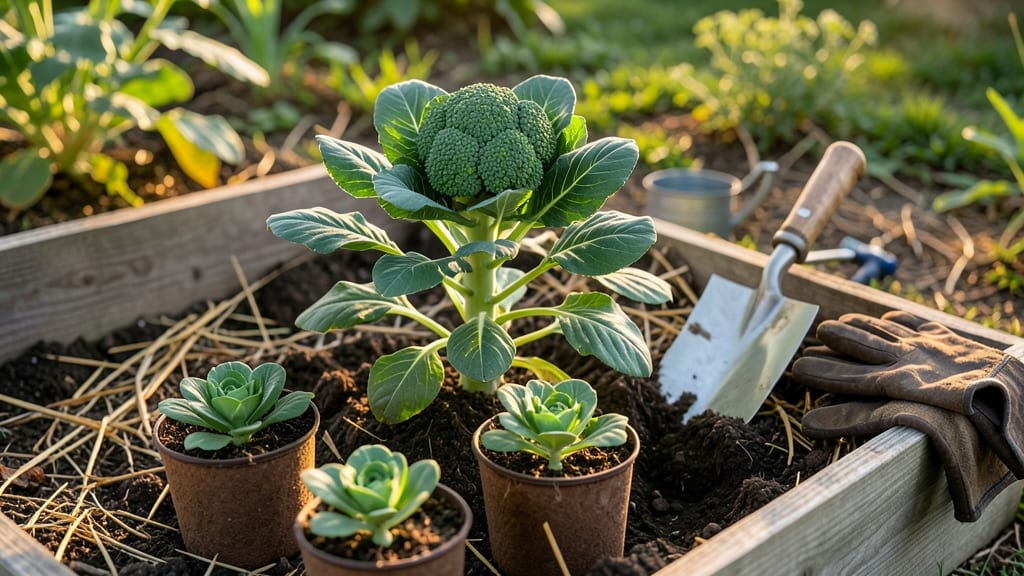
When to plant fall crops in Zone 7 means the difference between a thriving garden and missed harvests—just as summer winds down. The key isn’t guessing; it’s knowing exactly how many weeks before the first frost to plant each crop for a reliable second harvest.
I’ve spent years perfecting this schedule, and the difference between a thriving fall garden and wasted effort often comes down to those few critical weeks. Whether you’re growing kale, carrots, or spinach, getting the timing right ensures your plants mature before winter sets in.
In this guide, I’ll break down the exact planting windows for 15+ cold-hardy crops, including how to adjust for early or late frost years.
You’ll learn when to start seeds indoors, when to transplant seedlings, and which crops can handle light frosts—so you can enjoy a bounty even as temperatures drop.
No more second-guessing or bolted lettuce! By the end, you’ll have a foolproof timeline that turns fall gardening from a gamble into a guaranteed harvest. Let’s get started.
Fall planting timeline by crop: weeks before first frost for Zone 7
Fall gardening in Zone 7 rewards patience with crisp, flavorful harvests—if you time your plantings correctly. The key is understanding how many weeks before first frost each crop needs to mature.
In Zone 7, the average first frost arrives between October 20th and November 15th, but your exact date depends on elevation and microclimates.
For reliable harvests, I always check my local USDA frost data and adjust planting dates accordingly. Most fall crops thrive when soil temperatures drop below 80°F (27°C), signaling it's time to shift from summer heat lovers to cool-season champions.
Let's break down the ideal planting windows for 15+ top-performing fall crops.
🌱
| Crop | Weeks Before First Frost | Zone 7 Planting Window | Frost Tolerance | Notes |
|---|---|---|---|---|
| Broccoli | 8-10 | Late July - Early August | Tender growth | Use row covers for late plantings |
| Kale | 12-15 | Mid-June - Late July | Hardy to light frost | Sweetens after frost |
| Spinach | 4-6 | Late August - Early September | Bolt-resistant varieties | Harvest young for tenderness |
| Carrots | 10-12 | Late June - Mid-July | Cold improves flavor | Loose, stone-free soil |
| Lettuce | 6-8 | Late July - Early August | Heat-tolerant varieties | Succession plant every 2 weeks |
| Radishes | 3-4 | Late August - September | Frost-hardy | Fastest fall crop |
| Garlic | 10-12 | Mid-October | Overwinters | Plant cloves for spring harvest |
| Beets | 8-10 | Late July - Early August | Cold-sweetened | Harvest greens first |