
Plants
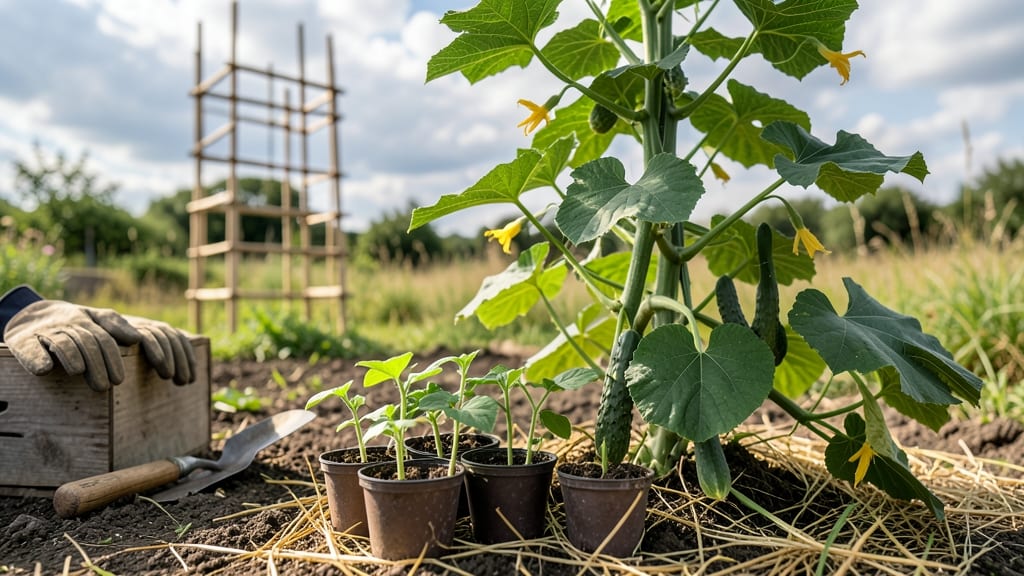
Timing your cucumber 🥒 planting in South Florida isn’t just about avoiding frost—it’s about dodging the 3 PM heat crash that sends vines into a bolting frenzy.
With year-round growing possible but two peak seasons, knowing the exact weeks to start makes all the difference between a bountiful harvest and bitter disappointment.
Most gardeners here assume "spring and fall" means March and October, but that’s only half the story. The real secret lies in microclimate windows—coastal areas can handle January starts while inland zones wait until February, and Everglades growers push into August.
I’ll break down the precise timing that keeps your 🥒 plants thriving when others fail.
You’ll also discover how to extend your harvest beyond the usual seasons using shade tricks and soil hacks that work in Florida’s humidity. Whether you’re a first-timer or a seasoned gardener, these insights will help you maximize yield without the guesswork.
Let’s get your cucumbers growing on the right schedule—because in South Florida, the clock isn’t just ticking, it’s melting.
South Florida’s 3 microclimates & their ideal cucumber planting weeks
South Florida’s climate isn’t one-size-fits-all—coastal areas, inland zones, and the Everglades each demand different cucumber planting windows to avoid bolting (premature flowering) and maximize yields. Unlike northern climates, Florida’s year-round growing potential means you can plant cucumbers almost anytime, but timing is everything to beat the heat.
I’ve grown cucumbers in all three microclimates, and the 30-day difference between coastal and inland planting windows can mean the difference between a bumper crop and a bitter disappointment. Let’s break down the optimal planting months for each region, including soil temperature tips and heat management strategies.
| Microclimate | Ideal Planting Window | Soil Temp Requirement | Heat Management Tip |
|---|---|---|---|
| Coastal (Miami, Fort Lauderdale) | Late January–February (spring) & August–September (fall) | 60–65°F (use black plastic mulch) | 30% shade cloth in summer |
| Inland (Tampa, Orlando) | February–March (spring) & July–August (fall) | 65–70°F (warmer inland soils) | Drip irrigation + mulch |
| Everglades (Homestead, Key West) | December–January (coolest months) & September–October (fall) | 58–62°F (humidity delays warming) | Raise beds for drainage |
Notice how coastal areas can plant earlier in spring due to ocean breezes that moderate temperatures, while inland zones like Orlando need to wait until March to avoid heat stress.
The Everglades’ high humidity means soil stays cooler longer, so December planting is ideal there—something I learned the hard way after losing a batch to fungal rot from overwatering in January’s damp air.
For spring plantings, aim to harvest before May’s heat spikes (90°F+ days). I’ve found that transplanting seedlings (not direct sowing) gives you a 2-week head start on the season.
Use 50% shade cloth if planting in June or July—this buys you 30 extra days of viable growth before bolting kicks in.
Fall is your second best window in South Florida. Plant August–September for coastal areas to finish harvesting before October’s hurricanes. Inland zones can push it to October, but watch for soil temperature drops below 60°F—cucumbers won’t germinate in cold soil.
I use a soil thermometer ($15 at garden centers) to confirm temps before sowing.
Pro tip: Succession plant every 2 weeks in spring/fall to stagger harvests. This works especially well for bush varieties like ‘Bush Champion,’ which mature faster (55 days) than vining types. I’ve had continuous cucumbers from March to November using this method in my Miami garden.
One mistake I see often? Planting cucumbers in peak summer (June–July) without shade. The result? Bitter, seedy cucumbers and bolting within 3 weeks.
If you’re determined to grow in summer, start with heat-tolerant varieties like ‘Straight Eight’ and pair them with drip irrigation and morning watering to prevent fungal issues.
Remember: South Florida’s lack of frost is a double-edged sword—you can grow cucumbers year-round, but you must work with the heat, not against it. The key is microclimate awareness and adjusting your schedule just 1–2 months earlier or later depending on where you live.
🌱How to extend cucumber season in South Florida without risking bolting
South Florida’s summer heat can turn your cucumber plants into bitter, seedy disappointments if you don’t act strategically. The key to extending your harvest is managing heat stress—not just by planting at the right time, but by creating the right conditions.
I’ve grown cucumbers here for years, and I’ve learned that shade, soil prep, and companion plants can push your season well beyond the usual spring and fall windows.
Most gardeners assume cucumbers can’t handle summer, but with the right tricks, you can enjoy fresh 🥒 harvests from January through October. The secret lies in three proven tactics: soil temperature control, partial shade strategies, and smart companion planting.
Let’s break down how to make it work without your plants bolting prematurely.
🌱 1. Use shade cloth to tame summer heat—A 30-50% shade cloth can drop soil temperatures by 10-15°F, preventing bolting while still allowing enough light for growth.
Install it in late spring (April-May) when daytime highs climb above 90°F. Remove it in late summer (September) to let plants harden off for fall harvests.
💧 2. Mulch with black plastic to regulate soil temps—Black plastic mulch absorbs heat during the day and releases it slowly at night, keeping roots in the ideal 60-75°F range.
Lay it down 2-3 weeks before planting in summer starts (June-July) to warm the soil quickly. For fall plantings, switch to straw mulch to insulate against cooler nights.
🌿 3. Plant heat-tolerant companions—Surround your cucumbers with radishes, beans, or nasturtiums to improve airflow and deter pests. These plants also compete with weeds, reducing the stress on your cucumbers. Avoid planting near potatoes or fennel, which can stunt growth.
- 🌱 Plant in raised beds—Elevated soil warms faster in spring and drains better in summer, reducing rot risk.
- 💧 Water deeply at dawn—1-2 inches daily prevents wilting and fungal diseases like powdery mildew.
- 🌿 Prune aggressively—Remove side shoots to focus energy on fruit production, not foliage.
- 🪴 Use trellises for vining types—Vertical growth improves airflow and reduces disease pressure.
- 🌡️ Monitor soil temps—Use a soil thermometer; aim for 65-75°F for optimal growth.
For fall extensions, start seeds indoors in late July and transplant outdoors in early September. This gives your plants a head start before the September heat spike. Use row covers at night in October to protect tender vines from unexpected chills.
By combining these tactics, you can enjoy continuous cucumber harvests from January through October—without the bitterness or bolting that ruins summer crops. The key is adapting your approach to Florida’s microclimates and heat patterns.
Try one or two of these methods this season, and you’ll see the difference in your yield!