
Plants
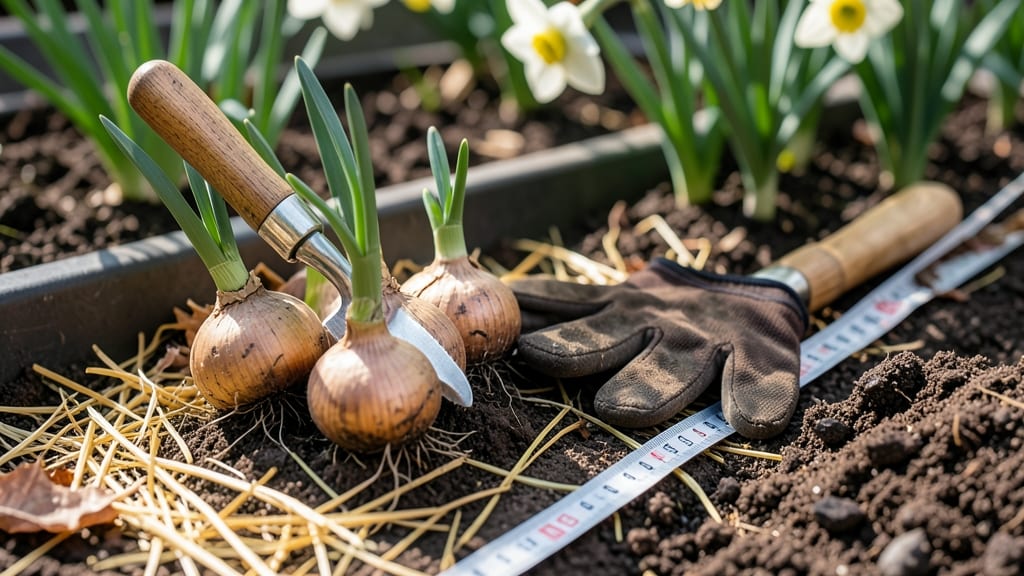
Planting daffodil bulbs in Wisconsin at the wrong time could mean no blooms next spring—but getting the timing right guarantees a burst of cheerful 🌼 color that brightens even the grayest winter days.
The key lies in understanding your local frost dates and soil conditions, especially in zones 4a-5b where temperatures can swing dramatically.
Most gardeners assume late fall is the only option, but in Wisconsin, the ideal window actually opens in September and stretches into early October. This gives bulbs time to establish roots before the ground freezes, setting them up for strong growth when spring arrives.
I’ll show you exactly how to read your frost forecast and adjust your planting schedule accordingly.
Why does timing matter so much? Plant too early, and your bulbs might rot in wet soil. Too late, and they won’t root deeply enough to survive winter’s harsh conditions.
The solution? A simple 6-week rule: plant when your soil temperature hovers around 45-55°F and you have about six weeks until the first hard frost.
Let’s break down the exact steps to time your planting perfectly—so you can enjoy Wisconsin’s first signs of spring with a garden full of vibrant daffodils that’ll make your neighbors jealous. Ready to get started?
Wisconsin daffodil planting calendar: best months by hardiness Zone
Wisconsin’s Zone 4a-5a climate demands precise timing for daffodil bulbs—plant too early, and they’ll rot in wet soil; too late, and frost heave can damage roots. The ideal window is mid-September through early November, when soil temps hover between 45-55°F and before the ground freezes solid.
This ensures bulbs establish roots without succumbing to winter’s harshest conditions.
Northern Wisconsin (Zones 3b-4a) has a shorter window—aim for late September to mid-October—while southern regions (Zone 5a) can extend planting until early November. Use your last frost date (typically mid-October) as a guide: plant bulbs 6-8 weeks before the first hard freeze to allow root growth before dormancy.
🌼 Pro Tip: Check soil temps with a thermometer—50°F is the sweet spot for planting. If temps drop below 40°F, cover bulbs with straw mulch to insulate them until spring.
| Zone | Best Planting Window | Soil Temp Requirement | Frost Risk |
|---|---|---|---|
| 3b-4a (Northern WI) | Late September–Mid-October | 45–50°F | High (early snow) |
| 4b-5a (Central/Southern WI) | Mid-September–Early November | 50–55°F | Moderate (variable) |
| 5a (Far Southern WI) | Early September–Mid-November | 50–55°F | Low (later frost) |
For southern Wisconsin gardeners, early September planting is safe—bulbs can handle cooler soils if they’re dry. However, northern regions should wait until after the Labor Day weekend to avoid soggy soil from early rains. Always plant 6 inches deep and 6 inches apart for optimal airflow and drainage.
🌱 Local Tip: If you’re unsure about frost dates, use the National Weather Service’s Frost Prediction Tool for your specific county. Wisconsin’s microclimates vary wildly—what works in Milwaukee may fail in Eau Claire.
After planting, water deeply to settle the soil, but avoid overwatering—daffodils hate wet feet. Once bulbs are in the ground, mulch with 2-3 inches of straw to protect them from frost heave (when freezing/thawing cycles push bulbs upward).
This is especially critical in Zone 4a, where winter soil temps can drop below 0°F.
💧 Watering Schedule: Give bulbs 1 inch of water weekly until the ground freezes. After that, let nature take over—daffodils are drought-tolerant once established. Come spring, you’ll see vibrant blooms as a reward for your precise timing!
If you’re in a transition zone (like Madison or Green Bayearlier planting. Bulbs planted in late October may not root deeply enough before winter, leading to smaller or delayed flowers. Use a soil thermometer to confirm temps are in the 50-55°F range before committing.
Finally, avoid planting in clay-heavy soil—daffodils thrive in sandy loam with good drainage. Amend heavy soil with compost or perlite to prevent rot. With the right timing and soil prep, your Wisconsin daffodils will bloom earlier and more abundantly than neighbors who guess their planting window!
5 Critical factors that determine perfect daffodil planting timing in Wisconsin
Timing your daffodil bulbs correctly in Wisconsin isn’t just about picking a month—it’s about understanding five critical factors that can make or break your blooms. First, soil temperature is your best friend: aim for 45-55°F at planting depth (6 inches). Cooler soil slows root growth, while warmer soil risks rot.
Next, check your frost forecast. Wisconsin’s first hard frost typically arrives in mid-October, but this varies by region. Plant bulbs 6 weeks before your average frost date to ensure roots establish before winter sets in. Use the National Weather Service’s frost maps for your county.
Don’t overlook bulb dormancy needs. Daffodils need a 12-16 week cold period (40°F or below) to bloom reliably. In southern Wisconsin (Zone 5a), this happens naturally, but in northern areas (Zone 4a), you might need to plant earlier to meet this requirement.
Soil moisture is another game-changer. Wisconsin’s fall can be wet, and soggy soil causes bulbs to rot. Amend your soil with compost or sand to improve drainage, especially in clay-heavy areas. A simple percolation test—dig a hole, fill it with water, and time how long it drains—can save your bulbs.
Finally, consider early snow cover. If your area gets heavy snow before roots establish, bulbs can heave out of the ground. In these cases, plant deeper (6 inches) or use a mulch layer (2-3 inches of straw) to protect them.
This is especially critical in northern Wisconsin’s Zone 4a.
- 🌡️ Soil Temperature: 45-55°F at 6" depth for root growth
- ❄️ Frost Forecast: Plant 6 weeks before first hard frost (mid-October avg.)
- ⏳ Dormancy Needs: 12-16 weeks below 40°F for reliable blooms
- 💧 Soil Moisture: Well-draining soil prevents rot (test with percolation test)
- ❄️ Snow Cover Risk: Plant deeper in Zone 4a or use mulch protection
Pro tip: Use a soil thermometer to monitor temperatures—it’s the most accurate way to time your planting. If you’re still unsure, late September is the safest bet for most of Wisconsin, giving you flexibility for early or late frosts.
Just remember: earlier planting = more time for roots, but too early = rot risk.
Once you’ve nailed these factors, your daffodils will reward you with bold, early spring blooms that outshine even Wisconsin’s snowiest days. The key is balancing these variables—don’t let one factor override the others. For example, planting in cold but dry soil is better than waiting for warm but soggy conditions.