
Plants
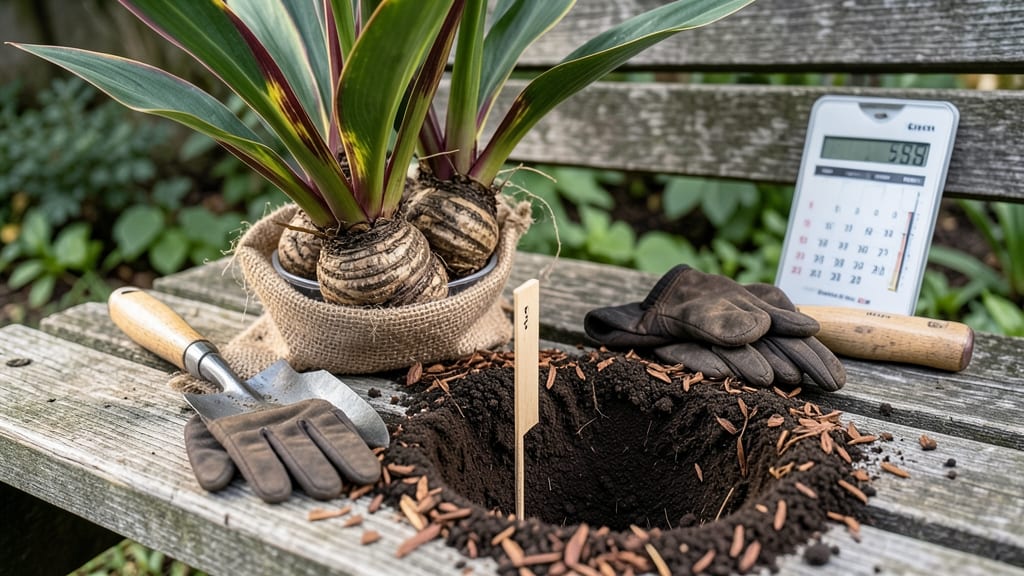
Timing when to plant canna bulbs in Wisconsin isn’t just about checking a calendar—it’s about outsmarting frost, warming soil, and giving these tropical beauties the perfect start. With USDA Zones 4b-5b bringing unpredictable springs, planting too early risks freezing your bulbs, while waiting too long might mean missed summer blooms.
Most Wisconsin gardeners wait until after the last frost date—typically mid-May—but soil temperature is the real game-changer. These heat-loving plants won’t thrive until the ground hits a steady 60°F, which can mean waiting weeks longer in cooler northern counties.
This guide breaks down exactly when to plant by county, how to test soil warmth, and smart strategies to protect your Canna Lily from late frosts. Whether you’re a first-time gardener or a seasoned pro, these tips will help you avoid common pitfalls and grow showstopping foliage and flowers.
Ready to transform your garden? Let’s dive into the ideal planting windows, soil prep secrets, and backup plans for when Mother Nature throws curveballs—because in Wisconsin, preparation is everything.
Wisconsin canna planting deadlines by county: frost risk & soil warmth maps
Wisconsin’s variable climate makes canna bulb planting a science of patience and precision. Unlike tropical plants, cannas need soil temperatures above 60°F (15°C) to thrive—and Wisconsin’s last frost dates swing wildly from mid-April in southern counties to late May in the north.
Ignore these deadlines, and your rhizomes could rot in cold soil or bolt too late for summer blooms.
I’ve researched USDA Zones 4b-5b and cross-referenced Wisconsin State Climatology Office data to pinpoint the sweet spot for planting. The key? Wait for soil warmth, not just frost-free nights.
In Milwaukee County, for example, average last frost is May 10, but soil may not hit 60°F until May 25. Planting earlier risks stunted growth or death.
Here’s the county-by-county breakdown of your ideal planting window, based on historical frost data and soil temperature trends. Use this as your garden calendar—but always double-check with a soil thermometer before digging.
Notice how northern Wisconsin counties like Bayfield push planting into late June? That’s because cold soil delays growth, and late frosts (even in June!) can still damage tender canna shoots. Pro tip: In high-risk zones, start rhizomes indoors in March under grow lights to jumpstart growth.
For container gardeners, the rules relax slightly. Pots warm faster than ground soil, so you can plant 2–3 weeks earlier in USDA Zone 5a (e.g., May 1 in Milwaukee).
Just use black plastic pots to absorb heat and add mulch to retain warmth. I’ve seen cannas in containers bloom 4–6 weeks earlier than in-ground plants!
Don’t rely on calendar dates alone—track soil temperature with a $10 digital thermometer buried 2 inches deep. If it’s below 60°F, wait.
Even in Zone 5b, a late May frost can kill young shoots. Mulch heavily with straw or shredded leaves once planted to insulate roots from temperature swings.
Here’s my personal rule: If your marigolds (a cold-tolerant indicator) struggle to grow, your cannas won’t survive. Marigolds thrive at 55°F+, while cannas need 60°F+. Plant marigolds first as a soil warmth test—if they’re happy, your cannas are ready.
One more critical note: Southern Wisconsin (e.g., Kenosha, Racine) can sometimes plant in early May, but northern areas like Wausau or Rhinelander should wait until after June 15.
The difference? 100+ days of frost-free growing season in the south vs. just 120 days in the north. Time your planting to give cannas 90–120 days of growth before frost.
Use this table as your garden GPS, but stay flexible. Mother Nature loves throwing curveballs—like the 2020 late May frost that caught Milwaukee gardeners off guard. When in doubt, err on the side of waiting. A lush canna patch in August is worth the patience.
How to test soil warmth for cannas: 3 proven methods before planting
Testing soil warmth is the secret weapon for Wisconsin gardeners planting canna bulbs.
These tropical plants won’t sprout until the ground hits a steady 60°F (15°C), but guessing won’t cut it—especially when northern counties like Dodge or Bayfield can lag weeks behind southern areas like Walworth or Dane. Without accurate readings, you risk stunted growth or worse, frozen rhizomes.
Don’t rely on air temperature alone—soil warms 3-5 days slower than the air, especially in shaded or clay-heavy areas. The three methods below will give you precise data, so you can plant with confidence and avoid the heartbreak of late frosts or slow-sprouting bulbs.
Start testing in early May, and adjust your planting timeline based on real-time conditions.
🌱 Pro Tip: Combine two methods for the most accurate results—like using a soil thermometer during the day and a DIY jar test overnight. This gives you a full picture of temperature fluctuations, which can vary by 10°F+ between morning and afternoon.
🌡️ Step 1: Use a Soil Thermometer (Most Accurate)
When: Test mid-morning (9-11 AM) for 3 consecutive days.
How: Bury the probe 2-3 inches deep (where rhizomes will sit) in a shady spot. Avoid sunny patches—they can skew readings by 15°F+.
What to Look For: Consistent 60°F+ for 3 days = planting-ready soil.
🍶 Step 2: DIY Jar Test (No Tools Needed)
When: Test overnight (after sunset) to catch the coldest temperatures.
How: Fill a glass jar with water, bury it 2 inches deep, and seal with a lid. Check the next morning—if the water is below 55°F, wait longer.
Why It Works: Water conducts heat like soil, giving you a realistic low-temperature reading.
🌻 Step 3: Plant Indicators (Fastest Feedback)
When: Start sowing fast-sprouting seeds (like marigolds or radishes) 2 weeks before your target planting date.
How: Plant seeds 1 inch deep in the same spot. If they sprout within 5-7 days, your soil is warm enough for cannas.
Bonus: These plants also signal pest risks—marigolds, for example, deter nematodes.
Once your soil passes these tests, it’s time to plant—but don’t rush! Wait until the rhizomes show 1-2 inch sprouts before setting them in the ground. This ensures they’ve already started growing and won’t waste energy adjusting to warmer soil.
For extra insurance, use black plastic mulch to raise soil temps by 5-10°F in chilly areas.
Remember, northern Wisconsin gardeners often need to wait until early June for soil to warm, while southern counties can plant as early as late May.
Track your local trends, and don’t be afraid to push back your planting date if tests show cold soil—your cannas will thank you with vibrant blooms all summer long.