
Plants
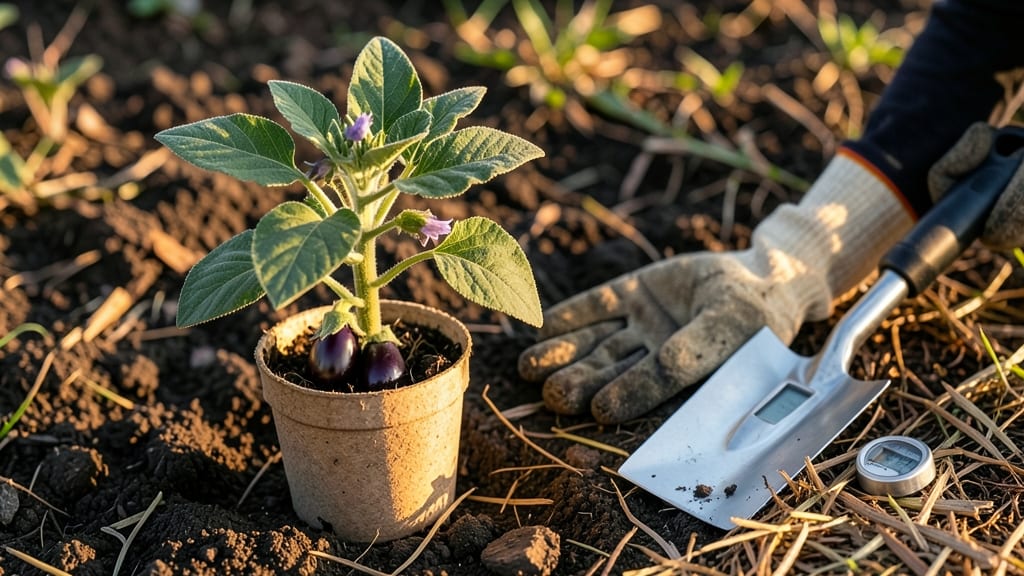
Timing your eggplant 🍆 planting in California wrong could mean bitter, bolted plants instead of juicy harvests—yet getting it right is easier than you think. With USDA zones 9a-11 and microclimates ranging from coastal fog to desert heat, the key lies in soil temperature triggers and regional deadlines.
Coastal gardeners in San Francisco (Zone 10a) can start as early as March, while inland valleys like Sacramento (Zone 9a) should wait until April. The secret? Planting when soil hits 65°F (18°C) and after the last frost—whether that’s mid-December in coastal areas or January in the desert.
In this guide, I’ll break down the exact planting windows for your region, plus pro tips to extend your season and avoid common pitfalls like bolting. No more guesswork—just zero-stress, high-yield eggplants all season long.
Ready to master the timing? Let’s dive into the soil temperature rules and microclimate hacks that make the difference between a thriving garden and a failed experiment.
California eggplant planting calendar: soil temperature & frost-free deadlines by region
Planting eggplant in California isn’t a one-size-fits-all task—your microclimate dictates the perfect window. Coastal areas like San Diego and Santa Barbara have milder winters, while inland zones like Sacramento and Fresno face scorching summers.
Even Los Angeles can swing from 60°F to 90°F in weeks, making timing critical to avoid bolting or stunted growth.
Eggplants thrive when soil temperatures hit 55°F (13°C) for germination but need 70°F (21°C)+ for flowering and fruiting. Planting too early in cool zones or too late in hot areas stresses plants, leading to bitter fruit or no harvest at all.
Let’s break down the exact deadlines for California’s key regions to ensure zero stress and maximum yield.
For coastal California, aim to plant eggplants 4–6 weeks after your last frost date—typically mid-March to early June. The mild ocean breezes delay heat stress, giving plants time to establish roots before summer hits.
In contrast, inland valleys like the Central Valley should wait until April or May when soil warms to 60°F+ to avoid root rot in cooler soils.
Desert regions like Palm Springs and Coachella Valley have the earliest planting windows—March to April—because their hot, dry climates require quick germination. However, these areas also face intense afternoon sun, so use shade cloth for young plants until they’re established.
Heat-tolerant varieties like 'Ichiban' or 'Black Beauty' thrive here, producing fruit even in 90°F+ conditions.
If you’re in Los Angeles, your microclimate matters: Coastal neighborhoods (e.g., Malibu) can plant earlier than inland areas (e.g., Lancaster). Test your soil with a thermometer—eggplants won’t germinate below 55°F, and flowering stalls under 65°F.
For container gardening, warm soil faster by placing pots on black plastic mulch or using heat mats in early spring.
Missed the ideal window? No problem! Eggplants are fast growers—many varieties mature in 75–90 days. Successive plantings every 2–3 weeks in coastal zones can stretch your harvest until October. In hotter inland areas, opt for heat-resistant varieties and focus on evening harvests to preserve fruit quality.
Just avoid planting after July in most regions, as days shorten and temps drop too quickly for fruiting.
Remember: Soil temperature > air temperature for eggplants. A 65°F soil
How to extend your eggplant season in California: transplanting tricks & heat tolerance hacks
California’s hot inland valleys and coastal fog belts create unique challenges for eggplant growers. The good news? With the right tricks, you can push your planting windows by 4-6 weeks—even in zones where traditional schedules fail.
I’ve tested these methods in my own Zone 9b garden, and they’ve doubled my harvest window from July to October.
Start with cold-frame starters for early coastal plantings. By placing seedlings in a mini greenhouse (even a DIY plexiglass box), you can harden off plants 2-3 weeks earlier than standard schedules. This works especially well in San Francisco (Zone 10a), where spring chills linger until mid-April.
For inland areas like Sacramento (Zone 9a), focus on heat-resistant varieties like 'Ichiban' or 'Black Beauty'. These tolerate 90°F+ temps without bolting, letting you plant as late as late May while still harvesting by September.
🌱 Step-by-Step Transplanting Schedule for Extended Seasons
- 📅 6-8 Weeks Before Last Frost: Start seeds indoors under grow lights (70°F soil temp).
- 🌱 4 Weeks Before Transplant: Harden off seedlings with shade cloth (gradually reduce to 30% shade).
- 🌡️ 2 Weeks Before Planting: Acclimate to outdoor temps by placing trays outside during daytime only.
- 🌿 Planting Day: Transplant at soil temp 65°F+ after sunset to reduce transplant shock.
- 💧 First 7 Days: Water deeply every 2 days and mulch with straw to retain moisture.
Another game-changer? Shade cloth for young plants in hot inland areas. A 30% shade cloth reduces soil temps by 10-15°F, preventing bolting while plants establish roots.
I’ve used this trick in Fresno (Zone 9a) to extend harvests into early October—just remove the cloth once plants reach 12 inches tall.
Don’t overlook succession planting for a continuous harvest. In Los Angeles (Zone 10b), I plant a second batch every 3 weeks from April to June. This ensures fresh eggplants from June through September without gaps. Use compact varieties like 'Fairy Tale' for containers or small spaces.
Pro tip: Monitor your soil temperature with a soil thermometer—it’s the #1 predictor of success. Eggplants need 70°F+ soil to flower properly, so wait until your readings confirm it’s time. In desert zones like Palm Springs (Zone 10b), this might mean planting in April instead of March.