
Planting
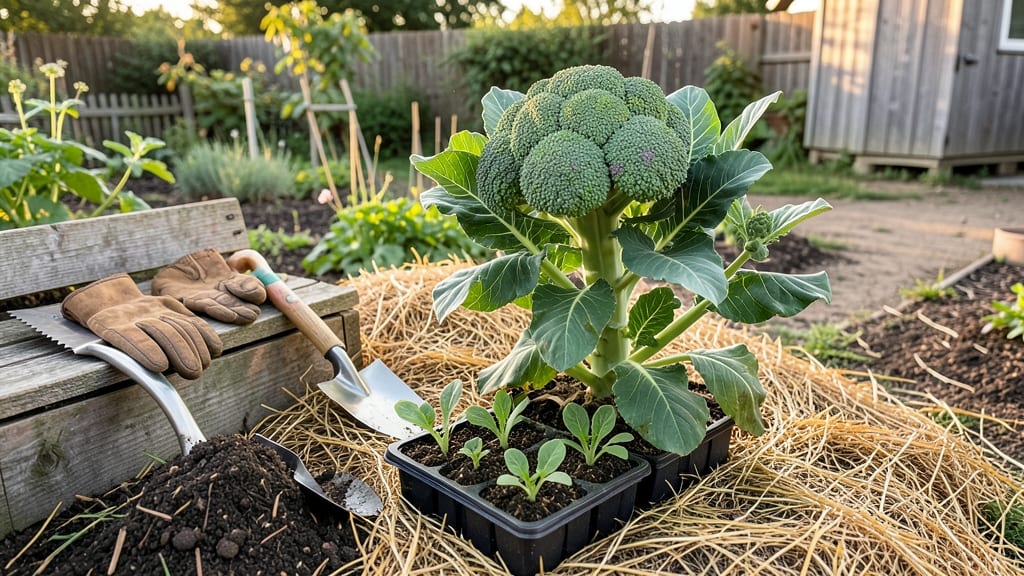
If you’ve ever watched your summer garden fade with the first crisp autumn breeze, you know the frustration of waiting too long to plant a fall garden in North Carolina. But here’s the good news: NC’s unique climate lets you squeeze in a second harvest—if you time it right.
The key is understanding your USDA zone and local frost dates, which can shift your planting window by weeks depending on whether you’re in the mountains or coastal plains. Whether you’re dreaming of crisp kale or sweet carrots, getting these details wrong means wasted seeds and empty beds by November.
I’ll break down the exact planting dates by zone, from Zone 7a to Zone 8b, so you can avoid common mistakes like overcrowding or choosing crops that bolt before frost. With the right timing, your fall garden could outperform your spring one—no guesswork needed.
Ready to turn those late-summer heat waves into a thriving harvest? Let’s dive into the strategies that’ll keep your garden productive until the first snowflakes.
North Carolina fall planting dates by USDA Zone: exact timelines for zero-frost success
North Carolina’s diverse USDA hardiness zones (7a-8b) create unique planting windows for fall gardens. Unlike spring, where warm soil is key, fall success hinges on soil warmth and frost timing.
In Zone 7a (western NC), your last planting window might be mid-October, while Zone 8b (coastal) extends until early December. These dates ensure crops mature before first frost—typically November 15-30 in the mountains and December 15 along the coast.
Direct sowing cool-season crops like spinach and carrots has a narrower window than transplanting heartier plants such as broccoli or kale. For example, you can transplant cabbage until late October in most zones, but direct-seeded radishes must be in the ground by early September to avoid bolting.
Understanding these zone-specific deadlines prevents wasted seeds and frost-killed seedlings.
Here’s the critical fall planting timeline for NC, broken down by zone and crop type:
| USDA Zone | First Frost Avg. | Direct Sow Window | Transplant Window | Example Crops |
|---|---|---|---|---|
| 7a (Mountains) | Nov 15 | Aug 15–Sep 15 | Sep 1–Oct 15 | Spinach, kale, carrots |
| 7b (Piedmont) | Nov 20 | Aug 1–Sep 20 | Sep 10–Oct 20 | Broccoli, radishes, lettuce |
| 8a (Coastal Plains) | Nov 25 | Jul 15–Sep 25 | Sep 15–Nov 1 | Collards, turnips, peas |
| 8b (Coastal) | Dec 15 | Jul 1–Oct 15 | Sep 20–Nov 15 | Cabbage, Brussels sprouts |
⚠️ Pro Tip: Add 4–6 weeks to maturity dates for fall crops to account for slower growth in cooler temps.
For Zone 7a gardeners, focus on fast-maturing crops like bush beans or turnips (45–60 days) to harvest before frost. In Zone 8b, you can push the envelope with Brussels sprouts or cabbage, which tolerate light frosts and even sweeten when exposed to 28–32°F temps.
Always check your local frost date—NC State Extension’s Frost/Freeze Forecast is a game-changer for precision planting.
Succession planting is your secret weapon in fall. Instead of planting everything at once, stagger leafy greens like lettuce or spinach every 2 weeks from August through September. This ensures a continuous harvest until hard frosts hit.
For example, sow radishes in early August for a September harvest, then repeat in mid-September for an October pick—just before frost.
Soil temperature matters just as much as air temperature. Use a soil thermometer to confirm 50–60°F for cool-season crops. In western NC, soil cools faster, so plant earlier (late July) for crops like carrots or beets.
Along the coast, warmer soils allow later plantings—even early October for broccoli transplants in Zone 8b.
Microclimates can shift your planting window by 2–4 weeks. A south-facing slope stays warmer longer, while a low-lying area may frost earlier. Test your space by planting a trial row of spinach in late August—if it thrives, you’re safe to expand.
If it bolts or yellows, adjust your timeline 2 weeks earlier next year.
Don’t overlook warm-season crops like sweet potatoes or southern peas, which can still be planted in early August for a fall harvest. These thrive in 80–90°F soil and mature before cooler temps set in. Pair them with cool-season crops like kale or collards for a year-round harvest strategy.
Mark your calendar for these NC-specific deadlines:
- August 15: Last chance to direct-sow radishes or lettuce in Zone 7a.
- September 15: Ideal transplant date for broccoli or cabbage in Zone 8a.
- October 1: Final window for Brussels sprouts in
Best fall vegetables for NC gardens: what to plant and when for maximum yield
Fall gardening in North Carolina rewards you with crisp leafy greens, sweet root vegetables, and hardy brassicas that thrive in cooler weather. The key? Planting the right crops at the right time to avoid early frost or bolting.
My top picks for NC gardens include kale, spinach, carrots, and broccoli, all of which handle NC’s USDA Zones 7a-8b beautifully.
For leafy greens like spinach and lettuce, aim to plant them 6-8 weeks before your first frost. In most of NC, that means mid-August to early September for a harvest before winter sets in.
These crops grow quickly and tolerate light frosts, making them perfect for extending your harvest into late fall.
Root vegetables such as carrots and radishes need consistent soil moisture and cooler temperatures to develop sweetness. Sow them 8-10 weeks before frost, ideally in late July to early August.
In Zone 7a, this ensures they mature before temperatures drop too low. Beets and turnips also thrive in these conditions and add vibrant color to your fall garden.
Brassicas like broccoli, cauliflower, and kale are the stars of fall gardens. Start them 6-8 weeks before your first frost, typically in mid-August, for a robust harvest.
These plants love cooler weather and actually sweeten up after a light frost, making them ideal for late fall harvesting.
Don’t overlook green onions, garlic, and cabbage—they’re hardy, easy to grow, and perfect for adding flavor to winter meals. Plant them 4-6 weeks before frost, usually in late August to early September, and enjoy fresh harvests well into December.
Herbs like parsley, cilantro, and dill also perform well in fall. Cilantro, in particular, bolts less quickly in cooler weather, giving you more time to harvest before it goes to seed. Sow these 6-8 weeks before frost for the best results.
To maximize your fall harvest, consider succession planting. For example, sow a second batch of radishes or lettuce every 2-3 weeks until early September. This ensures a steady supply of fresh produce as the season progresses.
Pro tip: Use row covers or cold frames to extend your growing season even further. These tools protect tender crops from unexpected early frosts and can push your harvest into December or even January in milder NC microclimates.
With the right crops and timing, your fall garden in North Carolina can be just as bountiful as your spring and summer plantings. The key is to start early, choose hardy varieties, and harvest regularly to keep production going strong.