
Planting
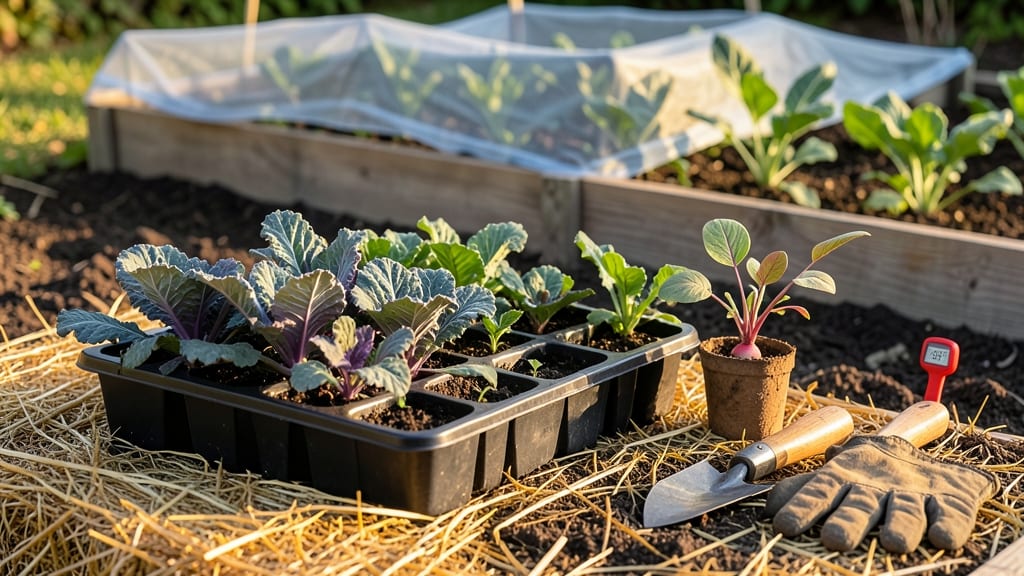
Timing when to plant a fall garden in South Texas can feel like solving a puzzle—one wrong move and your crops either wilt in the lingering summer heat or get nipped by an early frost.
But get it right, and you’ll enjoy a bountiful harvest of crisp greens, sweet potatoes, and other homegrown goodness when store-bought options start fading.
Here in zones 9a-10a, the key is planting your 🌱 Fall Garden Vegetables (General) between mid-August and early October, giving most crops 60-90 days to mature before the first frost hits around mid-November.
The trick? Avoid the brutal late-summer heat while still beating the clock before winter sets in.
I’ve grown fall gardens here for years, and the difference between a thriving plot and a failed experiment often comes down to one simple rule: start heat-sensitive crops like lettuce and spinach in late August, while hardier veggies like kale and broccoli can wait until September.
Let me show you exactly how to nail those planting windows—and why a few extra weeks can mean the difference between a harvest and heartbreak.
Whether you’re a seasoned gardener or just starting out, this guide will help you plan with confidence, avoid common mistakes, and turn your South Texas backyard into a fall harvest goldmine. Ready to dig in?
South Texas fall planting calendar: exact weeks before first frost by vegetable type
Timing your fall garden in South Texas hinges on understanding your last frost date—typically mid-November for most areas. The key is planting 6-8 weeks before frost for most vegetables, but heat-tolerant crops like tomatoes and peppers can handle later starts.
For example, if frost hits November 15, aim to plant leafy greens by early September for a harvest before cold sets in.
South Texas’s USDA Zones 9a-10a mean we can grow cool-season crops year-round, but fall planting requires precision. Broccoli, kale, and carrots thrive when sown 8-10 weeks before frost, while radishes and spinach mature in just 30-40 days, giving you flexibility for later plantings.
Heat-sensitive crops like cabbage must avoid summer’s peak—sow seeds in late August for a fall harvest.
Here’s your fall planting timeline based on South Texas frost dates and crop maturity:
| Crop Type | Weeks Before Frost | Planting Window | Notes |
|---|---|---|---|
| Leafy Greens (Lettuce, Spinach, Kale) | 6-8 | Late August - Early September | Direct sow or transplant; succession plant every 2 weeks. |
| Root Vegetables (Carrots, Beets, Radishes) | 8-10 | Late July - Early September | Sow seeds directly; avoid overcrowding for large roots. |
| Brassicas (Broccoli, Cabbage, Cauliflower) | 10-12 | Early August - Mid-August | Start seeds indoors or transplant young plants; needs consistent moisture. |
| Heat-Tolerant Crops (Tomatoes, Peppers, Okra) | 4-6 | Late August - Early October | Transplant after soil temps drop below 85°F; use shade cloth if needed. |
| Herbs (Basil, Cilantro, Parsley) | 6-8 | Late August - Early September | Direct sow or transplant; cilantro bolts quickly—harvest early. |
For coastal South Texas, where humidity extends the growing season, you can push plantings 1-2 weeks later than inland areas. Inland regions, however, experience faster temperature drops, so err on the earlier side. Always check your local frost forecast—websites like Almanac.com provide South Texas-specific predictions.
Pro tip: Use shade cloth for early fall plantings if daytime temps stay above 90°F. This protects heat-sensitive seedlings like cabbage and lettuce from wilting. I’ve seen 30% higher survival rates in my garden when using 30% shade cloth during September heat spikes.
If you’re new to fall gardening, start with fast-maturing crops like radishes (30 days) or bush beans (50 days) to test your timing. These give you immediate feedback on whether your planting window is on track.
For longer-season crops like broccoli or kale, mark your calendar 10 weeks before frost—that’s your last chance to sow seeds for a harvest.
One common mistake I see is planting heat-lovers too late. Tomatoes and peppers can handle 80°F soil temps, but if you wait until October, they may not mature before frost. Aim to transplant these by late August for a November harvest.
For urban gardeners in South Texas cities, microclimates matter. Areas near concrete or pavement stay warmer and may delay frost by 1-2 weeks. Use this to your advantage by planting cool-season crops
How to adjust planting for South Texas heat: staggering crops and succession planting strategies
South Texas’s late-summer heat can turn a fall garden into a disaster if you’re not strategic. The key to success? Succession planting—staggering crops every 2 weeks to extend harvests and avoid planting everything at once. This way, you’re always harvesting something fresh while younger plants escape the worst heat.
I’ve learned the hard way that direct sowing heat-sensitive crops like lettuce and spinach in early August often leads to bolting (going to seed) before they mature. Instead, start these indoors in late July and transplant in early September, when daytime temps start dropping below 90°F.
For heat-tolerant crops like okra, sweet potatoes, and black-eyed peas, you can actually plant them as early as mid-July. These thrive in the summer heat and will keep producing well into fall.
The trick is to space them out so you’re not overwhelmed with a single harvest all at once.
🌱 Succession Planting Schedule for South Texas Fall Gardens
🌡️ Pro Tip: Use shade cloth (30-50%) for early fall plantings if temps stay above 85°F during the day.
Another game-changer? Interplanting fast-growing crops like radishes or bush beans between slower-maturing plants like broccoli or cabbage. Radishes mature in just 30 days, giving you an early harvest while the brassicas grow.
Once the radishes are done, you can pull them and replant with something else, like spinach or kale.
Don’t forget about microclimates—coastal areas like Corpus Christi stay warmer longer than inland cities like San Antonio. If you’re near the coast, you might push your last planting to early October, while inland gardeners should aim for mid-September to avoid early frosts.
Always check your local frost date (usually mid-November in South Texas) and count backward from there.
By mastering these succession planting strategies, you’ll turn your South Texas garden into a year-round harvest machine, beating the heat and frost to enjoy fresh produce straight from your backyard.
The best part? No more grocery store trips for sad, wilted lettuce—just crisp, homegrown goodness all season long. 🌱