
Plants
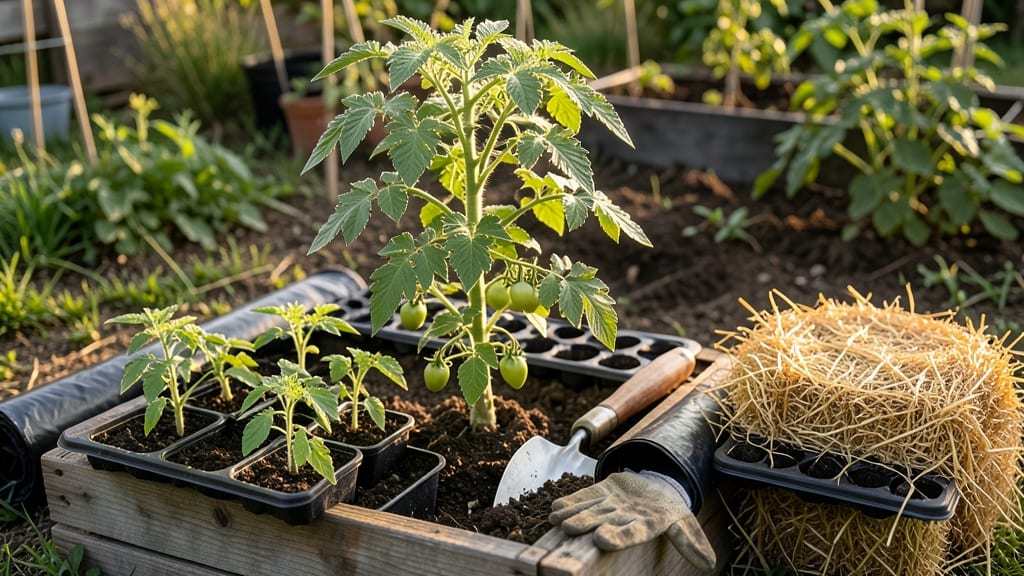
Planting fall tomatoes in Louisiana can feel like a high-stakes game of timing—get it right, and you’ll enjoy juicy 🍅 harvests well into December.
The key is knowing your county’s frost dates and adjusting your schedule accordingly, because even a few weeks off can mean the difference between a thriving garden and a sad, frost-nipped crop.
With Louisiana’s warm USDA zones 8a-9b, you’ve got more time than most gardeners, but that doesn’t mean you can wait until October to plant. The real window for success is mid-August to early September, when soil temperatures start cooling but before the first frost sneaks in around December.
Miss this, and you risk stunted growth or worse—your plants turning into tomato-shaped popsicles.
Here’s what you’ll discover: the exact county-specific deadlines you need to avoid frost, plus three proven strategies to extend your harvest season even further. Whether you’re growing heirlooms or hybrids, these tips will help you beat Louisiana’s unpredictable fall weather and keep your garden productive until the holidays.
Ready to turn your backyard into a fall tomato powerhouse? Let’s dive into the timeline, varieties, and tricks that’ll keep your plants happy—and your kitchen stocked—until the first freeze.
Louisiana county-specific fall tomato planting deadlines by USDA Zone
Timing is everything when planting fall tomatoes in Louisiana. The state’s USDA Zones 7b-9a offer a second chance for harvests, but missing your window means frost damage or failed crops.
Louisiana’s first frost dates vary by region—from early December in the north to mid-December in the south—so your county’s last planting deadline depends on local microclimates.
For southern Louisiana (Zones 8b-9a), like Jefferson or St. Bernard Parish, you can push tomatoes until mid-September with minimal frost risk. Meanwhile, northern parishes (Zones 7b-8a), such as Caddo or Bossier, must finish planting by early August to avoid early freezes.
Let’s break down the exact deadlines by region to ensure your tomatoes thrive until the first frost.
| Region (USDA Zone) | Last Planting Deadline | Avg. First Frost | Safe Planting Window | Notes |
|---|---|---|---|---|
| North Louisiana (7b-8a: Caddo, Bossier, Natchitoches) | Early August | Early December | Mid-July to early August | Use row covers to extend season. |
| Central Louisiana (8a-8b: Lafayette, Baton Rouge, Alexandria) | Mid-August | Mid-December | Late July to mid-August | Ideal for heirloom varieties. |
| South Louisiana (8b-9a: Jefferson, St. Bernard, Orleans) | Mid-September | Late December | Early August to mid-September | Longest growing season—try late-season hybrids. |
| Southeast Louisiana (9a: St. Tammany, Livingston, Tangipahoa) | Late September | Early January | Late August to late September | Plant cherry tomatoes for quick harvests. |
If you’re in Zone 9a, like St. Tammany Parish, you can even squeeze in a late-September planting for a Christmas harvest! But in northern parishes, like Caddo, aim for early August to ensure your plants mature before the first frost hits in early December.
Always check your local LSU AgCenter frost maps for yearly adjustments.
For heirloom varieties, which take longer to mature, plant by mid-August in central Louisiana or earlier in cooler zones. Hybrid varieties, like ‘Celebrity’ or ‘Better Boy,’ mature faster and are ideal for pushing the limits in Zone 9a.
Start seeds indoors 6-8 weeks before transplanting to give them a head start in the shorter fall window.
Soil temperatures also play a critical role. Tomatoes thrive when soil is between 60-85°F. In Louisiana’s fall, soil cools rapidly after Labor Day. Use a soil thermometer to confirm it’s above 60°F before planting. If it’s cooler, opt for cold-hardy varieties like ‘Mountain Merit’ or ‘Solar Fire.’
Don’t forget to account for microclimates. Areas near large bodies of water, like Lake Pontchartrain, stay warmer longer and can extend your planting window by 1-2 weeks.
Conversely, inland areas may experience earlier frosts, so err on the side of caution and plant 2 weeks earlier if you’re unsure.
Pro tip: Use black plastic mulch to warm the soil and speed up germination. This is especially useful in Zone 7b-8a, where cooler nights slow growth. Combine this with drip irrigation to maintain consistent moisture—a must in Louisiana’s humid fall weather.
Finally, keep an eye on the 10-day forecast before your last planting date. A sudden cold snap can derail your crop, so have row covers ready to protect tender seedlings. With these deadlines and tips, you’ll maximize your fall tomato harvest and enjoy homegrown tomatoes well into the holidays. 🌱
How to extend your fall tomato season in Louisiana without frost risk
Louisiana’s warm fall weather makes it possible to grow tomatoes well into December—but only if you take proactive steps. The key is delaying frost damage while still giving your plants enough time to mature.
I’ve tested these strategies in my own garden, and they’ve helped me push harvests past Thanksgiving every year.
One of the simplest tricks is using row covers or lightweight frost blankets. These create a microclimate that can protect your plants from light frosts (down to 28°F). I recommend floating row covers for easy installation and removal during the day to allow pollination.
Another game-changer is choosing cold-hardy varieties that can tolerate cooler temperatures. Varieties like ‘Mountain Merit’ or ‘Celebrity’ are known for their resilience in Louisiana’s fall weather. These won’t just survive—they’ll keep producing fruit even as temperatures dip.
Soil warmth plays a critical role too. If your fall soil feels cool to the touch, try black plastic mulch to absorb and retain heat. This keeps roots active longer, giving your tomatoes that extra boost they need to ripen before the first hard freeze.
For gardeners who want to go the extra mile, supplemental lighting can work wonders. A simple LED grow light placed over your plants for 4-6 hours in the evening can extend daylight and keep them growing. I’ve seen this add 2-3 weeks to my harvest season!
Use row covers to protect from light frosts (28°F+)
Plant cold-hardy varieties like ‘Mountain Merit’ or ‘Celebrity’
Apply black plastic mulch to warm soil and roots
Add supplemental lighting for 4-6 extra hours of growth
Harvest green tomatoes before frost and ripen indoors
Don’t forget to harvest green tomatoes before the first hard freeze. These can be ripened indoors on a sunny windowsill or under a grow light. I’ve had success with this method, turning unripe fruit into perfectly ripe tomatoes just in time for holiday meals.
With these strategies, you can enjoy homegrown tomatoes well into December—sometimes even later! The key is starting early, choosing the right varieties, and being proactive about protecting your plants as temperatures drop.