
Flowers
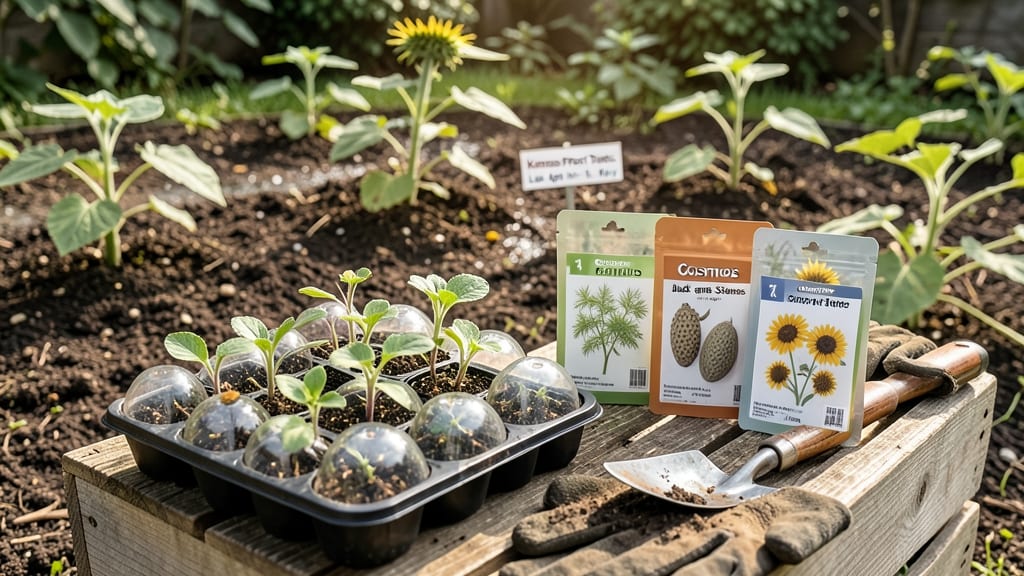
Timing your flower seed planting in Kansas just right could mean the difference between a garden bursting with 🌸 vibrant blooms and a season of disappointment. With USDA zones 5b-7a bringing unpredictable frost patterns, getting those seeds in the ground at the perfect moment is the key to success.
Most gardeners in Kansas wait until after the last frost date—typically around mid-April—but some flowers actually thrive when started indoors 4-6 weeks earlier. Whether you're growing sun-loving annuals or hardy perennials, understanding your zone's specific frost window will help you avoid common mistakes that waste time and resources.
In this guide, I’ll break down the exact weeks before last frost to plant flower seeds in Kansas, including when to start them indoors versus direct-sowing outdoors. You’ll also learn how to adjust for Kansas’s unpredictable weather and extend your planting window safely.
Ready to transform your garden into a colorful paradise? Let’s dive into the best planting times for your Kansas climate zone and set you up for a season of stunning blooms.
Kansas frost dates by zone: exact weeks before last spring frost for flower seed planting
Kansas spans USDA Hardiness Zones 5b-7a, meaning frost dates vary dramatically across regions. In western Kansas (Zone 5b), the last spring frost typically arrives around April 15, while eastern Kansas (Zone 7a) sees frost-free conditions by mid-April.
These dates determine your flower seed planting window—get it wrong, and frost will kill tender seedlings before they bloom.
For most annual flowers, aim to plant seeds 4-6 weeks before your last frost date. This gives seedlings time to establish roots before warm weather arrives. Perennials, however, often need 6-8 weeks of indoor starting to survive Kansas’s unpredictable spring temperature swings.
Here’s how to calculate your personalized planting timeline:
- Check your local last frost date (use the K-State Extension frost map for exact data).
- Subtract 4-6 weeks for annuals or 6-8 weeks for perennials.
- Adjust for soil temperature—most seeds need 50-60°F soil to sprout.
For example, if your last frost is April 20, plant annuals outdoors March 15-20 and start perennials indoors February 1-15.
| Zone | Avg. Last Frost | Weeks Before Planting | Outdoor Planting Window |
|---|---|---|---|
| Zone 5b (Western KS) | April 15 | 4-6 weeks | March 1-15 |
| Zone 6a (Central KS) | April 1 | 4-6 weeks | February 15-March 1 |
| Zone 7a (Eastern KS) | March 25 | 4-6 weeks | February 10-25 |
Source: K-State Research and Extension, 2023
Kansas’s fall planting window runs from August 15-September 15, targeting 6-8 weeks before first frost (typically October 15). Cool-season flowers like pansies and calendula thrive in these conditions, offering early spring blooms the following year.
Use microclimates to your advantage—south-facing slopes warm up faster, while low-lying areas hold frost longer. For example, garden beds near buildings may be 2-3 weeks earlier to plant than open fields.
Always verify with local weather forecasts—Kansas’s unpredictable late frosts (even in May) can devastate early plantings. I’ve lost entire batches of marigolds to a May frost, so I now use row covers as a precaution.
Pro tip: Mark your planting dates on a calendar and set reminders for soil warming (use black plastic mulch) if temperatures dip below 50°F.
Best flower seeds to plant in Kansas by season: indoor starts vs. direct sowing
Kansas gardeners have two main approaches to planting flower seeds: indoor starts and direct sowing outdoors. Each method has advantages depending on the flower type and your local frost date.
For example, tender annuals like zinnias thrive with indoor starts, while hardy perennials like coneflowers can handle direct sowing after frost.
Indoor starts give you a 4-6 week head start on the growing season, crucial for Kansas’s short frost-free window. Begin seeds indoors 6-8 weeks before your last frost date using grow lights or a sunny windowsill.
This method works best for slow-growing flowers like hollyhocks or foxgloves, which need time to develop strong roots.
Direct sowing is ideal for fast-growing annuals like marigolds or sunflowers, which tolerate Kansas’s unpredictable spring temperatures. Wait until soil temperatures reach 50-60°F and the last frost date has passed.
For fall planting, direct sow cool-season flowers like pansies or snapdragons 6-8 weeks before first frost.
| Flower Type | Indoor Start Time | Direct Sow Window | Kansas Notes |
|---|---|---|---|
| Zinnias | 4-6 weeks before last frost | After May 1 (Zone 5b) or April 15 (Zone 7a) | Drought-tolerant; great for pollinators |
| Coneflowers (Perennial) | 6-8 weeks before last frost | Direct sow after frost or transplant seedlings | Native to Kansas; low-maintenance |
| Marigolds | Not needed (fast-growing) | After April 15 (all zones) | Repels pests; thrives in heat |
| Pansies (Fall) | Not applicable | August 15-September 15 | Cold-hardy; blooms until frost |
Source: K-State Extension Flower Trials, 2024
For successive blooms, try succession planting—sow fast-growing flowers like nasturtiums every 2-3 weeks after your initial planting. This ensures continuous color from late spring through fall. I’ve used this method to keep my sunflower patch blooming for 10+ weeks by staggering plantings.
Kansas’s native wildflowers (like black-eyed Susans or purple coneflowers) are perfect for direct sowing—they’re drought-resistant and thrive in Kansas’s clay-heavy soils. Start these outdoors after May 1 in most zones to avoid frost damage.
Always check seed packet instructions—some flowers (like snapdragons) need longer indoor starts (8-10 weeks) to mature. I once planted snapdragons too late and ended up with tiny, weak stems—now I mark my calendar two months early!
Pro tip: Use seedling heat mats for indoor starts to speed up germination in Kansas’s cool spring air. This is especially helpful for slow starters like petunias, which can take 10-14 days to sprout.