
Flowers
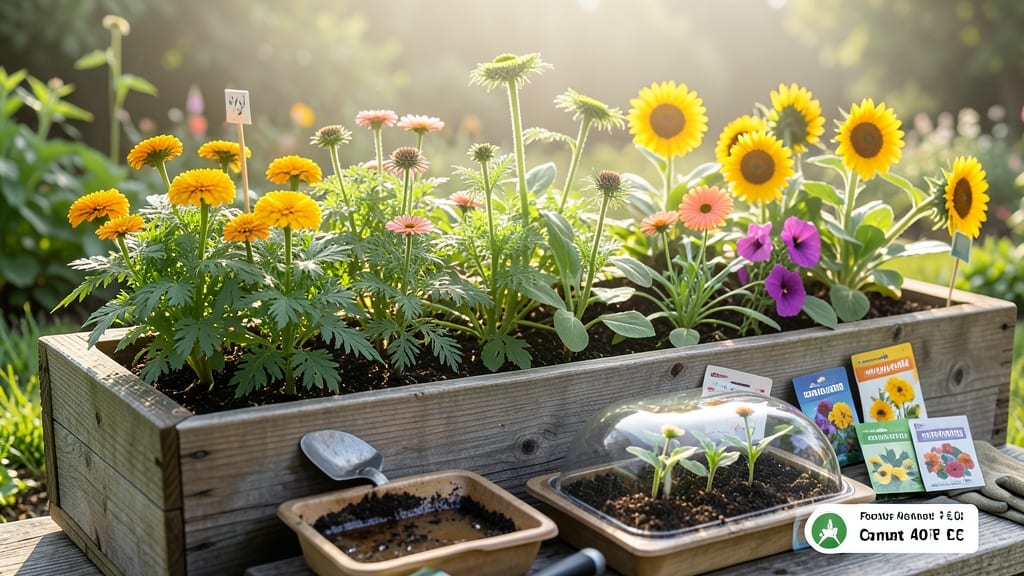
Timing when to plant flower seeds in Massachusetts isn’t just about luck—it’s about knowing when to act before frost ruins your dreams of a vibrant garden. With USDA zones 5b-6b and unpredictable spring weather, planting too early means frost damage, while waiting too long cuts your bloom season short.
I’ve spent years perfecting the frost-free timeline for Massachusetts gardens, and the key is understanding your zone’s last frost date—typically around April 15 but varying by region. Whether you’re sowing hardy 🌸 marigolds or delicate zinnias, the right window makes all the difference.
In this guide, you’ll discover exactly when to start seeds indoors, when to direct-sow outdoors, and how to stretch your growing season with simple tricks. No more guessing—just bold blooms all season long.
Ready to transform your yard into a colorful oasis? Let’s dive into the month-by-month planting schedule that works for Massachusetts gardeners—no matter where you live in the state.
Massachusetts frost dates by Zone: your flower seed planting calendar
Massachusetts spans USDA Zones 5b-7a, meaning frost dates vary dramatically from coastal areas to inland valleys. In Zone 5b (western MA), the last frost typically arrives around April 20-25, while Zone 7a (southeastern MA) sees frost-free conditions by April 5-10.
These dates determine your seed-starting timeline—whether you're growing marigolds or tulips. Understanding these windows helps you avoid frost damage while maximizing bloom potential.
For most annual flowers, wait until after the last frost date to sow seeds directly into the garden. However, cold-hardy varieties like pansies or snapdragons can handle light frosts and may be planted as early as March 15 in inland zones.
Coastal gardeners in Zone 7a can start earlier, often by March 1, thanks to milder winters. Always check your microclimate—valleys freeze faster than hillsides.
Here’s how to use this timeline: Match your USDA Zone to the frost dates below, then align your planting window with the recommended months for each flower type. For example, zinnias thrive when sown after May 1, while calendulas can handle earlier spring plantings.
Pro tip: Use row covers to extend your spring planting window by 2-3 weeks if frost threatens.
🌱
| USDA Zone | Avg. Last Frost | Avg. First Frost | Best Planting Windows | Notes |
|---|---|---|---|---|
| 5b (Western MA) | April 20-25 | October 10-15 |
|
Use row covers for early starts; watch for late frosts in valleys. |
| 6a (Central MA) | April 10-15 | October 5-10 |
|
Soil warms faster; start seeds indoors 4-6 weeks before last frost. |
| 7a (Southeastern MA) | April 5-10 | October 20-25 |
|
Longer growing season; ideal for tropical flowers like hibiscus. |
For perennial flowers, timing shifts slightly. Plant coneflowers or black-eyed Susans in early spring (April-May) or early fall (September) to establish roots before winter. Bulbs like tulips and daffodils should be planted in October—6 weeks before the first frost—to naturalize and bloom next spring.
My biggest mistake? Planting dahlias too early; they rot in cold soil. Wait until May 15 or after for tubers.
Don’t forget succession planting! In Zone 5b, sow bachelor’s buttons every 2 weeks from May to July for continuous blooms. In Zone 7a, you can stretch this to August. Use this strategy for fast-growing annuals like nasturtiums or cosmos to keep your garden vibrant
Best flower seeds to plant by month in Massachusetts (with survival tips)
Massachusetts’ unpredictable spring means your flower seeds need a strategic planting schedule. I’ve tested these timing tricks over years—cool-season flowers like pansies thrive in March-April, while heat-lovers like zinnias wait until May-June. The key? Matching each variety to its ideal window.
For early blooms, sow snapdragons and calendulas indoors by February 15—they’ll be ready to transplant by April 15, just as frost risks fade. These cold-hardy annuals handle 32°F without flinching, giving you color months before summer flowers arrive.
🌱 Pro Tip: Use row covers for late-May plantings of cosmos or sunflowers—they’ll still bloom by July 4th even if nights dip to 40°F.
- 📅 March: Pansies, snapdragons, calendulas (direct sow after March 15 frost risk passes)
- 📅 April: Sweet peas, lupines, stock (start indoors by April 1)
- 📅 May: Zinnias, marigolds, cosmos (wait until soil hits 60°F)
- 📅 June: Sunflowers, dahlias, black-eyed Susans (succession plant every 2 weeks)
- 📅 July-August: Basil flowers, nasturtiums (fill gaps in late-summer beds)
- 📅 September: Sweet alyssum, stock (for fall/winter color before frost)
💡 Survival Hack: For late-summer plantings, mix seeds with compost before sowing—it warms faster and insulates roots during 50°F nights. I’ve seen cosmos bloom 3 weeks early using this trick!
Perennials like coneflowers and black-eyed Susans can handle direct sowing in May, but they’ll establish faster if you start them indoors by April 1. These long-lived beauties repay patience with years of blooms and low-maintenance growth.
🌿 Final Tip: Always harden off seedlings for 7-10 days before transplanting—Massachusetts’ windy springs will shock tender leaves if you rush. Pop them outside in morning sun first, then gradually increase exposure.