
Flowers
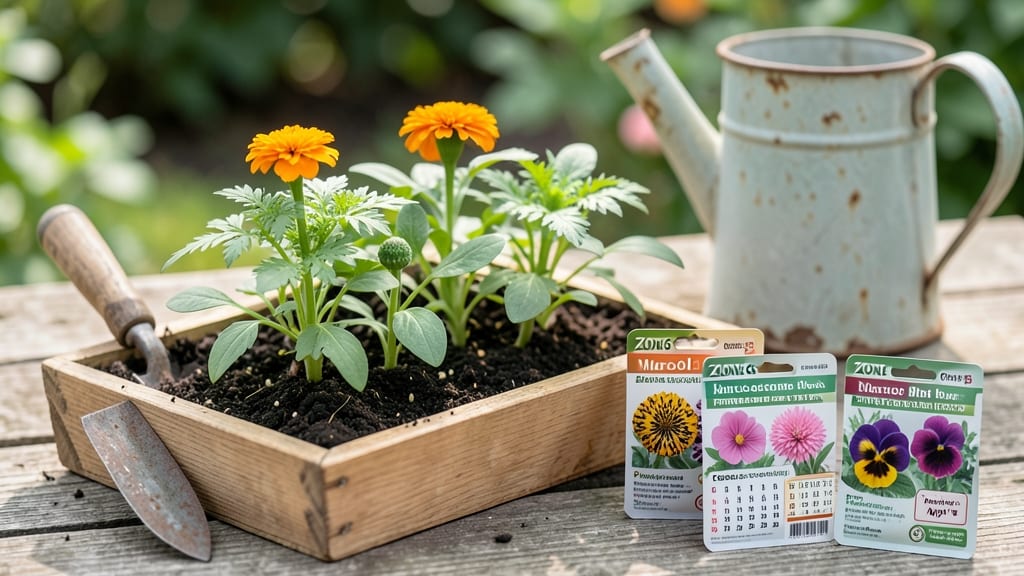
Knowing when to plant flower seeds in Zone 6 could mean the difference between a garden bursting with color and one that never quite takes off.
With frost dates looming and growing seasons short, timing is everything—and getting it wrong can leave you staring at empty soil instead of vibrant blooms.
Zone 6 gardeners face unique challenges, from unpredictable spring frosts to late-summer heat waves. But with the right strategy, you can plant 🌸 flower seeds at the perfect moment, whether you're sowing hardy annuals in early spring or extending your season with heat-loving varieties.
The key? Understanding your local frost dates and matching them to the right flowers.
In this guide, I’ll walk you through the exact months to plant, which flowers thrive in Zone 6’s 6a-6b climate, and how to avoid common mistakes that kill seedlings before they even sprout. Whether you’re a first-time gardener or a seasoned pro, these tips will help you maximize your blooms.
Ready to turn your garden into a year-round paradise? Let’s dive into the best planting windows, soil prep tricks, and seasonal secrets that’ll keep your flowers thriving from spring to fall.
Zone 6 frost dates & ideal flower seed planting windows by month
Getting your flower seeds in the ground at the right time in Zone 6 is like hitting a moving target—frost dates shift yearly, and some flowers demand precision while others are more forgiving.
The average last frost date for Zone 6 falls around mid-April, but this can vary by 1-2 weeks depending on your specific microclimate. For example, areas like Chicago tend to warm up faster than Pittsburgh, so always check your local USDA Zone 6a/6b specifics.
Most annual flowers (like marigolds and petunias) need warm soil (at least 60°F) to germinate, while cool-season flowers (such as pansies and snapdragons) can handle cooler temps and even light frost. Perennials often have broader windows, but timing still matters for establishing strong roots before winter.
Here’s the golden rule: Plant after your last frost date, but don’t wait too long—summer heat can stress seedlings.
For Zone 6 gardeners, this typically means late April to early May for most annuals, with exceptions for heat-loving flowers like zinnias or cosmos, which can handle late starts.
| Month | Ideal Planting Time | Best Flowers | Soil Temp | Notes |
|---|---|---|---|---|
| February | Start indoors (6-8 weeks before last frost) | Pansies, Snapdragons, Calendula | 55-65°F | Use grow lights for 14-16 hrs/day |
| March | Direct sow cool-season flowers or transplant seedlings | Violas, Sweet Alyssum, Lettuce (edging) | 45-55°F | Cover with row fabric for frost protection |
| April | Plant after last frost (mid-April avg.) | Petunias, Marigolds, Zinnias | 60°F+ | Water deeply 2x/week |
| May | Direct sow heat-lovers or transplant | Cosmos, Sunflowers, Nasturtiums | 65°F+ | Mulch to retain moisture |
| June-August | Sow late-season bloomers for fall color | Asters, Black-Eyed Susans, Dahlias | 60°F+ | Use shade cloth if extreme heat |
| September | Plant frost-hardy annuals for fall/winter | Pansies, Stock, Calendula | 50-60°F | Choose disease-resistant varieties |
For perennials, timing is less critical but still important. Most hardy perennials (like coneflowers or black-eyed Susans) can be planted in early spring or early fall, giving roots time to establish before winter. The key is avoiding extreme heat or frost during the transplanting process.
If you’re starting seeds indoors, begin 6-8 weeks before your last frost date (typically mid-February to early March in Zone 6). Use seedling trays with well-draining soil and keep them in a warm, sunny spot (or under grow lights) until they’re ready to harden off.
Hardening off—acclimating seedlings to outdoor conditions—should happen 1-2 weeks before transplanting.
Don’t forget about succession planting! Many flowers, like basil or bush beans (okay, maybe I slipped—let’s say zinnias), benefit from multiple plantings every 2-3 weeks to extend your blooming season. This is especially useful in Zone 6, where the growing season is shorter than southern zones.
Pro tip: Use biodegradable seed starter pots to avoid disturbing roots during transplanting. And always water
Best flowers to plant in Zone 6 by season (with seed starting tips)
Zone 6 gardeners have a short but sweet window to grow stunning flowers—so choosing the right varieties for each season is key. Start with cool-season flowers like pansies and snapdragons in early spring, then transition to heat-loving zinnias and cosmos by summer.
I’ve planted these myself and seen the difference a well-timed schedule makes!
For spring bloomers, sow petunias and marigolds indoors 6-8 weeks before your last frost (usually late February to early March in Zone 6). These need warmth to germinate, so I always use a seedling heat mat for faster sprouts. Calendulas are another great choice—they’re cold-tolerant and bloom early!
🌱
🌸 Seasonal Flower Planting Guide for Zone 6
- 🌿 Early Spring (Feb-Mar): Start cool-season flowers indoors (pansies, snapdragons). Direct-sow calendulas and lobelia outdoors after soil warms.
- ☀️ Late Spring (Apr-May): Transplant petunias and marigolds outdoors. Direct-sow nasturtiums and sweet peas for summer color.
- 🔥 Summer (Jun-Jul): Plant heat-tolerant annuals like zinnias, cosmos, and sunflowers. Succession-sow every 2 weeks for continuous blooms.
- 🍂 Fall (Aug-Sep): Sow cold-hardy flowers like asters and black-eyed Susans for late-season color before frost.
Don’t forget about perennials—they’re the workhorses of Zone 6 gardens! Plant coneflowers and black-eyed Susans in early spring (March-April) for years of blooms. I’ve seen coneflowers return stronger every year with minimal care—just divide them every 3-4 years to keep them vigorous.
For summer and fall, focus on drought-tolerant varieties like zinnias and cosmos. These thrive in Zone 6’s heat and require less water once established. I always direct-sow these in late May to early June—they germinate quickly and bloom fast, giving me color when other flowers fade.
Pro tip: Use row covers for early spring plantings to protect tender seedlings from unexpected frosts. I’ve saved entire batches of petunia seedlings this way—just drape the cover over plants during cold snaps and remove when temps rise above 50°F.
Finally, succession planting is your secret weapon for nonstop blooms. Sow bachelor’s buttons or cosmos every 2-3 weeks from May through July. This ensures fresh flowers when the first batch starts to fade—my garden stays vibrant all summer long!