Flowers
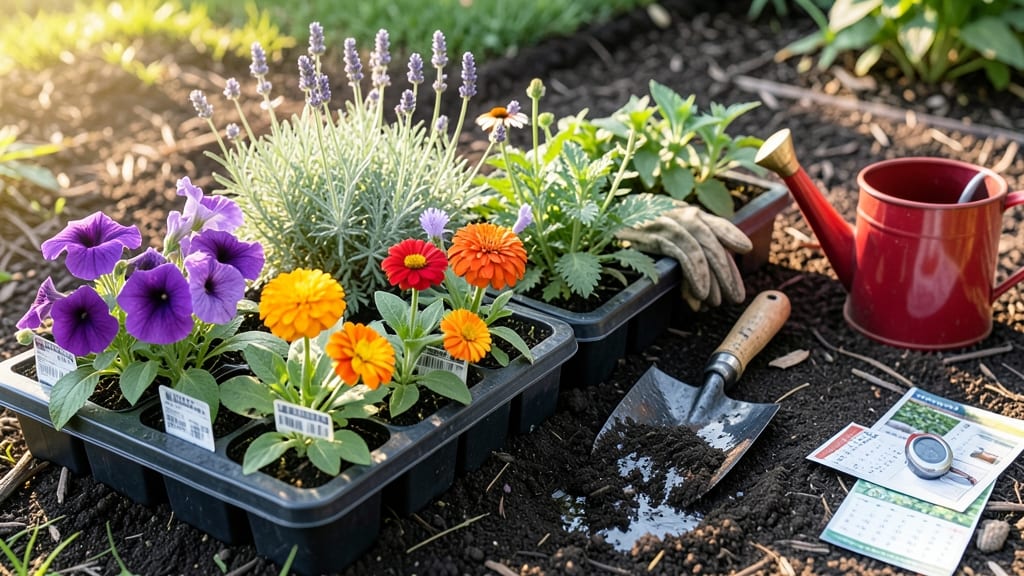
Timing when to plant flowers in Boise, Idaho, isn’t just about the calendar—it’s about matching their chill-hour needs to avoid frost surprises and maximize those vibrant blooms.
With USDA Zone 6b conditions, late spring frosts can still sneak in around April 15, making the difference between thriving gardens and wilted dreams.
I’ve learned the hard way that planting too early—even with hardy perennials—can leave your 🌸 lavender or coneflowers struggling. But here’s the good news: Boise’s unique climate actually works for us when we follow the right schedule.
Whether you’re sowing annuals in March or tucking in bulbs by October, the key is understanding how chill hours shape your plants’ growth.
In this guide, I’ll break down exactly when to plant everything from sun-loving annuals to shade-tolerant perennials, so you can skip the guesswork. We’ll cover soil prep, frost dates, and even how Boise’s altitude affects your timing—because those mountain breezes aren’t just for hiking.
Ready to turn your garden into a year-round showstopper? Let’s dive into the month-by-month planting plan that’ll keep your flowers blooming reliably, no matter what Boise throws your way.
Boise’s planting zones and chill-hour requirements by flower type
Boise’s USDA Zone 6b-7a climate demands careful attention to chill-hour requirements and frost dates to ensure your flowers thrive. With an average last frost date of April 15 and first frost around October 15, timing is everything.
Microclimates—like urban heat islands or high-altitude areas—can shift these windows by 1-2 weeks, so always monitor local conditions.
Understanding chill-hour needs is key: many perennials and bulbs need 300-1,000 hours below 45°F to bloom reliably. For example, lavender (300-500 hours) and coneflowers (600-800 hours) are Boise-friendly, while tulips (1,000+ hours) may struggle unless planted early fall.
Annuals, like marigolds or zinnias, skip chill hours entirely and thrive with warm soil temperatures.
Boise’s elevation (2,700-3,500 ft) also affects planting. Higher areas (e.g., Meridian or Eagle) may experience earlier frosts, while low-lying spots (e.g., Boise River Greenbelt) stay warmer. Adjust planting dates 10-14 days earlier in cooler microclimates and 10 days later in urban heat zones.
🌱 Pro Tip: Use a soil thermometer to confirm 50°F+ soil temps before planting annuals—cold soil stunts growth. For perennials, plant 4-6 weeks before the last frost to establish roots before spring blooms.
Native Idaho wildflowers, like lupine or yarrow, are perfect for Boise’s dry summers. They require minimal chill hours (300-500) and thrive in poor soil, making them low-maintenance choices. Pair them with Russian sage (500-700 chill hours) for a long-blooming perennial garden that handles Boise’s heat.
For cool-season annuals like pansies or snapdragons, plant in early spring (March) or fall (Sept). These tolerate light frosts and bloom earlier in the season. Avoid planting them in summer heat, as they bolt quickly in Boise’s 90°F+ temperatures.
🌡️ Key Insight: Boise’s summer droughts mean deep watering (1-2 inches per week) is critical. Use mulch to retain moisture and group plants by water needs—e.g., lavender (drought-tolerant) near roses (moisture-loving).
If you’re unsure about chill hours, check the plant tag or use Boise’s local nursery recommendations. For example, Boise Flower Company curates varieties tested for Zone 7a resilience, including catmint and beebalm, which handle Boise’s hot, dry summers beautifully.
Finally, urban vs. rural Boise matters: Urban areas (e.g., Downtown) stay 5-10°F warmer at night, delaying frost. Rural areas (e.g., Meridian) may see earlier frosts. Adjust your planting window ±10 days based on your location’s history.
Step-by-step Boise flower planting calendar: month-by-month guide
Timing is everything when planting flowers in Boise, where late spring frosts and summer heat can derail your garden plans.
My month-by-month calendar aligns with Boise’s average last frost date (April 15) and first frost date (October 15), while accounting for microclimates like urban heat islands or cooler mountain slopes.
Start with cool-season crops like pansies and snapdragons in March—they thrive in 40–50°F soil and tolerate light frosts. For warm-season favorites like marigolds and zinnias, wait until May 1 or after the last frost to avoid stunted growth from cold snaps.
Pro tip: Use shade cloth (30–50%) to protect new transplants from Boise’s intense summer sun, especially in south-facing beds. For extended seasons, try cold frames in early spring or late fall to jumpstart growth.
Remember, Boise’s altitude (3,200 ft) means soil warms faster than in lower elevations—always check soil temperature with a thermometer before planting. Native wildflowers like blanket flower and beardtongue are low-maintenance picks that thrive with minimal fuss.
For container gardening, start petunias and geraniums indoors in late February and move them outside after May 1. This gives them a 4–6 week head start against Boise’s unpredictable spring weather.
🌸