
Flowers
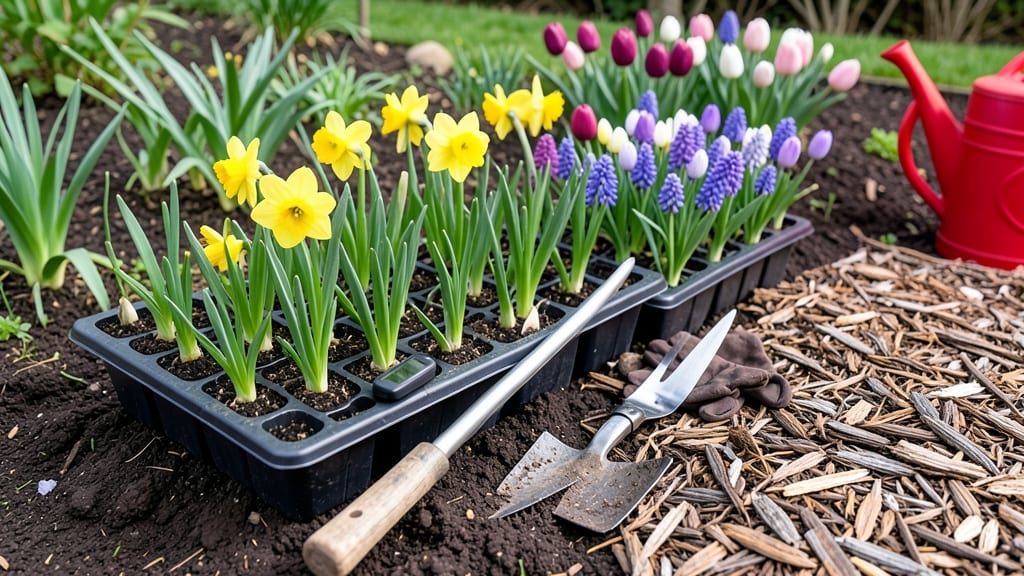
Timing your when to plant flowers in New England can mean the difference between a garden bursting with color and one that never gets off the ground.
New England’s fickle weather—where frost can linger into May or return in September—makes planting windows tricky, but getting it right ensures your 🌸 blooms thrive all season.
Whether you’re a seasoned gardener or just starting, knowing the exact months to plant annuals, perennials, and bulbs in zones 5b-6b is the key.
I’ll break down the best planting times for everything from frost-hardy pansies to heat-loving zinnias, so you can avoid common mistakes and enjoy blooms from spring to fall.
You’ll also discover how to adjust for late frosts, coastal vs. inland differences, and the best flowers to plant each month—plus pro tips for extending your growing season. By the end, you’ll have a foolproof schedule that turns your garden into a vibrant, year-round showstopper.
Ready to skip the guesswork? Let’s dive into the month-by-month guide that’ll keep your flowers blooming beautifully, no matter what New England throws your way.
New England frost dates by zone: critical planting windows for annual flowers
New England’s USDA Hardiness Zones 4–6 create a patchwork of frost dates that can confuse even seasoned gardeners. Understanding your last average frost date is the first step to avoiding frost-killed seedlings.
Coastal areas like Portland, Maine typically see their last frost around May 10–15, while inland zones like Burlington, Vermont may wait until May 25–June 1. These variations mean your annual flowers could face very different risks depending on where you live.
For tender annuals like petunias or geraniums, waiting until after the last frost date is non-negotiable. But hardy annuals such as pansies, violas, and snapdragons can often handle light frosts and may even bloom earlier if planted in early spring.
The key is knowing your zone’s historical frost patterns—not just the average date.
Microclimates add another layer of complexity. A south-facing slope warms up faster than a north-facing valley, and urban areas can stay 5–10°F warmer than rural spots. This means your neighbor’s frost date might not match yours, even just a few miles away.
Always check local weather records or use tools like the National Weather Service’s frost maps for precision.
Here’s how to use this information to plan your flower planting schedule without guesswork:
| Zone | Last Frost Date | First Frost Date | Hardy Annuals | Tender Annuals |
|---|---|---|---|---|
| Zone 4 (e.g., Northern Maine, New Hampshire) | May 25–June 1 | September 20–October 5 | Pansies, Sweet Alyssum, Calendula | Wait until June 15 |
| Zone 5 (e.g., Boston, Portland) | May 10–15 | October 10–15 | Violas, Snapdragons, Stock | Wait until May 20 |
| Zone 6 (e.g., Providence, Hartford) | April 25–May 5 | October 25–November 5 | Lobelia, Primrose, Sweet Peas | Wait until May 1 |
| Coastal Microclimate (e.g., Cape Cod, Nantucket) | May 15–20 (later inland) | October 1–10 (earlier inland) | Dianthus, Iceland Poppy, Sweet Rocket | Wait until May 25 |
🌱 Pro Tip: Use row covers to extend your planting window by 2–4 weeks for tender annuals!
If you’re planting perennials, the rules shift slightly. Many perennials like coneflowers, black-eyed Susans, and daylilies can be planted in early spring (as soon as the soil is workable) or in fall (6–8 weeks before the first frost).
The goal is to give roots time to establish before dormancy. For bulbs like tulips and daffodils, fall planting is ideal—aim for October to ensure they naturalize and return year after year.
For container gardening, you have even more flexibility. Potted flowers can be moved to protected microclimates (like near a sunny wall or under a patio cover) to shield them from late frosts.
This is especially useful for tender annuals that need warmth to thrive. Just remember: containers heat up and cool down faster than in-ground beds, so monitor soil temperatures closely.
One of my biggest mistakes early on was planting marigolds and zinnias too soon in Zone 5. I lost two batches to late frosts before I learned to wait until after May
Best flowers to plant each month in New England (with frost-proofing tips)
New England’s short growing season demands smart planning, but the right flowers planted at the right time can give you color from spring to frost.
I’ve organized this month-by-month guide to help you choose cold-hardy annuals, perennial workhorses, and bulbs that thrive in zones 5b-6b, with frost-proofing tips to keep your blooms safe.
For example, pansies and violas can handle light frosts, while zinnias and marigolds need warmer soil. I’ll also share my top tricks for extending seasons, like using row covers or cold frames to protect tender plants.
Whether you’re planting seeds indoors or transplanting seedlings, this schedule ensures you’ll never miss a blooming opportunity.
🌱
One of my favorite tricks is succession planting—sowing quick-growing annuals like bachelor’s buttons every 2-3 weeks in June and July to ensure nonstop blooms all summer. This works especially well in coastal areas, where summers are milder and the growing season stretches longer.
Don’t forget to deadhead spent blooms regularly to encourage more flowers and fertilize lightly every 4-6 weeks with a balanced 10-10-10 mix. For perennials like coneflowers and black-eyed Susans, divide clumps every 3-4 years to keep them vigorous and blooming abundantly.
🌿