
Plants
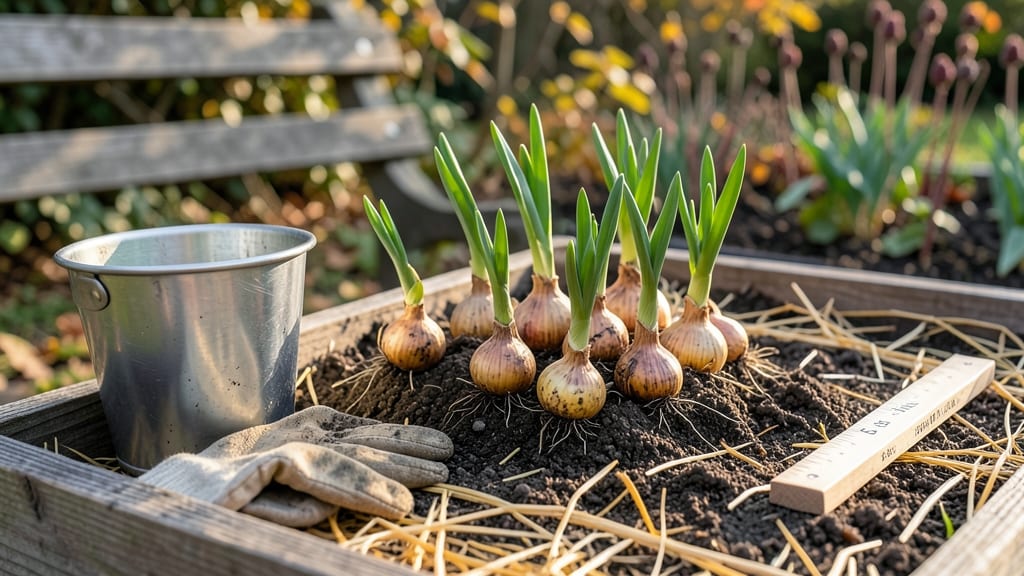
Planting tulips 🌷 in New York at the wrong time can leave you staring at bare soil come spring—so let’s nail the perfect window. The 6a zone demands precision, and missing the October-November sweet spot means bulbs won’t root properly before winter’s chill sets in.
Timing isn’t just about the calendar—it’s about soil temperatures dropping to 40-50°F and frost creeping closer by the week. I’ll break down exactly when to plant for vibrant blooms in April and May, so you avoid the heartbreak of skipped seasons.
New York’s climate throws curveballs, from early freezes to unpredictable thaws, but the right schedule keeps your tulips thriving. Whether you’re a first-timer or a seasoned gardener, these zone-specific tips will ensure your bulbs get the head start they need.
Ready to transform your garden? Let’s dive into the exact timing, soil prep, and frost-proofing tricks that make all the difference for perfect tulip blooms next spring.
Best tulip planting months in New York by hardiness zone
New York’s diverse hardiness zones (5-8) mean your tulip planting schedule should align with local frost dates and soil temperatures. For most of the state—especially zones 6a and 7a—October through November is the sweet spot.
But if you’re in colder upstate areas (zone 5), aim for late September to mid-October to beat the first frost.
Tulips need a 6-8 week chilling period in 40-50°F soil to bloom properly. In New York, this translates to planting 4-6 weeks before the ground freezes, typically around mid-October for NYC and Long Island and early October for Buffalo or the Adirondacks.
Missed the fall window? Don’t panic! You can still plant tulips in late fall (December) or even early spring (March), but expect delayed blooms. Spring-planted bulbs often flower 2-3 weeks later than their fall counterparts.
Here’s how New York’s zones break down for ideal planting:
| Zone | Ideal Planting Window | Soil Temp Goal | Frost Risk |
|---|---|---|---|
| 5 (Upstate) | Late September–Mid-October | 40–50°F | High (first frost: Oct 1) |
| 6a (Central NY) | October 1–15 | 45–50°F | Moderate (first frost: Oct 15) |
| 7a (NYC/Long Island) | October 15–November 1 | 50–55°F | Low (first frost: Nov 1) |
| 8 (Long Island Coast) | November 1–15 | 55–60°F | Minimal (first frost: Nov 15) |
Pro tip: Use a soil thermometer to confirm temperatures. If your soil is still above 50°F in October, wait a few days—warm soil can cause bulbs to sprout too early and get frost-damaged.
For container gardening, plant tulips in late fall (November) or early spring (March). Containers warm up faster, so avoid planting too early. Use a well-draining potting mix and place pots in a protected spot if frost is forecasted.
Remember, bulb quality matters. Choose firm, dry bulbs with no mold or soft spots. Store them in a cool, dark place (like a garage) until planting day. This ensures they’re ready to thrive in New York’s unpredictable fall weather.
Once planted, mulch heavily (4–6 inches) with straw or shredded leaves to insulate bulbs from temperature swings. This is especially critical in zone 5, where winter temps can drop below 0°F.
If you’re in zone 8 (Long Island coast), you might even squeeze in a second planting in December for late-spring blooms. Just plant shallower (4–5 inches deep) to account for milder winters.
Timing isn’t just about the calendar—it’s about soil conditions. Wait until the ground is cool but workable (not muddy or frozen). This usually means after the first hard frost but before the ground freezes solid.
🌷How to adjust planting time for early vs. late blooms in New York
Want tulips blooming in Christmas or stretching your spring display into June? Adjusting planting times lets you control bloom schedules—but New York’s climate adds extra challenges. Early bloomers need longer chilling periods, while late varieties thrive with shorter dormancy.
Let’s break down how to force Christmas tulips or extend your season with late-season varieties.
For Christmas blooms, plant specialty tulip bulbs (like 'Apeldoorn' or 'Darwin Hybrid') in late September to early October—6–8 weeks before your first frost. These bulbs require 12–16 weeks of chilling at 35–45°F to trigger blooms by December.
In zone 6a (Central NY), this means planting by October 1 for holiday displays.
- 📅 Christmas tulips: Plant September 20–October 10 (zones 5–7) for December blooms. Use pre-chilled bulbs from nurseries.
- ⏳ Spring blooms: Plant October 15–November 15 for April–May flowers. Later plantings (Dec–Jan) delay blooms by 2–4 weeks.
- 🌡️ Soil temp check: Bulbs need 40–50°F soil for 6–8 weeks. Use a soil thermometer to avoid premature sprouting.
- 🌿 Late bloomers: Choose Darwin Hybrid or Parrot tulips—they bloom 2–3 weeks later than standard varieties.
- 🍂 Mulch matters: Add 4–6 inches of mulch after planting to maintain consistent soil temps and protect bulbs from freezing/thaw cycles.
If you’re in zone 8 (Long Island coast), you can push the envelope further. Plant late-season varieties like 'Black Parrot' or 'Queen of Night' in November for May–June blooms. The milder winters here mean bulbs can handle shallower planting (4–5 inches deep) without risking frost damage.
For container forcing (like indoor Christmas tulips), start with pre-chilled bulbs in September. Plant in pots with well-draining mix, then place in a cool, dark spot (40–50°F) for 10–12 weeks. Move pots to bright light when shoots appear—blooms will follow in 6–8 weeks.
New York’s microclimates can throw off timing. Urban areas like NYC (zone 7a) stay warmer longer, so plant 1–2 weeks later than rural zones. Upstate (zone 5), where winters hit 0°F, requires earlier planting (late September) to ensure bulbs root before the ground freezes.
Pro tip: Label your bulbs by planting date! This helps track which varieties will bloom early, mid, or late season. For example, 'White Dream' (early) planted in September will outpace 'Red Emperor' (late) planted in November.
Adjusting planting times is all about balancing chilling needs with New York’s unpredictable weather. Start with small test batches of bulbs to perfect your timing—then expand for a stunning, staggered bloom season from December to June.
🌿